.png)
A Practical Guide to Build On Your Lot in Oklahoma
Building a custom home on your own land is the ultimate dream, but turning that vision into a reality in Oklahoma requires a solid plan. If you want to build on your lot, you need to navigate everything from our unique red clay soil to construction financing. A clear, actionable process is the only thing standing between a dream project and a stressful mess.
With over 15 years of experience, ACET Custom Homes has created this guide to give you the practical steps and builder insights needed to start with confidence. We'll show you exactly what to expect and how to avoid the costly surprises that can derail a project.
Starting Your Oklahoma Build On Your Lot Journey
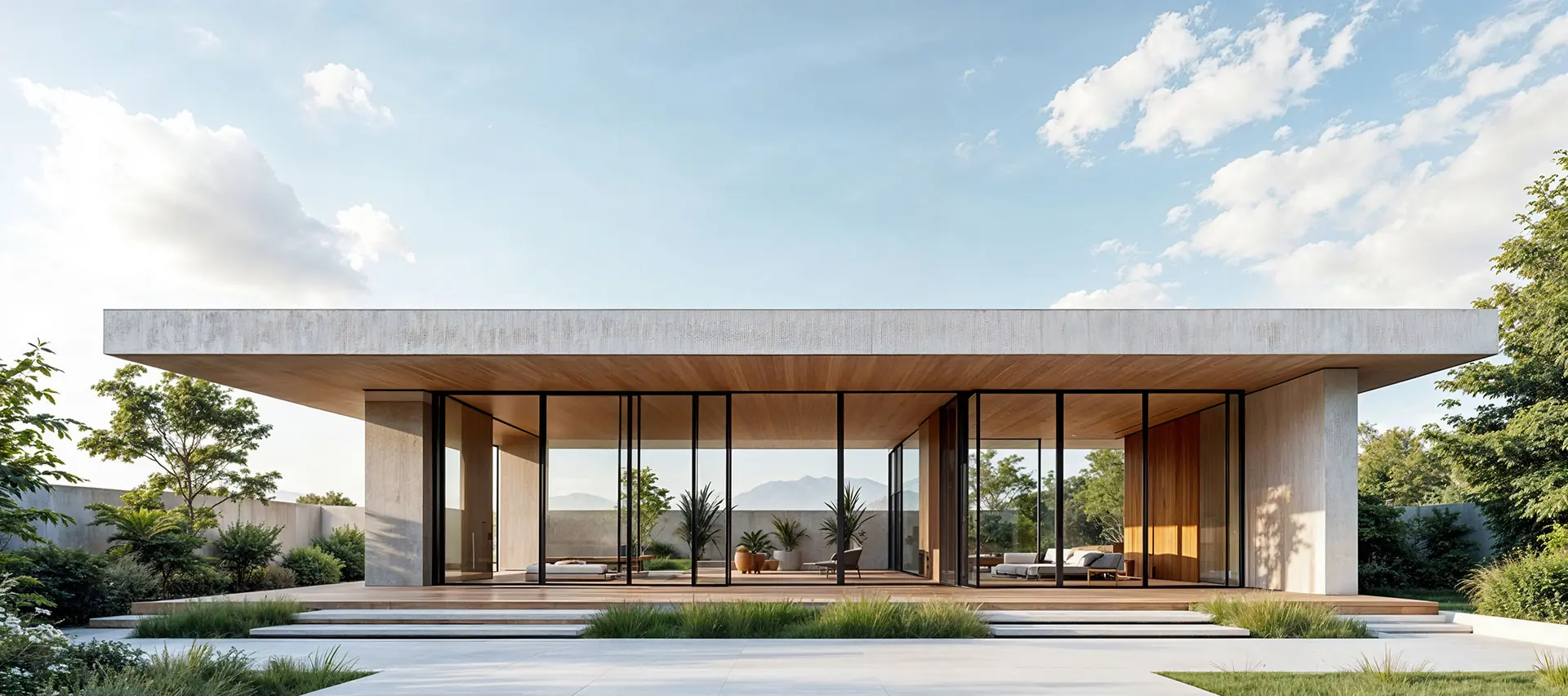
When you decide to build on your lot, you're creating a sanctuary designed around your life and your specific piece of land. This isn't like buying a pre-built house. You get complete control over every detail, from the foundation engineered for Oklahoma's expansive soils to the countertops in your kitchen.
With over 15 years of experience building custom homes in areas like Edmond and Deer Creek, we at ACET Custom Homes know the real work begins long before the first shovel hits the dirt. It starts with your vision and a partnership built on trust.
What This Guide Will Cover
This guide is your roadmap to make smart decisions and dodge costly surprises. We'll walk you through the essential stages of building a custom home, giving you the practical knowledge you need to start with confidence.
You’ll get a clear understanding of:
- Land Preparation: How to evaluate your lot for soil stability, drainage, and utility access.
- Home Design: The process of turning your ideas into a functional blueprint that works for your property.
- Financing: What you need to know about construction loans and creating a realistic budget.
- The Construction Timeline: A breakdown of each stage, from pouring the foundation to your final walkthrough.
Building on your own land is the ultimate expression of homeownership. It’s about more than just a floor plan; it's about integrating your home with the unique character of your Oklahoma property.
By understanding these core pieces, you can turn the dream of a custom home into an achievable reality. The process takes careful planning, but the reward is a home that is uncompromisingly yours.
Step 1: Evaluate Your Oklahoma Land
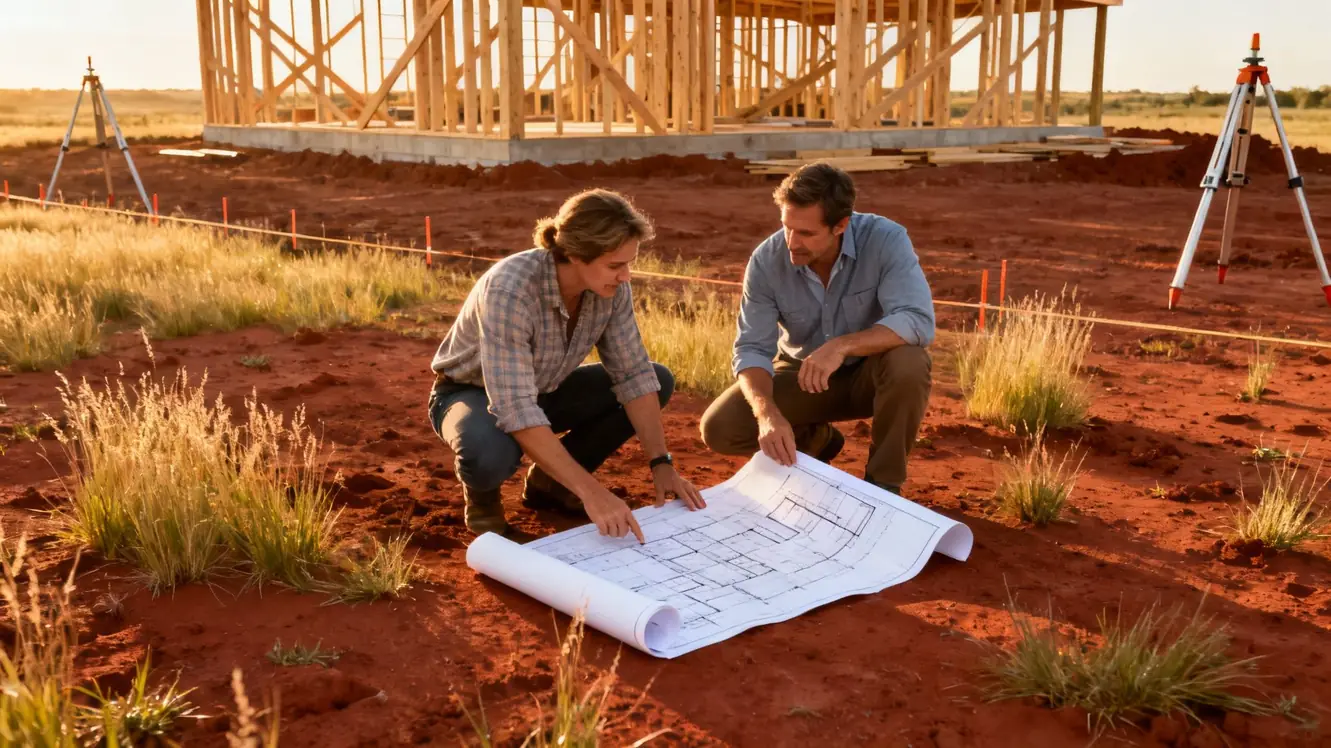
The success of your custom home starts with the ground it's built on. Before you think about floor plans or finishes, evaluating your lot is the single most critical step in the build on your lot process. A thorough assessment prevents six-figure surprises and ensures your home has a solid future.
With over 15 years of experience, we’ve seen how seemingly small land issues can snowball into major construction hurdles. Problems with soil, drainage, and utility access can wreak havoc on your budget if not caught early.
Oklahoma’s Unique Soil and Topography
Oklahoma's infamous red clay soil swells dramatically when wet and shrinks when dry, a cycle that can destroy a foundation if not engineered correctly. That's why the first action item is to order a geotechnical report (a soil test). This is not optional; it's essential.
This report tells us exactly what we're working with. For a recent project in Edmond, the soil report revealed a high shrink-swell potential. That data immediately told us to engineer a post-tension slab foundation, which uses reinforced steel cables to resist soil movement. Without that data, a standard foundation could have failed within a few years.
Builder Insight: Never buy a lot without making the purchase contingent on a satisfactory soil test. The cost—usually a few thousand dollars—is a tiny investment compared to the potential $30,000+ cost of foundation repair down the road.
Zoning, Setbacks, and Legal Requirements
Next, you must confirm the land is legally buildable for the home you envision. Every city and county in Oklahoma has its own rulebook.
Actionable Checklist for Legal Due Diligence:
- Check Zoning Ordinances: Is the property zoned for single-family residential use? Call the local planning department to confirm.
- Verify Property Setbacks: These rules define how far your home must be from property lines and roads. They directly impact your home's size and placement.
- Review Covenants and Restrictions: If your lot is in an HOA, there are likely rules about home size, exterior materials, fences, and more. Get a copy of the covenants before you buy.
You can review local building codes on the Oklahoma Uniform Building Code Commission website. Understanding these constraints upfront is a non-negotiable part of the process.
Utilities and Site Access
Finally, create a solid plan for essential services. On a raw piece of land, nothing is guaranteed. You must verify access to water, electricity, natural gas, and sewer.
For a client building in a rural area near Deer Creek, tapping into the city sewer wasn't an option. This meant we had to budget for a septic system, which required a percolation test to ensure the soil could support it. That added several weeks and a significant cost to the site prep budget. Never assume utilities are available; verify everything. ACET Custom Homes helps clients navigate these hurdles as part of our build on your land services.
Oklahoma Lot Evaluation Checklist
Use this table as your field guide when walking a potential property.
Taking time to work through these areas will save you an incredible amount of stress, time, and money.
Step 2: Design a Home That Fits Your Land and Lifestyle
This is where your vision feels real. Once your land is ready, the next step is turning your ideas into a blueprint. When you build on your lot, the design process is a balance between your family’s lifestyle, your property's unique features, and your budget.
At ACET Custom Homes, we’ve guided hundreds of Oklahoma families through this phase. The best designs are those where the home feels like it belongs on the land, taking full advantage of views, light, and natural slope.
Stock Plan vs. Fully Custom Design
One of the first decisions is whether to start with an existing floor plan or create something new. The right choice comes down to your priorities and budget.
Builder Insight: We often find a hybrid approach offers the best of both worlds. Starting with one of our engineered floor plans and then customizing it gives you creative freedom with the cost-efficiency of a stock plan.
The Power of the Design-Build Approach
Juggling architects, designers, and builders gets complicated fast. A design-build model simplifies everything by bringing all experts under one roof. With a single point of contact, communication is seamless, and every design decision is instantly checked for buildability and budget impact.
This integrated process avoids the common scenario where an architect draws a stunning home that costs far more than you planned to build. Learn more about the differences in our guide to design-build vs. architect-led projects.
Designing for the Oklahoma Lifestyle
A great design is about features that make life better in Oklahoma. With our 15+ years of local experience, we help clients build practical elements into their blueprints.
Real Oklahoma Design Examples:
- Integrated Safe Rooms: For a family in Edmond, we built their storm shelter into the master closet for immediate access without taking up floor space.
- Energy-Efficient Features: We recommend strategic window placement with low-E coatings to deflect the harsh summer sun. This simple choice can cut cooling costs by up to 15%.
- Durable Roofing: We now specify Class 4 impact-resistant shingles as a standard on our builds to stand up to Oklahoma’s hailstorms.
This focus on smart, practical design isn't just a local trend. According to the National Association of Home Builders, a growing number of homebuyers are prioritizing resilience and energy efficiency in their custom builds.
Step 3: Secure Your Financing and Budget
Financing a custom home isn't like buying a resale house. To build on your lot, you'll need a construction loan—a specialized financial tool that covers building costs. It's paid out in stages, and understanding how it works is key to managing your project's finances without stress.
At ACET Custom Homes, we walk our clients through this process to ensure the numbers on paper match the vision. A solid, realistic budget is the bedrock of a successful custom home build.
Anatomy of a Home Budget: Hard vs. Soft Costs
A custom home budget boils down to two categories: hard costs and soft costs.
- Hard Costs (70-80% of budget): This covers everything that physically goes into your house—lumber, concrete, roofing, and the skilled labor to put it all together.
- Soft Costs (20-30% of budget): These are the expenses that support construction, including architectural fees, land surveys, soil tests, city permits, and lender fees.
For a recent project in the OKC area, hard costs accounted for roughly 75% of the total budget. The other 25% went to design work, permits, and loan fees. That's a solid ratio to keep in mind.
How a Construction Loan Works: The Draw Schedule
A construction loan isn't a lump sum; funds are released in stages called draws. Your lender pays your builder at specific, pre-agreed-upon milestones.
A typical Oklahoma draw schedule looks like this:
- First Draw: Released after closing on the lot and pouring the foundation.
- Second Draw: Paid out when the house is framed and the roof is on.
- Third Draw: Disbursed after HVAC, plumbing, and electrical are installed and drywall is up.
- Final Draws: Released as finish work is completed, leading up to the final inspection.
Builder Insight: The single best tool for keeping your project on track is a contingency fund of 10-15% of your total budget. This isn't "extra" money. It's a dedicated fund for unknowns, like hitting rock when digging the foundation or deciding to upgrade your countertops.
Finding the Right Lender
Not every bank understands construction financing. Partner with a lender who knows the build on your lot process inside and out. Look for a "construction-to-permanent" loan, which starts as your construction loan and automatically converts into a standard mortgage once the house is finished. This saves you the time, money, and hassle of two separate closings.
We can connect you with trusted local lenders who have a proven track record. For a deeper look at the entire process, check out our guide on how to build a custom home.
Step 4: The Home Building Process from Foundation to Finishes
Once the site work is done and your plans are approved, your dream home starts rising from the ground. The construction phase is a carefully choreographed sequence of events, and understanding the steps helps you manage expectations.
With our 15+ years of experience building on lots across Oklahoma, we’ve perfected this process. While every custom project is unique, the core milestones are consistent.
Step-by-Step Construction Breakdown
Building a custom home is broken into distinct phases. The average custom home build in Oklahoma takes 9 to 14 months, but this can shift based on complexity, weather, and material availability.
- Foundation and Slab (2-4 Weeks): This is the base of your home. After grading, we set forms, lay plumbing, and place steel reinforcement. In Oklahoma, the geotechnical report dictates whether we need a standard slab or a more robust post-tension slab to handle our expansive soils.
- Framing (3-6 Weeks): The skeleton of your home goes up fast. Walls, floors, and the roof structure are assembled. For the first time, you can walk through the rooms and feel the space.
- Mechanical Rough-Ins (2-4 Weeks): Before drywall, we install the "guts" of the home: plumbing pipes, electrical wiring, and HVAC ductwork.
- Drywall and Exterior Finishes (4-6 Weeks): The home gets its skin. Drywall is hung, taped, and textured, defining your interior rooms. Simultaneously, exterior work like brick, stone, and roofing is completed.
- Interior Finishes (6-10 Weeks): This is where your design choices come to life. Cabinets, trim, flooring, and countertops are installed, followed by painters who give your home its personality.
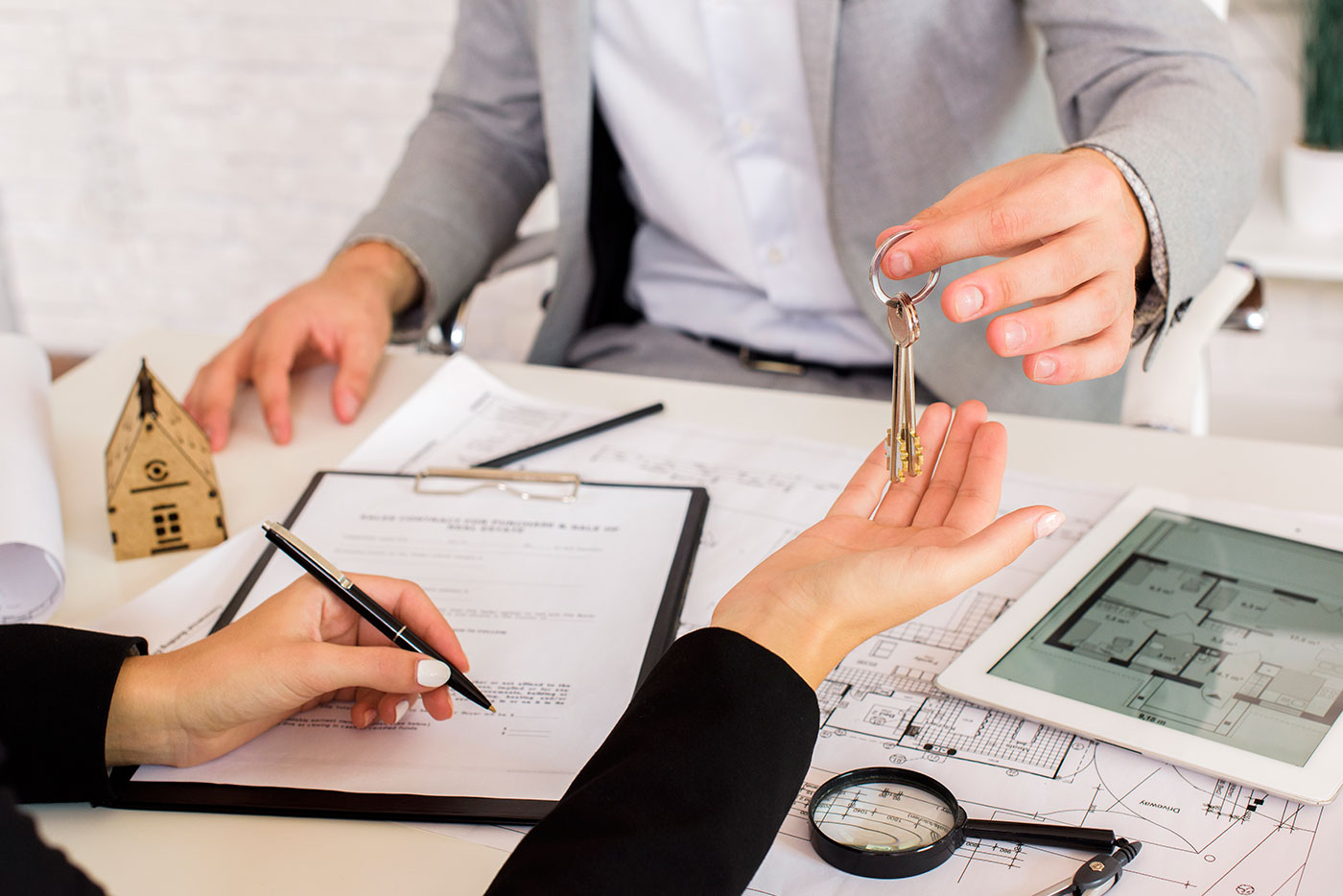
- Finals and Walkthrough (2-3 Weeks): In the home stretch, light fixtures, plumbing fixtures, and appliances are installed. Our team does a detailed quality control inspection, leading to your final walkthrough where we hand over the keys.
The financing process runs parallel with construction, with funds disbursed at key milestones.
Making Site Visits Productive
Visiting your home during construction is exciting, but let's make sure those visits are productive and safe. Always schedule visits with your project manager. Construction sites have inherent dangers.
Builder Insight: The best time for a site visit is right after a major phase is completed, like framing or the mechanical rough-in. This allows you to ask targeted questions and confirm details before they get covered up by drywall. Bring your plans and a notebook.
Clear communication is what makes a build go smoothly. For more on what to expect, check out our comprehensive guide on how to build a custom home in Oklahoma.
Frequently Asked Questions About Building On Your Lot
Taking on a build on your lot project is a huge step, and it comes with many questions. With our 15+ years of experience building custom homes across Oklahoma, we’ve heard just about everything. Here are clear answers to the questions we get most often.
How long does it take to build a house in Oklahoma?
In Oklahoma, you should plan for a custom home build to take 9 to 14 months from breaking ground to getting your keys. This timeline doesn't include the pre-construction phase (design, permitting, financing), which can take another 3 to 6 months. Factors like home complexity, weather delays, and material availability can extend the schedule.
What are the hidden costs of building on your own land?
"Hidden costs" are usually unplanned expenses from an incomplete lot evaluation. The biggest surprises come from site preparation.
- Utility Hookups: Running electricity, water, and gas lines from the main road to your homesite can be a serious expense in rural areas.
- Septic Systems: If you can't connect to a city sewer, a septic system can easily add $10,000 to $25,000 or more to your site prep budget.
- Unexpected Site Work: Hitting rock during excavation or discovering major drainage issues can lead to extra grading, driving up labor and equipment costs.
What is the first step to building a house on your own land?
The very first step is to get your financing pre-approved for a construction loan. This tells you exactly what you can afford for the land and the home combined. Once you have a clear budget, you can begin the critical process of evaluating a lot to ensure it’s suitable for building.
What kind of warranty should I expect for my new home?
Any reputable builder will provide a comprehensive warranty. At ACET Custom Homes, we offer a "2-10" warranty structure, the gold standard for quality assurance.
- One-Year Workmanship Warranty: Covers defects in materials and labor like flooring, paint, and trim.
- Two-Year Systems Warranty: Protects against defects in major systems like electrical, plumbing, and HVAC.
- Ten-Year Structural Warranty: This covers major structural components like the foundation and framing, giving you long-term peace of mind.
Builder Insight: A solid warranty isn't just a piece of paper; it’s a builder's vote of confidence in their own work. Never partner with a builder who won't offer a clear, written warranty that protects your investment.
Ready to design your custom home? Schedule a free consultation with ACET Custom Homes today.https://acethomes.com
Book Your Project Consultation