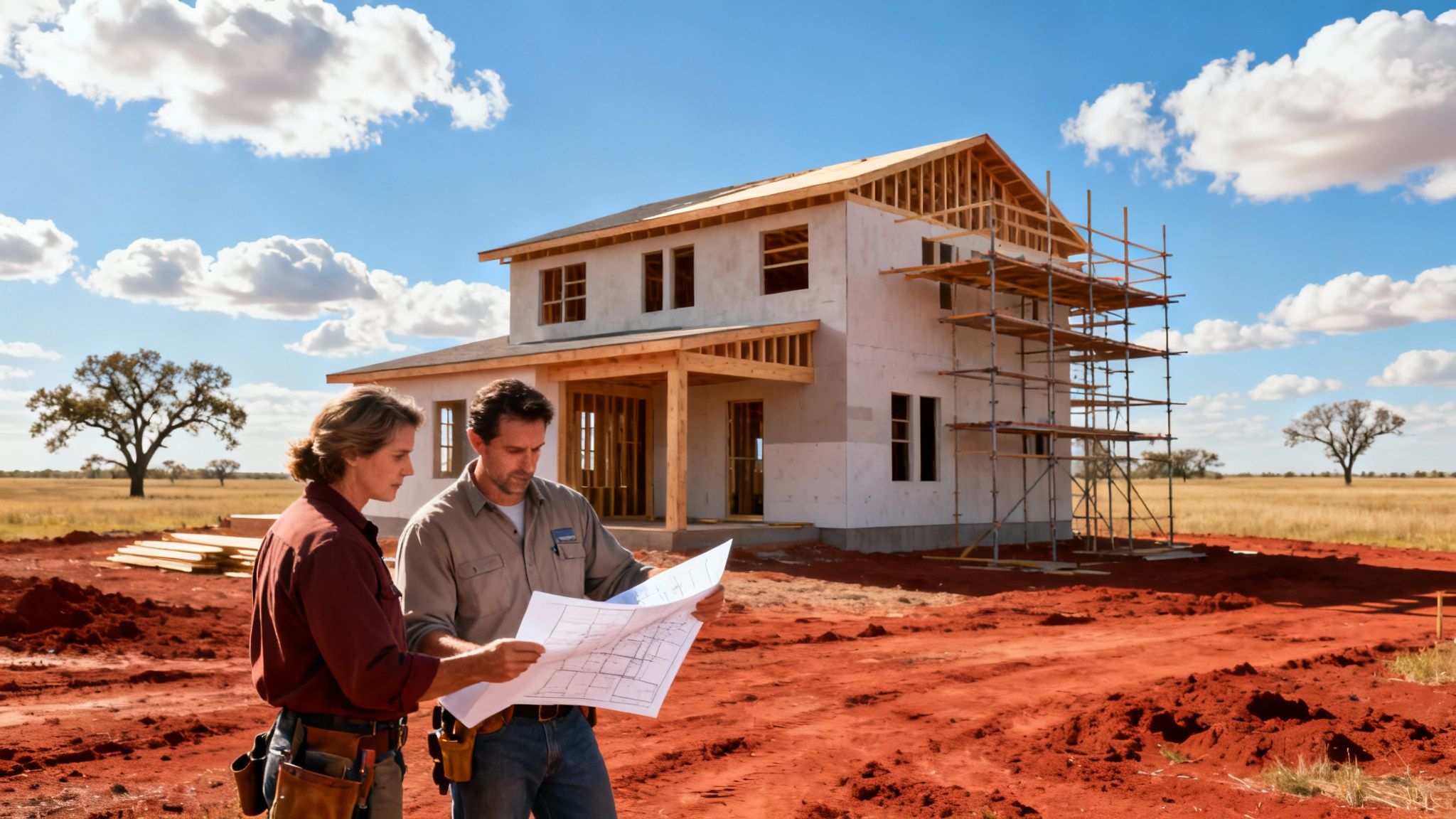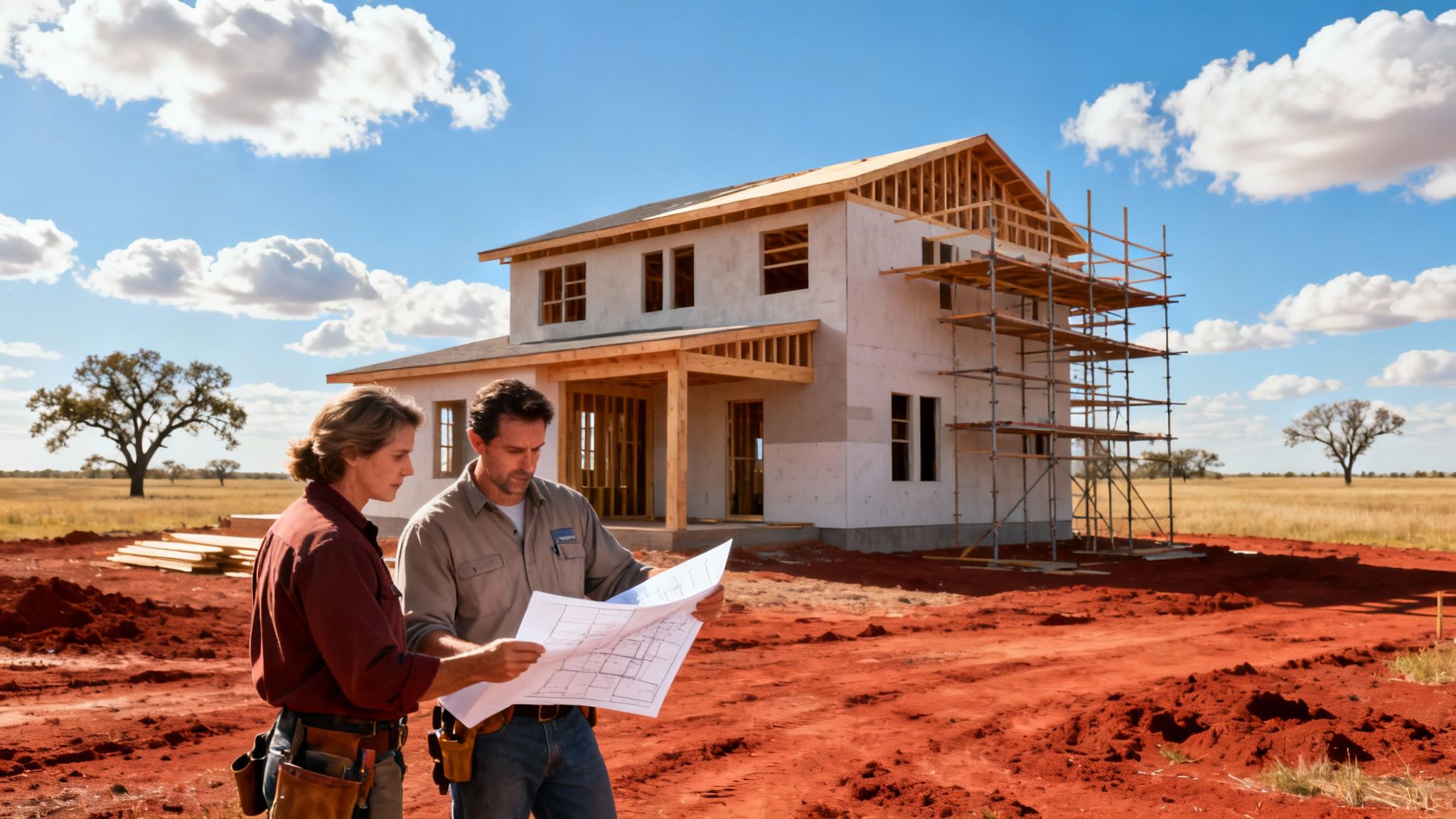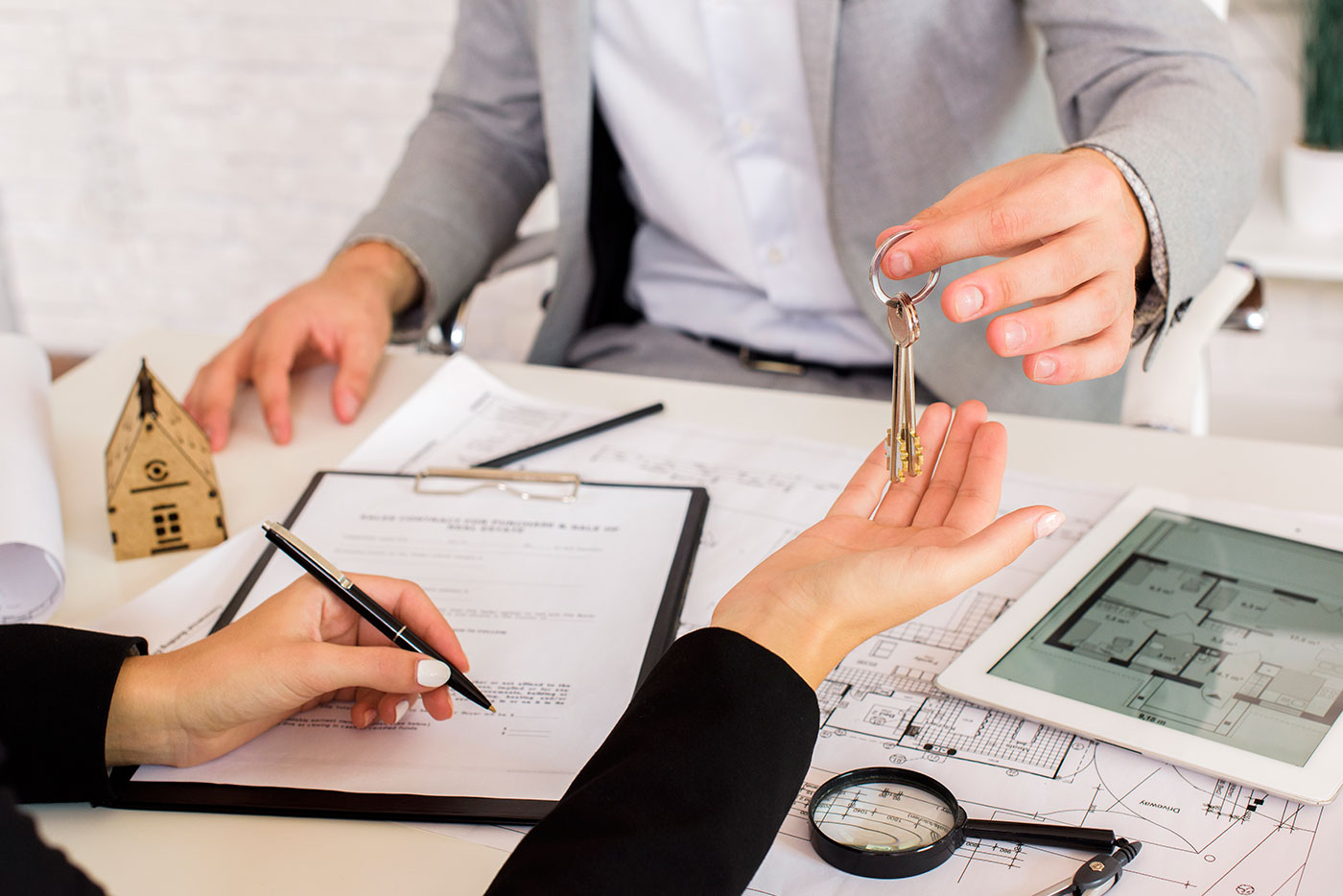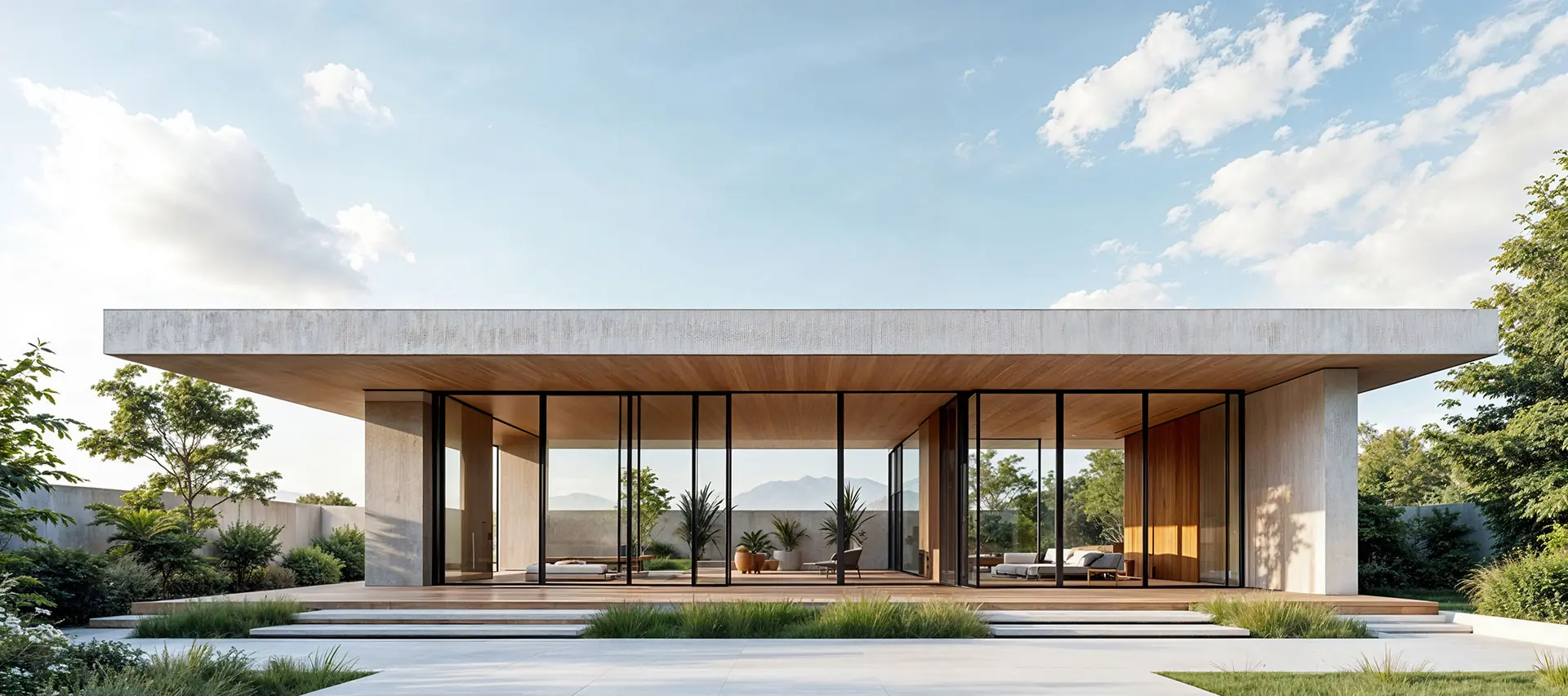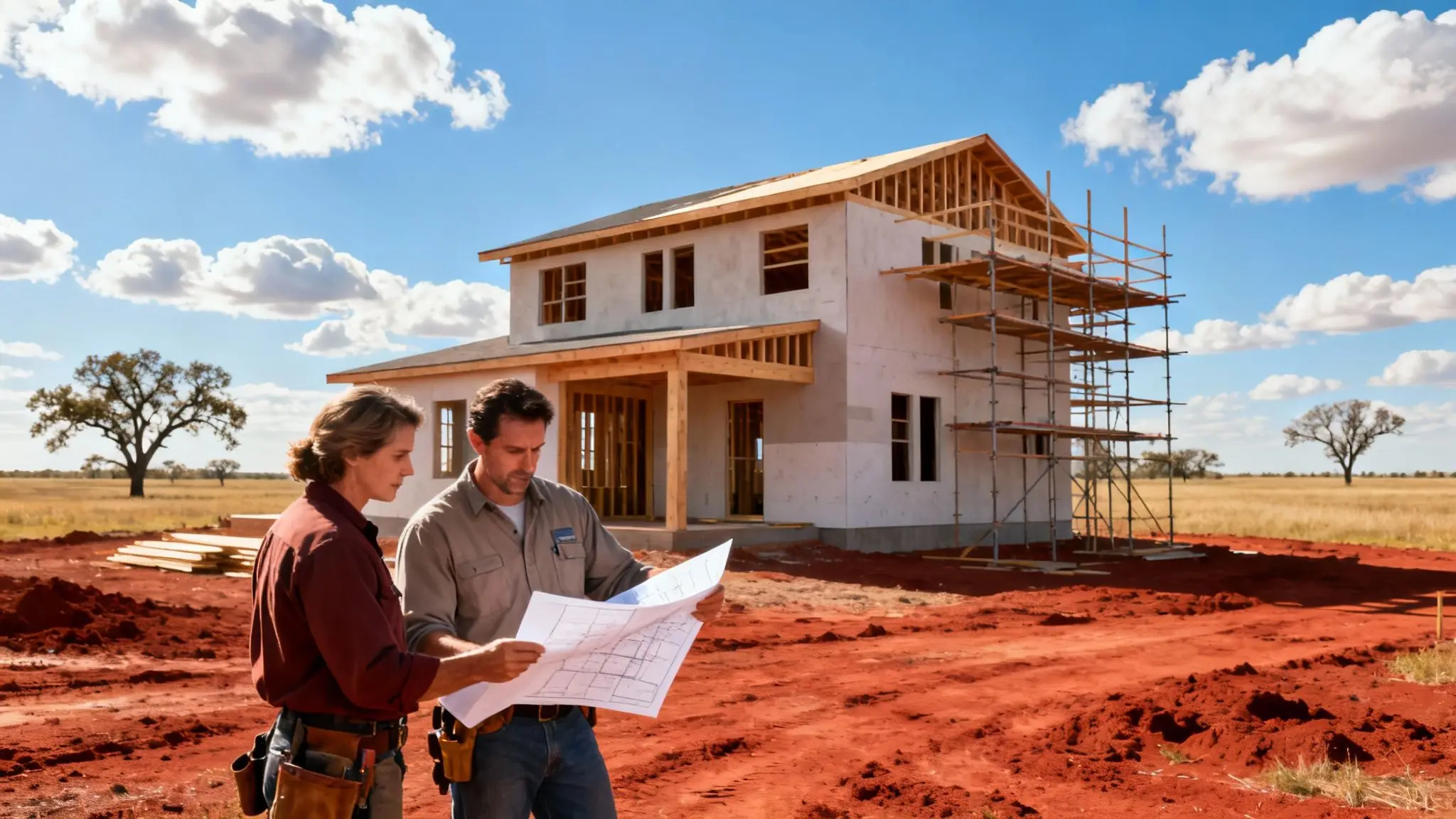
You’ve found the perfect piece of land in Oklahoma. The view is incredible, the location is just right, and you can already picture your future there. But what if the dream of building a house on your own land turns into a nightmare of hidden costs and shocking surprises before you even break ground?
The raw truth is that your entire custom home build hinges on what you do before the first shovel hits the dirt. This initial land evaluation is the most critical investment you'll make, uncovering potential roadblocks and preventing budget-busting disasters. With over 15 years of experience building Oklahoma custom homes, ACET Custom Homes is here to guide you through the process, ensuring your dream becomes a reality, not a regret.
Evaluating Your Land Before You Build
Building on your own land is an incredible journey, but it starts with a healthy dose of reality and careful planning. Think of this stage as a home inspection, but for the very earth your house will stand on for decades to come.

This isn't just about admiring the scenery. It's a deep dive into the physical and legal realities of your property. Let's walk through what that actually looks like.
Understanding Oklahoma's Unique Soil and Topography
Anyone who’s lived in Oklahoma knows our soil has a personality of its own. We’re famous for our highly expansive clay soil, which swells up like a sponge when it’s wet and shrinks dramatically when it dries. That constant movement is the enemy of a standard concrete foundation, often leading to serious cracks and structural issues down the road.
This is why a geotechnical soil test is absolutely non-negotiable. It's not an optional step. This analysis tells your builder everything they need to know about the soil’s composition and its ability to support your home. In most cases around here, the results will point directly to a post-tension slab foundation specifically engineered to handle that shifting soil—a common requirement in communities from Edmond to Shawnee.
Topography and drainage are just as important. A professional land survey does more than just mark your property lines; it maps out the elevation changes and identifies any easements. In areas that get heavy rainfall, like Moore and Norman, your site plan must have a solid strategy for water runoff. If water pools around your foundation, you're not just looking at a soggy lawn—you're risking the long-term integrity of your entire home.
Verifying Utility Access and Local Regulations
Never assume that hooking up utilities will be simple or cheap, especially if you're building on rural acreage outside of city limits near towns like Macomb or Elmore City. Confirming utility access early on can save you from a major financial shock.
Here's a quick checklist of what you need to track down:
- Water Source: Can you connect to a municipal water line? If not, you'll need to budget for drilling a well, which can cost thousands and isn't guaranteed to hit a good water source.
- Wastewater: Is there a city sewer connection available? If you're too far out, you'll need a septic system. That requires a percolation (perc) test to see if the soil can even support one, plus the significant cost of installation.
- Power and Gas: Find out where the nearest power lines are. The cost to run electricity from the road back to your homesite can be surprisingly high.
- Internet Access: In today's connected world, this is a non-negotiable utility. Research which providers service your specific address—don't just assume you'll have options.
Beyond the physical connections, you have to dig into the legal side. Check with the local city or county planning department about zoning ordinances and restrictive covenants. Zoning dictates what kind of structure you can build, while covenants (often found in platted subdivisions) can have strict rules about everything from your home's square footage to the type of mailbox you can have.
Tackling these details upfront is essential. For a deeper look into this part of the process, you can explore our other resources on what the build-on-your-lot process truly involves.
Oklahoma Land Preparation Checklist
Walking through this checklist might seem tedious, but it's the foundation of a smooth, successful build. Getting these answers now ensures that the land you love is truly ready for the home you've always wanted.
Mastering Your Budget and Securing a Construction Loan
A solid financial plan is the absolute bedrock of your custom home project. It’s easy to get swept up in the dream of building on your own land, but the reality is that the budget goes far, far beyond just lumber and labor. Getting a handle on the true cost from the start is the key to a successful build and avoids the kind of financial stress that can derail a project before it even breaks ground.
That emotional high you get from designing your dream home can evaporate pretty quickly if you’re blindsided by unexpected expenses. Think of your budget as the project’s roadmap—it guides every decision and keeps your vision grounded in what’s achievable.
Uncovering the Hidden Costs in Oklahoma
When you’re budgeting for a custom home here in Oklahoma, you have to look past the obvious construction costs. I’ve seen it time and again: first-time builders get surprised by expenses that are unique to building on private land, especially with our diverse local landscape.
These are the costs that often get missed:
- Impact Fees: In fast-growing suburbs like Deer Creek or Edmond, cities might charge these fees to help pay for new infrastructure like roads and schools that your new home will use.
- Utility Hook-Up Charges: The price to connect to city water, sewer, and electricity can vary wildly. Extending lines out to a rural property near Chickasha can cost thousands more than a simple hook-up in an established OKC neighborhood.
- Landscaping Allowances: Oklahoma's climate demands smart landscaping for proper drainage and curb appeal. Your budget needs to account for sod, irrigation, and hardy plants that can handle our hot summers and wild storms.
- Permit and Surveying Fees: These administrative costs are non-negotiable. They can add up and cover everything from the initial building permit to septic system approvals if you're outside city limits.
Construction Loans vs. Traditional Mortgages
Financing a custom build works differently than buying an existing house. Instead of a typical mortgage, you'll need what's called a construction loan. This is a short-term loan that covers the costs of building the home, and the funds are paid out in stages, or "draws," as construction milestones are hit.
Lenders will want to see a detailed project plan, a solid credit history, and a good-sized down payment—often 20-25% of the total project cost. Once the home is finished and you have a Certificate of Occupancy, the construction loan is usually converted into a permanent, traditional mortgage. Understanding this two-step process is crucial.
Builder Insight: "We've seen clients secure better loan terms by presenting lenders with a comprehensive build package from a reputable builder. Lenders want to see a clear plan, a realistic budget, and a team with a proven track record. It reduces their risk and builds confidence in the project's success."
For a much deeper dive, check out our guide on navigating Oklahoma construction loans. It really breaks down what local lenders are looking for and how to get your application ready.
Creating a Realistic Budget with a Contingency Fund
Your budget needs to be a living document, not just a guess you make at the beginning. Start by listing every single cost you can think of, from the foundation pour to the final light fixtures. An experienced design-build firm like ours can give you a detailed cost breakdown based on your specific plans and material choices.
Here’s a quick look at how a few choices can really impact your bottom line:
- Foundation: A standard slab in an area with stable soil might be less expensive than a post-tension slab, which is often required to handle the expansive clay soil we see around Norman.
- Windows: Basic double-pane windows are cheaper upfront, but high-performance, energy-efficient windows can save you a ton on your utility bills over the life of the home.
- Exterior Finishes: Simple siding is a cost-effective choice, while a full brick or stone exterior represents a much larger investment.
Here's the most important piece of advice I can give you: always include a contingency fund. We strongly recommend setting aside 10-15% of your total construction cost. This is your safety net for unforeseen issues, sudden material price spikes, or those design changes you decide to make along the way. This fund isn't for upgrades; it's what ensures your project stays on track without causing a financial panic.
Designing a Home That Fits Your Land and Lifestyle
This is where the real fun begins—turning all those ideas you’ve been saving into an actual blueprint. The design phase is where we marry your family’s lifestyle, your personal taste, and the unique personality of your Oklahoma property. Getting this right means creating a home that doesn’t just look good, but feels right and works perfectly with its surroundings.
The path you take to design your home will have a huge impact on the final cost, the overall timeline, and honestly, your stress levels. You can go the old-school route of hiring an architect first and then shopping the plans around to builders, or you can choose a much more integrated approach.
The Power of the Design-Build Approach
For years, the standard process was to hire an architect, get your plans, and then find a builder. The problem? This often creates a major disconnect. I've seen it happen too many times: a homeowner falls in love with a design, only to discover it’s 20% or 30% over what they can actually afford to build. That leads to a lot of frustration and expensive redrawing.
A design-build firm like ours flips that model on its head. We bring the design and construction teams together under one roof from the very beginning.
This means your architect, designer, and builder are all at the same table, working toward the same goal, with a clear understanding of your budget. It cuts out the communication breakdowns and the blame game that can plague the traditional process. After 15+ years in this business, we know this collaborative method consistently delivers a smoother experience and better results for Oklahoma homeowners.
Builder Insight: "The biggest win with design-build is cost control. When the builder is in the room during design, we can give instant feedback on material costs and structural decisions. This completely avoids that gut-wrenching 'sticker shock' and ensures the home you design is the home you can afford to build."
Translating Your Vision into a Functional Floor Plan
Your land has a much bigger say in your home’s design than most people think. A wide-open, flat lot in Guthrie presents totally different opportunities than a sloping, wooded acre near Shawnee or a narrower lot in the OKC metro.
A good builder starts by walking your property and analyzing its specific character:
- Orientation: How can we position the house to welcome the morning sun into the kitchen but shield the living room from that blistering Oklahoma afternoon heat? This is a huge factor for energy bills.
- Topography: Is there a natural slope? That could be the perfect spot for a walk-out basement. A split-level design might flow beautifully with the land's contours instead of us having to fight against them with expensive earthwork.
- Views: Where are the money shots? We want to make sure the great room, kitchen, and primary bedroom are all designed to frame those best views.
Once we’ve sited the house, we move inside. This is all about how you live day-to-day. Do you love to host big family gatherings? An open-concept kitchen flowing into the living area is probably a must. Do you work from home? A quiet office tucked away from the main hustle and bustle will be essential.
To see how these concepts take shape, you can explore our detailed overview of custom home design services in Oklahoma.
Key Design Decisions and Material Selections
With a floor plan that feels right, we start layering in the style and materials that bring your vision to life. Are you drawn to the warmth of a Modern Farmhouse, the clean lines of a Contemporary home, or the classic appeal of a Traditional style? This single choice will guide everything from the roofline to the type of windows we use.
At the same time, we'll start making decisions on finishes and fixtures. These selections have a massive impact on both your budget and the home's final personality—from exterior choices like brick and stone to all the interior details like flooring, cabinets, countertops, and light fixtures.
Comparing Design-Build vs Traditional Build
From the first rough sketches to the final, engineered blueprints, the entire design review should feel like a series of collaborative workshops. The goal is for you to feel completely confident and excited about the plan before a single shovel of dirt is moved.
What to Expect During the Construction Phase
This is it. After all the planning, budgeting, and late-night design sessions, this is the moment everything has been leading up to—watching your home physically take shape. The construction phase is where blueprints finally become reality. For anyone building a house on your own land, knowing the sequence of events is the key to enjoying the process with confidence.
With over 15+ years of building custom homes all over Oklahoma, I can tell you this is easily the most rewarding part of the journey. Let’s walk through the major milestones you can expect to see, from the day we break ground to the moment the walls go up.

It all comes down to a cohesive vision, a solid plan, and expert execution.
Step 1: Site Work and Foundation
Before a single bag of concrete arrives, your lot has to be perfectly prepared. This involves clearing the land, grading the homesite to ensure water drains away from the house (a huge deal in the OKC metro), and digging trenches for the foundation and utility lines. Getting this right from the start prevents countless headaches later on.
Builder Insight: We almost exclusively use post-tension slab foundations. These are engineered with a grid of steel cables that we tighten after the concrete cures. This creates an incredibly strong yet flexible slab that can handle the soil movement common from Guthrie to Norman, preventing those costly structural cracks you see in older homes.
After the foundation is poured and has had time to cure properly, it gets its first major inspection to make sure it meets every local building code.
Step 2: Framing and Drying-In
This is where your home really starts to look like a home. The framing crew gets to work, erecting the entire skeleton of the house—walls, floor systems, and roof trusses. It’s a surprisingly fast and dramatic process.
Once the frame is up, we cover it in sheathing and apply a protective house wrap. This combination creates a critical moisture barrier, which is absolutely vital for preventing wood rot and mold. Next up is the "drying-in" phase. This is where we seal the home from the elements by installing roofing, windows, and exterior doors.
Step 3: Mechanical Rough-Ins
With the house dried-in, it’s a flurry of activity inside as subcontractors install the systems that make a house a home. This is the "rough-in" stage, where all the behind-the-walls work happens before we close anything up.
Three key trades work together here:
- HVAC: Technicians run all the ductwork for your heating and air conditioning.
- Plumbing: Plumbers install all the water supply lines, sewer drains, and vents.
- Electrical: Electricians run wires to every outlet, switch, and light fixture location.
This phase concludes with a series of crucial inspections. A city inspector must sign off on the framing, plumbing, and electrical work before any insulation or drywall can be installed.
Step 4: Insulation and Drywall
After the rough-in systems pass inspection, we fill the walls with insulation. Good insulation is the key to an energy-efficient home, especially with our blazing hot summers and chilly winters.
Finally, the drywall goes up. It gets hung, taped, and textured, and this is another one of those transformative moments. All of a sudden, those open-framed areas become clearly defined rooms, setting the stage for the finishes that will turn this house into your home.
The Final Walk-Through and Moving In
You've made it. After months of decisions, dust, and anticipation, you're standing at the finish line. This is the moment when the construction site you've been visiting finally starts to feel like your home. But before you get the keys and start unpacking boxes, there are a few critical steps to ensure every last detail is just right.

From the final walk-through with your builder to understanding what happens after you move in, let's cover what you need to know to close out your project with confidence.
Navigating the Final Walk-Through
The final walk-through is your last, best chance to inspect every inch of the house with your project manager before you officially take possession. This isn't just a casual tour; it's a detailed, hands-on examination of every room, every system, and every finish. I always tell my clients to come prepared—bring a notepad, your phone for photos, and a roll of blue painter's tape.
Your job here is to help create the "punch list." This is simply a running list of anything that needs a final touch-up or correction.
Here's a practical checklist to get you started:
- Surfaces & Finishes: Scan the walls, ceilings, and trim for scuffs or paint drips.
- Flooring: Look for any gaps in the wood, chips in the tile, or issues with the carpet.
- Doors & Windows: Open and close every single door and window. Do they glide smoothly?
- Fixtures & Appliances: Turn on every faucet, flush every toilet, and test every single appliance.
- Electrical: Flip every light switch and use an outlet tester to check every plug.
When you find something, put a small piece of blue tape next to it. It makes it incredibly easy for our crews to find and fix everything on the list, ensuring your home is delivered to the high standard you expect.
Securing Your Certificate of Occupancy
Before you can legally move in, the local building authority has to give its final blessing. This comes in the form of a Certificate of Occupancy (CO). Whether your land is in Oklahoma City, Edmond, or out in a rural area like Macomb, this document is non-negotiable.
The CO is only issued after the home passes all final inspections. It’s the official verification that your home is safe, habitable, and built to code. Your builder handles scheduling all these inspections and securing the final certificate for you.
Builder Insight: "The Certificate of Occupancy is the ultimate green light. It’s the final regulatory step that confirms we've built a safe, code-compliant home. We handle the entire process, so our clients can focus on the excitement of planning their move-in day."
Understanding Your New Home Warranty
A good builder doesn't just hand over the keys and walk away. We stand behind our work. Your new custom home should come with a solid warranty that gives you peace of mind long after the moving trucks have left.
Most builder warranties are structured in tiers:
- One-Year Workmanship: Covers materials and labor for things like drywall, paint, flooring, and most fixtures.
- Two-Year Systems: This covers the big-ticket mechanicals like plumbing, electrical, and your HVAC systems.
- Ten-Year Structural: This is the big one. It provides coverage for the core structural components of your home, like the foundation and framing.
Make sure you get a copy of the warranty documents and read through them. For more homeowner resources on this, the National Association of Home Builders (NAHB) is a great place to look.
Settling In: The First Few Months
The first few months in a new home are an adjustment period—for you and for the house itself. It's totally normal for a new construction home to go through a bit of a settling-in process.
Here are a few quick tips for a smooth transition:
- Change Your Air Filters: Swap out your HVAC filters after the first 30 days. Construction creates a lot of fine dust.
- Water the Landscaping: Especially in an Oklahoma summer, new sod and plants need consistent watering to establish a healthy root system.
- Keep an Eye on Things: You might notice tiny drywall cracks or a nail pop as the lumber settles. This is normal! These minor cosmetic issues are exactly what your one-year warranty is for.
Frequently Asked Questions (FAQ)
What are the first steps to building a house on your own land?
The very first step is land evaluation. Before anything else, you must conduct a geotechnical soil test, get a professional land survey, verify access to utilities (water, sewer, electric), and check local zoning ordinances and restrictive covenants.
How much does it cost to build a house if you own the land in Oklahoma?
The cost varies widely based on size, style, and finishes. On average, you can expect to pay anywhere from $150 to $250+ per square foot. This figure doesn't include land preparation costs like clearing, grading, or utility hookups, which can add tens of thousands to the total.
How long does it take to build a house in Oklahoma?
A typical custom home build in Oklahoma takes between 10 to 14 months from breaking ground to move-in day. This timeline can be affected by factors like weather, permitting delays, and the complexity of your design.
What is the cheapest way to build a house on land?
The most cost-effective approach is typically to choose a simple, rectangular floor plan (avoiding complex rooflines and angles), use standard-sized windows and doors, and select builder-grade finishes. A design-build firm can help you value-engineer your project from the start to keep costs down.
Ready to design your custom home? Schedule a free consultation with ACET Custom Homes today.
Consultation Today!
.png)