.png)
Building Your Dream: A Guide to Choosing an Oklahoma Rural Custom Home Builder
Building your own home in Oklahoma can be a really rewarding experience. You get to make it exactly how you want it, which is pretty cool. But, let's be honest, it's also a huge project. There's a lot to think about, from finding the right spot to picking out every little detail. This guide is here to help break down the process of finding an Oklahoma rural custom home builder and getting your dream house built without too many headaches.
Key Takeaways
- When looking for an Oklahoma rural custom home builder, check their past work, especially on rural properties. Ask for references and see if they have experience with the kind of land you're considering.
- Picking the right land is a big deal. Think about where it is, if it has utilities, and what the ground is like. Builders can help you figure out if a piece of land is good for building.
- Your home's design should work for your life and Oklahoma's weather. Think about things like keeping cool in the summer and warm in the winter, and how to handle storms.
- Budgeting is key. Get clear estimates from builders and always have some extra money set aside for unexpected costs. Contracts should be clear about everything.
- Building takes time and involves many steps. Good communication with your builder and design team is important. Making smart choices about materials will help your home last.
Finding Your Ideal Oklahoma Rural Custom Home Builder
Understanding the Role of a Custom Home Builder
Building a custom home, especially out in the country, is a pretty big deal. It's not like buying a house that's already built; you're creating something totally new, from the ground up. A custom home builder is your main person for this whole adventure. They're the ones who take your ideas, sketch them out into actual plans, and then make them happen. They manage the whole construction process, from getting permits to hiring subcontractors and making sure everything is built right. It's a lot more involved than just picking out paint colors. You're trusting them with a huge chunk of your savings and your dream. So, picking the right one is super important.
Navigating Oklahoma's Unique Building Landscape
Oklahoma has its own quirks when it comes to building. You've got the weather to think about – those big storms can really do a number on a house if it's not built right. Plus, building on rural land can bring its own set of headaches. Things like figuring out where to get water and power, dealing with soil that might shift, or even just getting to the building site can be tricky. A builder who knows Oklahoma, and specifically rural building, will have seen these things before. They'll know how to plan for them so you don't end up with a surprise problem down the road. It’s not just about building a house; it’s about building a house that’s going to last in this specific place.
Evaluating Builder Experience and Reputation
So, how do you actually pick a builder? It’s not always easy, especially since there aren't a ton of rules for who can call themselves a builder. You really need to do your homework. Ask potential builders about their experience, especially with rural custom homes. Have they built on land like yours before? Can they show you examples of homes they've built? Talking to past clients is a good idea too. See if they were happy with the process and the final house. A builder with a solid reputation and a history of happy customers is usually a safe bet. Don't be afraid to ask a lot of questions; it's your dream home, after all.
Here’s a quick checklist to help you evaluate:
- Years in Business: How long have they been building custom homes in Oklahoma?
- Rural Project Portfolio: Do they have a good number of rural custom homes they can show you?
- Client References: Can they provide contact information for recent clients?
- Licensing and Insurance: Are they properly licensed and insured for work in Oklahoma?
- Communication Style: Do they communicate clearly and promptly?
Building a custom home is a significant investment, and choosing the right builder is the first major step toward a successful project. Look for someone who understands the unique challenges and opportunities of building in rural Oklahoma and who has a proven track record of quality work and client satisfaction.
Selecting the Perfect Land for Your Rural Build
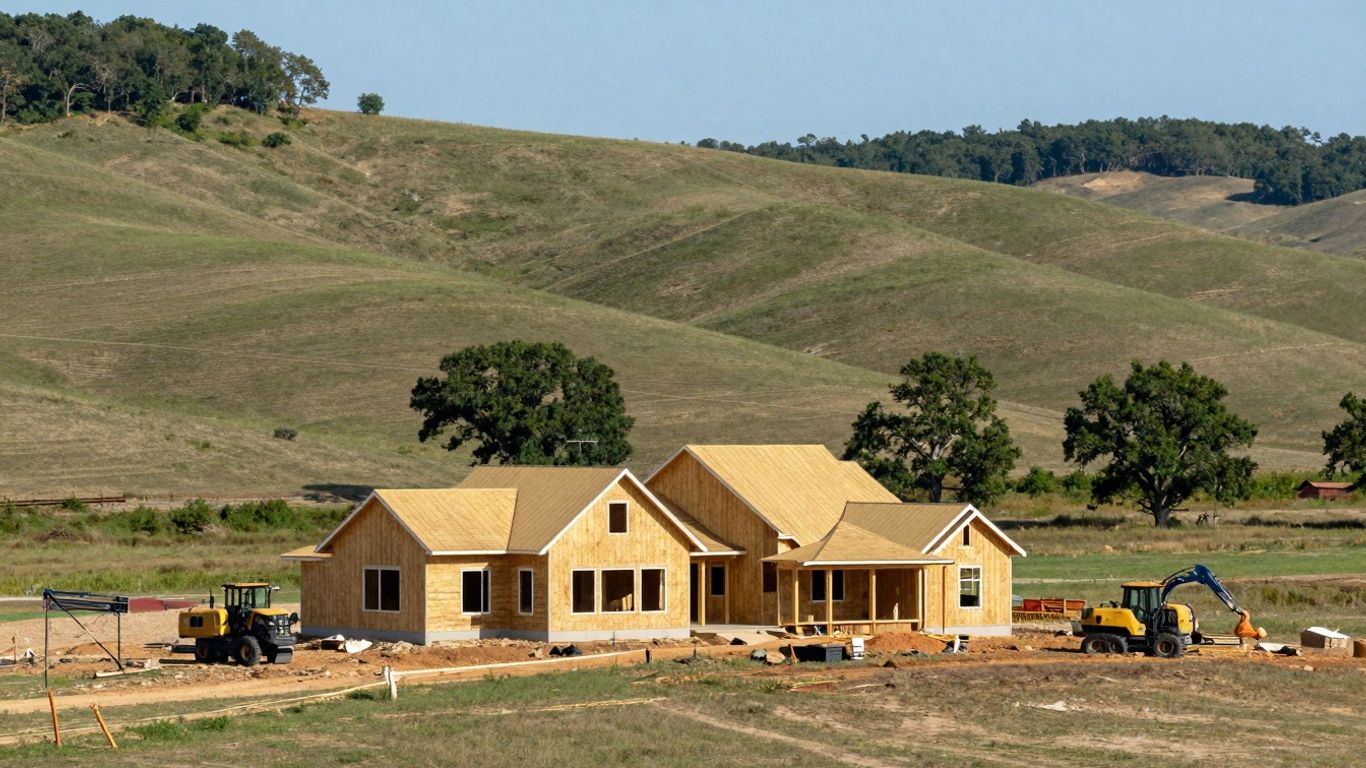
Finding the right piece of land is like finding the foundation for your dream. It's not just about the size or the price; it's about how the land fits your vision and what it will take to build on it. For a custom home in Oklahoma, especially out in the country, this step is super important.
Rural Subdivision Versus Raw Land Considerations
When you're looking at land for your custom home, you'll likely run into two main types: a rural subdivision or raw land. Each has its own set of pros and cons, and what's best really depends on what you're after.
- Rural Subdivision: Think of this as a neighborhood out in the country. The developer has usually handled a lot of the groundwork. Utilities might already be run to the property line, and there's a set address. This can make things simpler because much of the initial land prep is done for you. However, you might have to deal with a homeowner's association (HOA) with rules about what you can build and potentially pay regular dues for upkeep of common areas. You still get acreage and some privacy, but it's not quite the same as being completely on your own.
- Raw Land: This is the blank canvas. You get the most privacy and the most control over what you build and where. Nobody's going to tell you what color to paint your fence. The flip side is that you're responsible for everything. You'll need to figure out utilities, get surveys, and deal with any potential issues like access or drainage yourself. It's true freedom, but it comes with more upfront work and planning.
Assessing Land for Utilities and Zoning
Before you fall in love with a spot, you've got to check the practical stuff. Getting utilities to your property is a big one, especially in rural areas. You need to know if you can get electricity, water, and a way to handle waste. This might involve digging wells, installing septic systems, or running power lines, all of which have costs and permit requirements.
Zoning is also key. Even in rural areas, there might be rules about what you can build, how close to property lines, or if you can have certain types of structures. You don't want to buy land only to find out you can't build the home you've been dreaming of.
Understanding Soil and Drainage Challenges
This is where things can get tricky, and it's often overlooked. The ground beneath your future home matters a lot.
- Soil Conditions: Some soil types are harder to build on than others. You might run into solid rock that's expensive to excavate, or maybe the soil is too soft and needs special foundations. Old land use, like burning trees, can leave behind layers of organic soil that need to be removed before you can build, adding significant cost.
- Drainage: You need to make sure water flows away from where your house will be. If the lot is the natural drainage path for the surrounding area, you could end up with serious water problems, especially during heavy Oklahoma rains. Sometimes, a lot that looks like a great deal might be in a floodplain, requiring you to build the house much higher than the surrounding land, which is a huge expense.
It's easy to get excited about a beautiful piece of land, but remember that the 'dog' lots, the ones nobody wants, are often that way for a reason. A good builder will help you spot these potential problems before you buy, saving you a lot of headaches and money down the road. Don't be afraid to ask for a thorough site evaluation.
Designing a Home Tailored to Oklahoma Living
Balancing Aesthetic Style with Functional Needs
When you're dreaming up your custom home, it's easy to get caught up in the latest looks. But here in Oklahoma, we know that a pretty house needs to work for real life, especially with our weather. Think about styles that fit the landscape – maybe something with a bit of a ranch feel, or a craftsman vibe. These often work well here. The key is to make sure the outside beauty matches a floor plan that actually fits how you live. Do you need a spot for a home office? What about a place for guests to stay? If you're thinking about staying in your home for a long time, consider things like wider doorways and fewer stairs. Open layouts are popular now, connecting the kitchen, dining, and living areas, which is great for folks who like to have people over. And don't forget practical spaces like mudrooms – they're lifesavers for keeping dirt and clutter out of the main living areas, especially after a muddy day or a storm.
Incorporating Weather-Resistant Design Elements
Oklahoma's weather is no joke, and your home needs to be ready for it. This means thinking beyond just looks and focusing on how your home will stand up to wind, rain, and sometimes even hail. When you're picking out windows, for example, look for ones that are good at blocking heat in the summer. This will help keep your cooling bills down. Good insulation is also a big deal, not just for keeping the cold out in the winter but also for keeping the heat out in the summer. We also need to consider storms. Many people in Oklahoma choose to include a safe room or build with stronger walls. It’s a smart move that gives you peace of mind. A good builder will know how to integrate these safety features without making your home look like a bunker. It’s all about smart design that works with our climate.
Creating a Floor Plan for Your Lifestyle
Your floor plan is basically the roadmap for how you'll use your home every day. It's where you get to decide where the kitchen goes, how big the bedrooms are, and if you need that extra den. Think about your family now and in the future. Do you need a dedicated space for hobbies? How much storage will you really need? A well-thought-out floor plan can make a huge difference in how comfortable and functional your home feels.
Here are some things to consider when planning your layout:
- Flow and Connection: How do the main living areas connect? Do you want an open concept, or more separate rooms?
- Private vs. Public Spaces: Where will bedrooms be located in relation to the main living areas? How will guests access bathrooms?
- Utility and Storage: Where will your laundry room be? Do you need a large pantry or extra closets? Don't forget about garage space and potential outdoor storage.
- Future Needs: Think about aging in place, potential family growth, or the need for a home office or gym.
Designing a home is a big project, and it's easy to get lost in the details. Remember that the best floor plans are the ones that make your daily life easier and more enjoyable. Don't be afraid to ask your builder or designer for creative solutions to fit your specific needs and the unique aspects of your Oklahoma property.
Budgeting and Contracting with Your Builder
Alright, let's talk about the nitty-gritty: money and paperwork. This is where your dream home starts to get real, and honestly, it can feel a little daunting. But don't sweat it; we'll break it down.
Estimating Costs for Rural Custom Homes
Figuring out the cost of a custom home in Oklahoma isn't like picking a pre-made kit. It's a whole different ballgame. You've got the obvious stuff, like the actual building materials and the labor to put them up. But then there are all the other bits and pieces that add up. Think about getting utilities to your rural spot – that can be a big one. Plus, you'll need to factor in things like permits, architectural drawings, and maybe even soil testing if your land is a bit tricky. A good builder will walk you through this, giving you a detailed breakdown. Remember, the average cost to build a new home can be quite a bit higher than buying an existing one, so having a realistic budget from the start is key. It's not just about the construction cost itself; a comprehensive budget needs to account for every single expense. This includes land acquisition, site preparation, professional fees for designers, and all the necessary permits and fees. Building in a contingency fund of 10-15% is probably the smartest move you'll make. This buffer is your best friend when unexpected things pop up, and trust me, they often do.
Understanding Construction Contracts
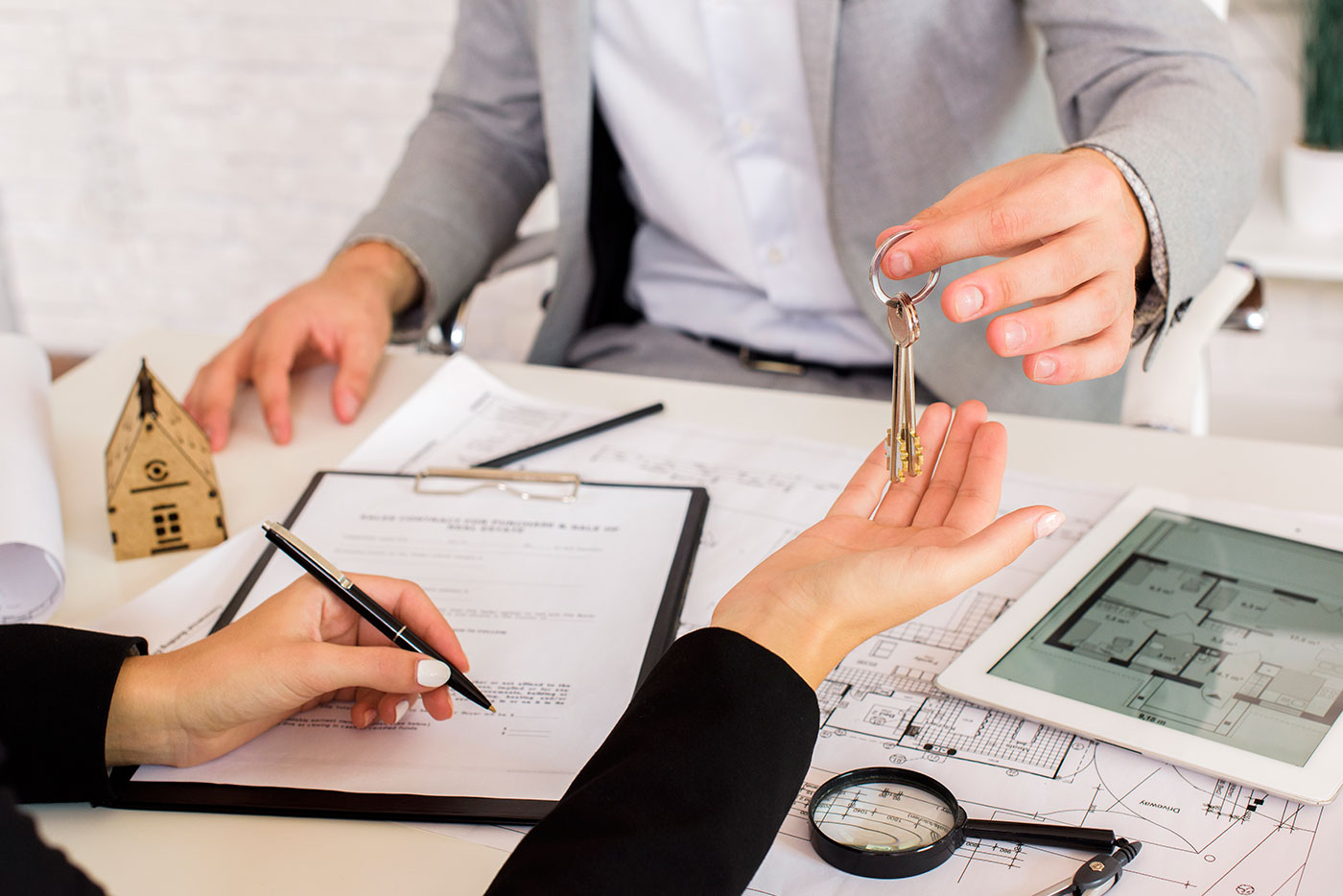
This is where you and your builder put everything in writing. Your contract is your roadmap and your protection. It needs to be super clear about what's included, what's not, the timeline for construction, and how payments will be made. Don't be afraid to ask questions or have a lawyer look it over. A solid contract should cover:
- Scope of Work: Exactly what the builder will do, from foundation to finishes.
- Materials and Specifications: What kind of windows, doors, flooring, etc., will be used.
- Payment Schedule: When and how much you'll pay the builder at different stages.
- Change Order Process: How changes to the plan will be handled and priced.
- Warranties: What guarantees the builder offers on their work.
- Dispute Resolution: What happens if you and the builder disagree.
A well-defined contract prevents misunderstandings down the road. It ensures both parties are on the same page regarding expectations, costs, and timelines, making the building journey smoother for everyone involved.
Preparing for Unexpected Expenses
Even with the best planning, things can happen. Oklahoma weather can be unpredictable, causing delays that add to costs. Maybe you decide you really want that upgraded countertop after all, or perhaps an unforeseen issue arises with the land. That's why that contingency fund we talked about is so important. It's not just a suggestion; it's a necessity for a stress-free build. Having this financial cushion means you can handle these curveballs without derailing your entire project or compromising on quality. It's better to have it and not need it, than to need it and not have it when you're trying to build your dream home. You'll also want to look into construction loans if you're financing the build, as they work differently than a standard mortgage.
The Custom Home Building Process in Oklahoma
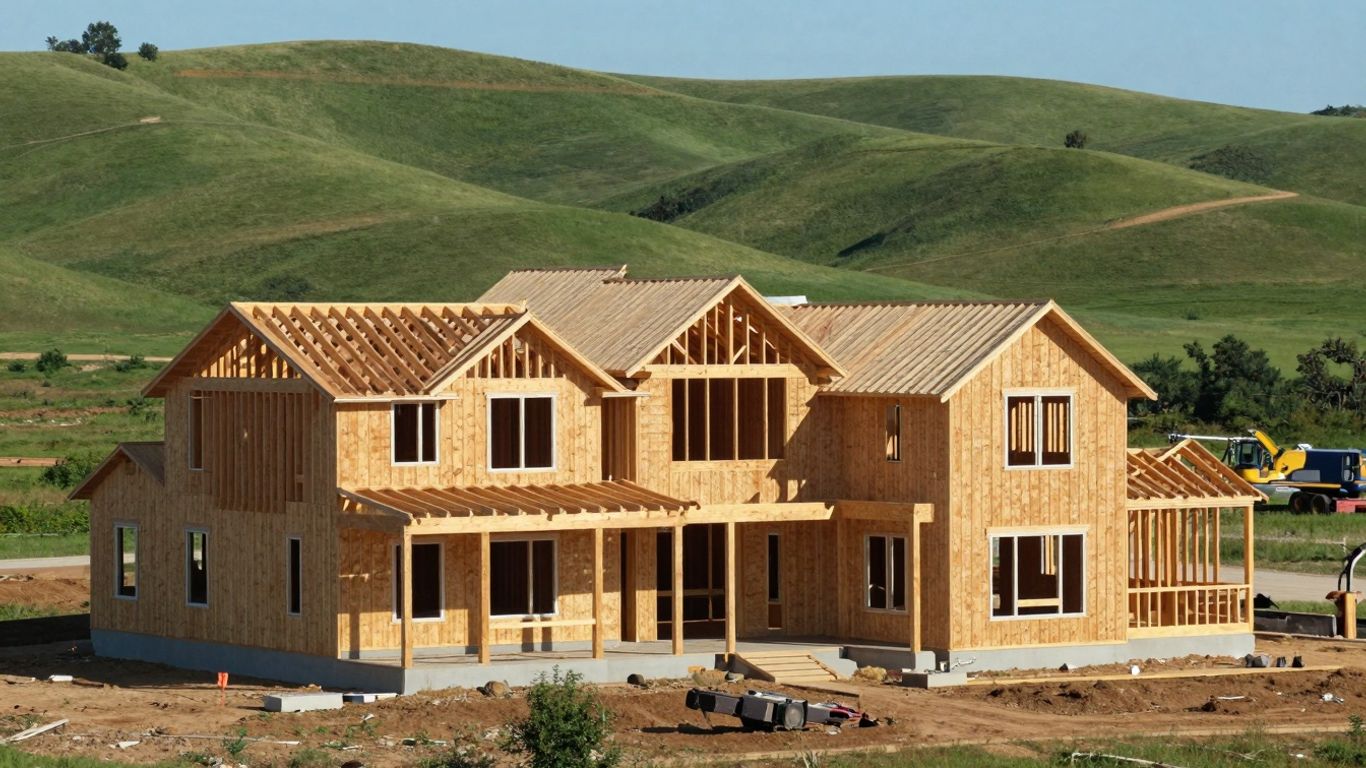
Building your dream home is a big undertaking, and understanding the steps involved can make the whole experience feel a lot less daunting. It’s a journey, and like any good trip, knowing the route helps. Here in Oklahoma, we have our own unique considerations, from the weather to the land itself, so a structured approach is key.
Key Stages from Design to Final Walkthrough
So, what does this process actually look like? It’s not just about showing up and watching walls go up. It starts long before that and finishes even after you’ve moved in. Think of it as a series of milestones, each important in its own right.
- Design & Planning: This is where your vision starts to take shape on paper. You’ll work with architects or designers to create blueprints that fit your lifestyle and Oklahoma’s climate. This includes picking out your floor plan, deciding on room sizes, and thinking about how you’ll use the space.
- Permitting & Financing: Once the plans are solid, you’ll need to get permits from local authorities. This is also the stage where you finalize your construction loan or financing. Getting a detailed quote from your builder is super important here to make sure you know the full cost of your project.
- Site Preparation: Before any building starts, the land needs to be prepped. This might involve clearing trees, grading the land, and making sure utilities are ready to go. A builder experienced with Oklahoma land can help assess any potential issues like soil stability or drainage.
- Foundation: This is the base of your home. Depending on the land and design, this could be a slab, basement, or crawl space. It’s a critical step for the home’s long-term stability.
- Framing: The skeleton of your house goes up here – walls, floors, and roof structure. This is when you can really start to see the shape of your home emerge.
- Exterior Work: Windows, doors, siding, and roofing are installed. This makes the house weather-tight.
- Interior Rough-In: Plumbing, electrical wiring, and HVAC systems are installed within the walls before they’re closed up.
- Insulation & Drywall: Once the rough-ins are done, insulation is added for energy efficiency, followed by drywall to create the interior walls and ceilings.
- Interior Finishes: This is the fun part – flooring, paint, cabinets, countertops, fixtures, and trim are installed.
- Exterior Finishes & Landscaping: Driveways, walkways, and any landscaping are completed.
- Final Inspections & Walkthrough: The home is inspected by officials, and then you and your builder do a final walkthrough to catch any minor issues. This is where you create a punch list of anything that needs a final touch.
- Closing & Move-In: Once everything is approved, you get the keys to your new home!
Building a custom home is a significant investment, and each stage requires careful attention. Working with a builder who communicates clearly and keeps you informed throughout the process makes all the difference. They're your partner in turning your vision into a reality, ensuring that the final product is not just a house, but a home built to last.
Collaborating Effectively with Your Design Team
Your design team, whether it's an architect, designer, or your builder themselves, is there to translate your ideas into a workable plan. Don't be shy about sharing your thoughts, even if they seem a little out there at first. Bring pictures, Pinterest boards, or even just a feeling you want to achieve. The more information you give them, the better they can create a design that truly reflects you. Remember, this is your home, so your input is what matters most. They’ll guide you on what’s practical, what fits the budget, and what works best for Oklahoma living, like incorporating features that can help with our sometimes-extreme weather.
Making Informed Material Selections
Choosing materials might seem straightforward, but it has a big impact on your home's look, feel, durability, and cost. Think about flooring: hardwood is beautiful but can be pricey, while luxury vinyl plank offers a similar look at a lower cost and is very durable. For countertops, granite is popular, but quartz is also a great option, known for being low-maintenance. When selecting paint colors, consider how natural light hits the room at different times of the day. Your builder can provide samples and advice, helping you weigh the pros and cons of different options. It’s about finding that sweet spot between aesthetics, performance, and your budget. Making smart choices here means a home that not only looks great but also stands up to daily life and the elements.
Ensuring Quality and Durability in Your Build
Building a custom home in Oklahoma means creating a structure that can stand up to our unique weather and landscape. It’s not just about making it look good; it’s about making it last. This means paying close attention to the details from the ground up.
The Importance of Site Evaluation
Before any construction starts, a thorough look at your chosen land is a must. This isn't just about how pretty the view is. We need to check:
- Soil Conditions: Is the soil stable enough to support a house? Some Oklahoma soils can expand and contract a lot with moisture changes, which can cause foundation problems down the road.
- Drainage: Where will rainwater go? You don't want water pooling around your foundation. Proper grading and drainage systems are key to preventing moisture issues.
- Underground Obstacles: Are there old wells, septic systems, or buried debris that could complicate digging and foundation work?
Building for Oklahoma's Climate and Soil Conditions
Oklahoma throws a lot at us – from scorching summers and high winds to occasional heavy rains and freezing temperatures. Your home needs to be built with this in mind.
- Foundation: A robust foundation is non-negotiable. Depending on soil tests, this might mean deeper footings or specific concrete mixes.
- Roofing and Siding: Choose materials that can handle strong winds and hail. Metal roofs are a popular choice here for their durability.
- Windows and Doors: Energy-efficient windows and well-sealed doors help keep the inside comfortable and lower your energy bills, especially during those extreme temperature swings.
- Insulation: Proper insulation in walls, attics, and crawl spaces is vital for comfort and energy savings year-round.
Choosing a Builder with Proven Rural Expertise
When you're building out in the country, you need a builder who knows rural building inside and out. They understand the challenges of getting utilities to a remote site, dealing with local zoning laws that might differ from city rules, and sourcing materials effectively.
A builder with a solid track record in rural Oklahoma custom homes will have the experience to anticipate problems and find practical solutions. Look for builders who can show you examples of homes they’ve built in similar settings and talk to their past clients. Ask them specifically about how they handle site preparation, utility hookups, and any unique challenges related to building away from established neighborhoods. Their knowledge can save you a lot of headaches and money.
Building a custom home is a big project, and it's easy to get caught up in the excitement of design and finishes. However, focusing on the foundational aspects – the land, the climate considerations, and the builder's specific experience – will set your project up for success. It’s about creating a home that’s not just beautiful, but also strong and comfortable for years to come.
Your Oklahoma Dream Home Awaits
So, you've thought about building your own place out here in Oklahoma. It's a big step, for sure, and there's a lot to figure out, from picking the right spot of land to finding someone you can trust to build it. But honestly, having a home that's exactly what you want, built to handle our crazy weather and fit your family's life? That's pretty special. Don't let the details scare you off. With a good builder by your side, someone who knows this land and how to build right, your dream home isn't just a far-off idea. It's something you can actually make happen. Take that first step, do your homework, and get ready to build something amazing.
Frequently Asked Questions
What's the biggest difference between building in a rural neighborhood and on raw land?
Building in a rural neighborhood might mean you have some rules to follow, like in a regular subdivision, but you might also have easier access to things like roads and maybe even some utilities. Building on raw land means you have total freedom to do what you want, but you'll likely have to figure out everything yourself, like bringing in water, electricity, and dealing with any tricky land issues.
Why is choosing the right land so important for a custom home in Oklahoma?
Oklahoma has unique challenges like clay soil that can shift and cause foundation problems, plus unpredictable weather, including tornadoes. Picking the right spot means checking for things like good drainage, safe zones away from floods, and soil that can support a house. A good builder knows how to check all this before you start.
Do I need to be an expert designer to build a custom home?
Not at all! You don't need to know all the building terms or be an artist. You just need to know what you like and how you want to live in your home. Builders and designers are pros who will take your ideas, even simple ones like 'I want a big kitchen,' and turn them into a real plan that works.
How do I figure out how much my custom home will cost?
The cost can change a lot depending on the size of your home, where you build it, and all the special things you want. It's a good idea to talk to a few custom home builders to get an idea. Always set aside extra money for unexpected things that might pop up during building, especially with Oklahoma's weather.
What should I look for in a contract with my builder?
Your contract is super important! It needs to clearly spell out all the costs, when things will be finished, and what happens if plans change. Make sure your builder is licensed and insured, too. A good contract protects you and makes sure everyone is on the same page.
How does Oklahoma's weather affect building a custom home?
Oklahoma's weather is a big deal! You need to build a home that can handle hot summers, cold winters, and strong storms. This means thinking about things like good insulation, windows that keep heat out, strong foundations that can handle clay soil, and maybe even a safe room for tornadoes. Your builder will know how to make your home tough and comfortable.
Book Your Project Consultation