.png)
Building Your Dream Home: House Plans Under 300k to Build in 2025
Thinking about building your dream home in 2025 but worried about the cost? It’s totally doable. You can absolutely get a great house without breaking the bank. We're talking about house plans under 300k to build, and it’s not as hard as you might think. It’s all about smart choices, knowing what you want, and finding the right plan. Let's figure out how to make that dream home a reality within your budget.
Key Takeaways
- Affordable house plans focus on smart design, like simple shapes and grouped plumbing, to cut down on building costs.
- The cost to build varies a lot based on where you are and what materials you pick.
- Smaller homes usually mean big savings on land, materials, and labor.
- Contemporary mid-range plans, often between 2,000 and 3,000 square feet, offer a good mix of modern style and practical living for around $200k to $300k.
- Finding a good builder and getting your finances sorted early are super important steps for a smooth building process.
Understanding House Plans Under 300k to Build
So, you're looking to build a new home in 2025 and have a budget of around $300,000. That's a pretty common goal these days, and it's definitely achievable, but it means you need to be smart about your choices right from the start. It's not just about picking a pretty design; it's about understanding what goes into the final price tag.
Defining Affordable Home Plans
What exactly counts as an "affordable" house plan? Honestly, it's a bit subjective. What one person considers affordable, another might not. Generally, though, we're talking about homes that are designed with efficiency in mind. This often means smaller square footage, typically between 800 and 2,000 square feet. The goal is to pack a lot of function into a smaller footprint, cutting down on costs for land, materials, and labor. Think smart layouts that make the most of every inch, rather than sprawling, unnecessary spaces. The key is maximizing utility without excessive waste.
Factors Influencing Build Costs
Lots of things can change the final price of your home. Where you build is a big one. Building in a major city is usually way more expensive than building in a smaller town. The materials you pick also make a huge difference – fancy countertops cost more than basic ones, right? And then there's labor. Skilled workers cost money, and in some areas, finding them can be tough, driving up prices. Even the complexity of the design plays a role; more corners, more angles, more decorative bits usually mean more cost.
Here's a quick look at some general cost ranges, keeping in mind these are just estimates:
Remember, these figures don't include the cost of the land itself, which can be a significant expense depending on your chosen location. Always get local quotes for the most accurate picture.
The Sweet Spot: Contemporary Mid-Range Plans
For many folks looking to build under $300k, the "contemporary mid-range" category is where it's at. These plans usually fall between 2,000 and 3,000 square feet. They offer a nice balance – you get modern design elements, updated layouts, and enough space for a growing family, but without the super-premium price tag. You can often find great options in this range that allow for some personalization, like choosing your finishes or adding a few desired features. It's about getting that stylish, functional home you want without breaking the bank. You might find some really interesting affordable prefabricated homes in this bracket.
Designing Your Dream Home Within Budget
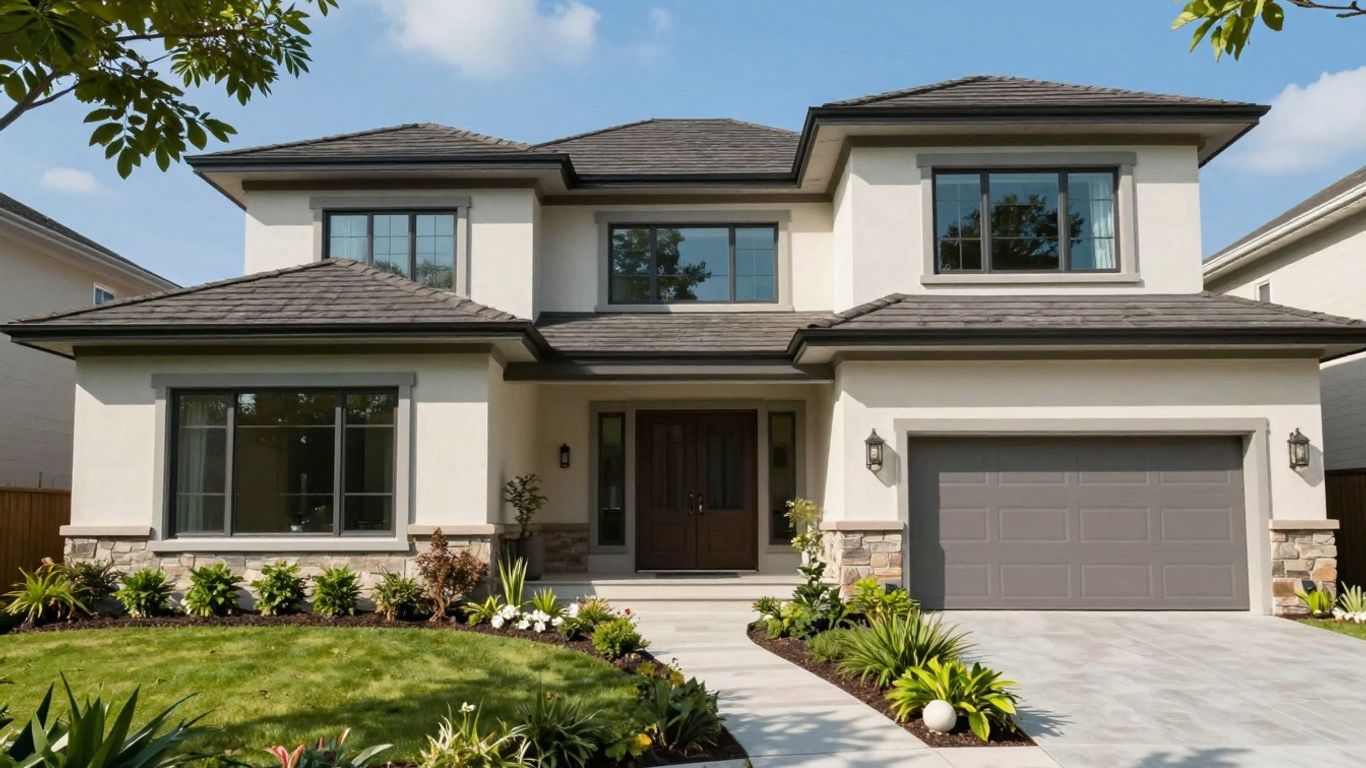
So, you've got a number in mind – under $300k to build. That's a solid goal, but how do you actually make it happen without feeling like you're settling? It's all about being smart with your choices from the get-go. Think of it like packing for a trip; you can't bring everything, so you pick the items that are most important and versatile.
Prioritizing Features for Value
When you're working with a budget, you have to get real about what matters most. Is it a huge kitchen island, or is it having enough bedrooms for your growing family? Often, the best approach is to list out everything you want and then split it into two columns: "Must-Haves" and "Nice-to-Haves." This helps you focus your funds where they'll make the biggest difference in your daily life.
- Structural Integrity: Don't skimp on the foundation, framing, and roofing. These are the bones of your house, and fixing them later is a major headache and expense.
- Functional Spaces: Prioritize rooms you'll use daily, like a comfortable living area, an efficient kitchen, and enough bathrooms.
- Energy Efficiency: Things like good insulation and decent windows might cost a bit more upfront, but they save you money month after month.
Maximizing Space and Functionality
Just because you're on a budget doesn't mean your home has to feel small or cramped. Clever design can make a huge difference. Think about how you actually live in your home. Do you need a formal dining room, or would that space be better used as a home office or a playroom?
- Open Floor Plans: These can make smaller homes feel much larger and more connected.
- Smart Storage: Built-in shelves, well-designed closets, and even under-stair storage can add a lot of utility without taking up much extra square footage.
- Flexible Rooms: Designate a space that can serve multiple purposes. A spare bedroom could be a nursery now and a home office later. This adaptability is key for long-term value.
Building a home is a marathon, not a sprint. It's easy to get caught up in the excitement and want all the bells and whistles right away. However, focusing on the core elements and planning for future upgrades can be a much more sustainable approach. Think about what you can live with now and what can be added or improved down the line.
Balancing Aesthetics and Affordability
Looking good doesn't have to break the bank. There are plenty of ways to give your home curb appeal and a stylish interior without spending a fortune. It's about making smart material choices and using design tricks.
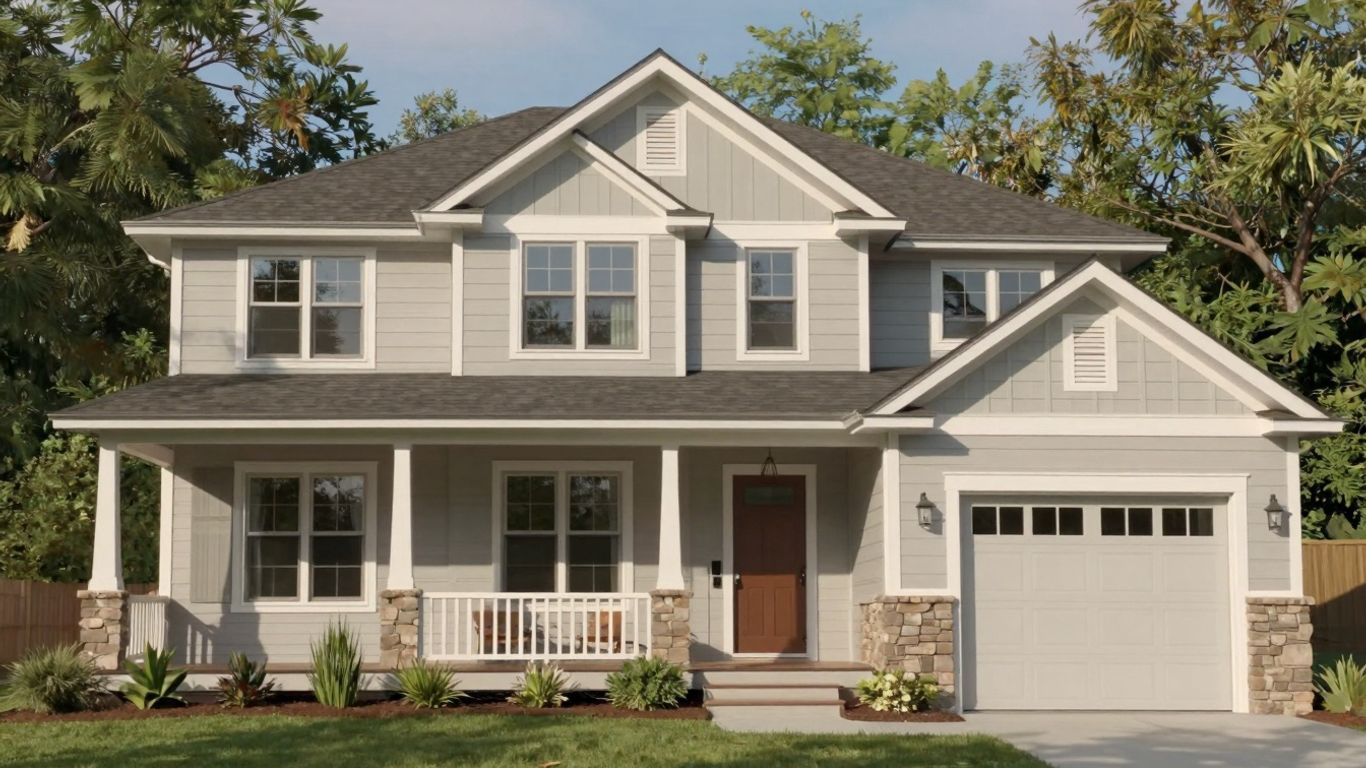
Combining different exterior materials, like vinyl siding with a stone or brick accent, can add a lot of visual interest without a massive cost increase. Similarly, choosing a popular, durable flooring like LVP can give you the look of wood at a fraction of the price. It's all about finding those sweet spots where style meets savings.
Key Considerations for Building Under 300k
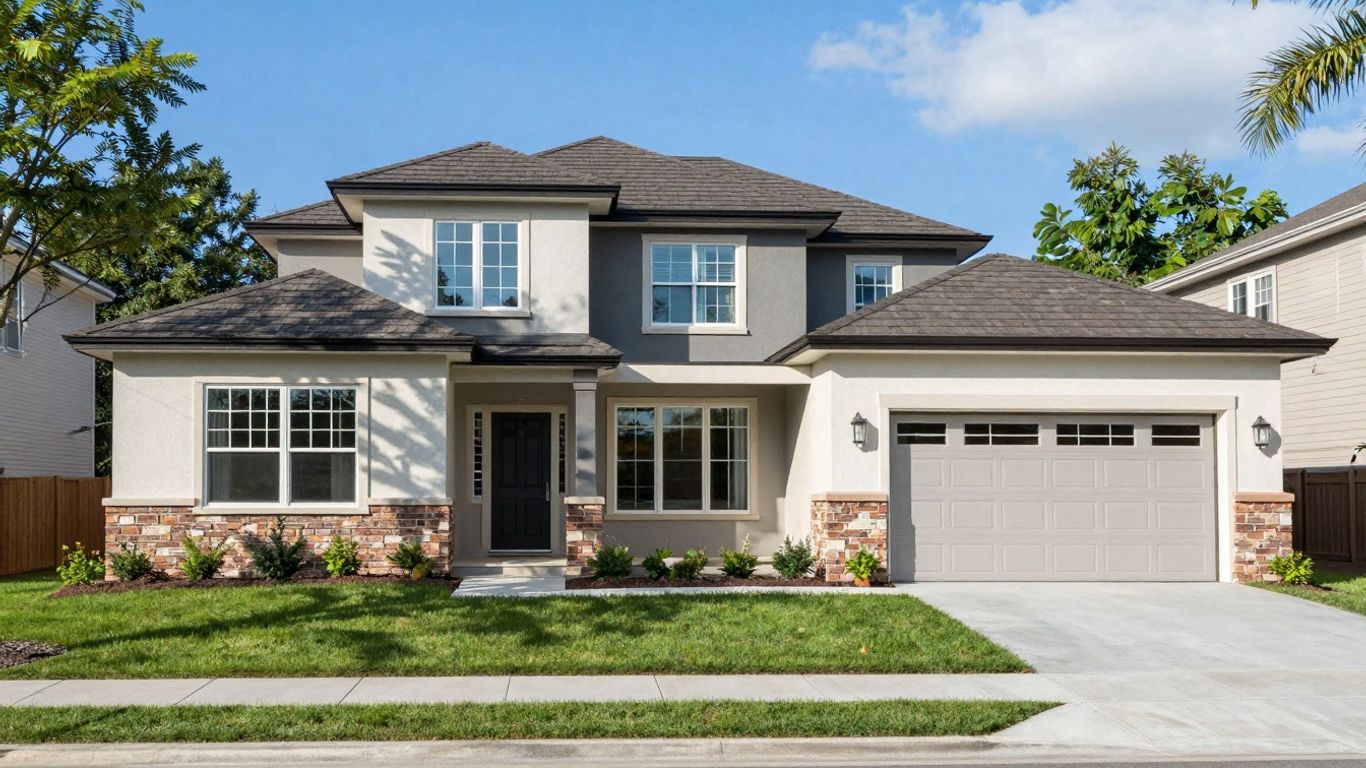
Building a home for under $300,000 in 2025 means being smart about every decision. It's not just about picking a pretty design; it's about understanding what makes a house affordable to build and what factors can really drive up the price. We're talking about the nitty-gritty here, the stuff that can make or break your budget.
Location's Impact on Construction Costs
Where you decide to build is a huge piece of the puzzle. Land prices vary wildly, and so do local labor rates and material availability. A lot in a booming city suburb might cost more upfront than a rural plot, but then again, getting utilities to a remote location can add unexpected expenses. Think about the accessibility for construction crews and material deliveries too. Sometimes, a slightly less desirable location can save you tens of thousands before you even break ground.
Here’s a quick look at how location can affect things:
- Land Costs: Varies significantly by region and proximity to amenities.
- Labor Rates: Higher in areas with more construction activity or higher cost of living.
- Permitting & Fees: Local government regulations can add to the overall expense.
- Utility Access: Extending water, sewer, and power can be costly, especially in rural areas.
Material Choices for Budget-Friendly Builds
What your house is made of matters. You can get a beautiful home without using the most expensive finishes. Think about materials that offer good value and durability. For example, instead of high-end hardwood floors throughout, maybe a durable laminate or luxury vinyl plank in some areas and tile in wet spaces. Similarly, choosing standard-sized windows and doors can be more cost-effective than custom ones. It’s all about finding that balance between looks and price. You can find great deals on quality building materials if you shop around.
The Role of Efficient Layouts
Layout is king when you're trying to keep costs down. A simple, rectangular footprint is generally cheaper to build than complex shapes with lots of corners and angles. Open-concept living areas can make smaller spaces feel much larger and more functional. Think about how you actually live in a home. Do you need a formal dining room, or would that space be better used as a larger living area or a home office? Smart design minimizes wasted space and reduces the amount of materials and labor needed.
When planning your build, always factor in a contingency fund. Unexpected issues, like discovering rocky soil or needing to adjust the foundation, can pop up. Aiming for at least 10% of your total budget for these surprises is a smart move to avoid stress later on.
Exploring Plan Categories for Your Budget
When you're looking to build a house for under $300,000, it's super helpful to know what kind of plans fit into that budget. It's not just about picking a pretty picture; it's about finding a design that's practical, fits your life, and doesn't break the bank. Think of it like choosing a car – you can get a reliable sedan, a sporty coupe, or a big SUV, and each has its own price tag and purpose. House plans are kind of the same way. We've got a few main types that usually fall into our target price range.
Starter Home Plans: Efficiency and Simplicity
These are your go-to if you're just starting out, downsizing, or really focused on keeping costs low. Starter home plans are all about making the most of every square foot. They're typically smaller, often between 800 and 1,200 square feet, and they skip the fancy architectural details that add to the price. The layouts are straightforward, usually with fewer corners and simpler rooflines, which makes them quicker and cheaper to build. The main goal here is maximum function with minimum fuss.
- Size: Generally 800-1,200 sq ft.
- Features: Open living areas, fewer bathrooms, simple exteriors.
- Benefits: Most affordable, fastest construction time, lower utility bills.
These plans are designed to be incredibly efficient. They cut down on wasted space and use standard building materials, which keeps the price down and the build time short. It's smart building for smart buyers.
Traditional Family Home Plans: Balanced Value
If you need a bit more room for a growing family or just like a bit more space, traditional family home plans hit a sweet spot. These plans usually range from about 1,400 to 2,200 square feet. They offer a good balance between cost and features, giving you more comfortable living spaces, maybe an extra bedroom or bathroom, and a more traditional look that appeals to a lot of people. They're not as basic as starter homes, but they're also not pushing into luxury territory, making them a solid choice for many budgets.
- Size: Typically 1,400-2,200 sq ft.
- Layouts: Often include 3-4 bedrooms, 2+ bathrooms, separate living and dining areas.
- Appeal: Broad market appeal, good for resale, comfortable for families.
Contemporary Mid-Range Plans: Style Meets Substance
These plans are for folks who want a bit more modern style without going over budget. Think clean lines, open-concept living, and maybe some updated features like larger windows or a more modern kitchen layout. They might be a bit larger than traditional family homes, perhaps in the 1,800 to 2,500 square foot range, and they focus on smart design that feels current. You get a good mix of aesthetics and practicality, making your home look good and function well for everyday life.
Making Smart Choices for Your New Home
So, you've got a plan, maybe even a few you're eyeing. That's awesome! But before you start picking out paint colors, let's talk about a few things that really make a difference in the long run, especially when you're trying to keep things under that 300k mark. It’s not just about the pretty pictures on the blueprint; it’s about building something solid that works for you and your wallet.
The Importance of a Skilled Builder
Honestly, the best plan in the world won't mean much if the person building it isn't top-notch. Finding a builder who knows their stuff is probably the most important step you'll take. They're the ones who can spot potential problems before they become expensive headaches, suggest smarter ways to do things that save you money without sacrificing quality, and generally just make the whole process smoother. Think of them as your partner in this whole adventure.
- Look for builders with a solid track record in the type of home you want.
- Ask for references and actually call them. See what past clients say.
- Make sure they're good communicators – you want someone you can talk to easily.
- Get everything in writing. No handshake deals!
A builder's experience can turn a good plan into a great home. They ensure it's built right, not just to meet the minimum standards, but to last.
Pre-Approval and Financial Planning
This one's a biggie. Before you get too far down the road, you absolutely need to know what you can realistically afford. Getting pre-approved for a mortgage isn't just a formality; it gives you a clear budget. It stops you from falling in love with a plan that's way out of reach. Plus, lenders like to see that you're serious and have done your homework.
Here’s a quick rundown:
- Talk to a Lender: Get pre-approved for a loan. This tells you your borrowing limit.
- Budget for Everything: Don't forget closing costs, permits, and unexpected little things.
- Contingency Fund: Always set aside extra money, maybe 10-15%, for those surprise expenses that pop up.
Customization Within Your Budget
Just because you're on a budget doesn't mean your home has to look like everyone else's. There are smart ways to add your personal touch. Instead of changing the whole layout, which can get pricey fast, focus on smaller, impactful customizations. Think about mixing exterior materials – maybe some nice siding with a stone accent. Or, plan for future upgrades. You can put in a basic countertop now and swap it for granite in a few years when funds allow. Prioritizing the important stuff, like good insulation and a solid HVAC system, means you're building a comfortable, efficient home from day one, and you can always update the finishes later.
Ready to Build Your Dream Home?
So, building a home under $300,000 in 2025 is totally doable. We've looked at how different plans fit various budgets, from cozy starter homes to more spacious, modern designs. The main thing to remember is that a budget isn't a roadblock; it's more like a guide. It helps you figure out what's really important and where to spend your money wisely. Finding the right plan is just the first step, though. The real magic happens when you team up with good people who know how to build. They can take a great plan and turn it into a home you'll love for years to come. Get your ideas together, talk to a lender, and then find a builder you trust. Your dream home is waiting.
Frequently Asked Questions
What makes a house plan "affordable" to build?
Affordable house plans use smart design tricks to save money. They often have simple shapes, like rectangles, and easy-to-build roofs. Plumbing and electrical stuff are grouped together to use fewer pipes and wires. These plans cut out fancy extras and focus on making the space useful and good-looking. Simple layouts and putting bathrooms close together help keep building costs down without making the home less livable.
Are budget house plans good for people buying their first home?
Yes, totally! Budget-friendly house plans are great for first-time home buyers who need to watch their money. These homes are usually between 1,200 and 2,000 square feet, which is enough room to live comfortably without costing too much. They often have open living areas, nice kitchens, and exteriors that are easy to take care of, which first-time buyers love.
Can cheaper home designs still have modern features?
You bet! Even affordable house plans can include cool modern touches like open living spaces, kitchen islands, walk-in closets, and windows that save energy. The trick is to pick features that add value without costing a lot. Many budget-friendly plans use clever material choices and smart layouts to get popular design looks instead of expensive custom stuff.
Do less expensive house plans mean lower quality?
Not at all! The goal of an affordable house plan is to be cost-effective, not to skimp on quality. By using simpler designs and standard materials wisely, you can still build a durable and attractive home. The savings come from smart planning and efficient building methods, not from using cheap, low-quality materials. You can still get a great home that lasts.
How much space can I expect with a house plan under $300k?
With a budget of under $300k, you can often find plans for homes ranging from about 1,500 to 2,500 square feet. This size is great for growing families or those who want a bit more room than a starter home. You'll likely get more features and a more modern design compared to basic starter homes, offering a good balance of space and style.
What's the biggest factor that affects the cost of building a house plan?
The location where you want to build has a huge impact on the total cost. Building in an area with higher land prices, more expensive labor, or stricter building rules will naturally cost more. The types of materials you choose also play a big role – fancy finishes and high-end products will drive up the price compared to more standard options.
Book Your Project Consultation