.png)
Discover Affordable House Plans to Build Your Dream Home on a Budget
Thinking about building your own home but worried about the price tag? It's a common concern, but the reality is, making your dream home a reality on a budget is totally doable. We're going to talk about how affordable house plans to build can be your secret weapon for getting the home you want without going broke. It’s all about making smart choices from the start.
Key Takeaways
- Affordable house plans are designed to cut down on building costs through smart layouts, simpler designs, and efficient use of space. They focus on what you really need, not just fancy extras.
- Choosing a smaller square footage is a straightforward way to save money on materials, labor, and even long-term energy bills.
- Using pre-designed home plans is much cheaper than custom blueprints and often comes with cost-saving features already built-in.
- Don't forget about energy efficiency! While it might cost a bit more upfront, features like good insulation and efficient windows will save you money on utilities for years.
- Getting quotes from different builders and being open to using cost-effective materials can make a big difference in your final construction costs.
Understanding Affordable House Plans
So, you're looking to build your dream home but don't want to end up eating ramen for the next decade, right? That's where affordable house plans come in. Think of them as smart blueprints designed to get you a great home without all the fancy, expensive extras you might not even need. The main idea is to build a solid, functional home that fits your budget from the get-go.
What Constitutes An Affordable House Plan?
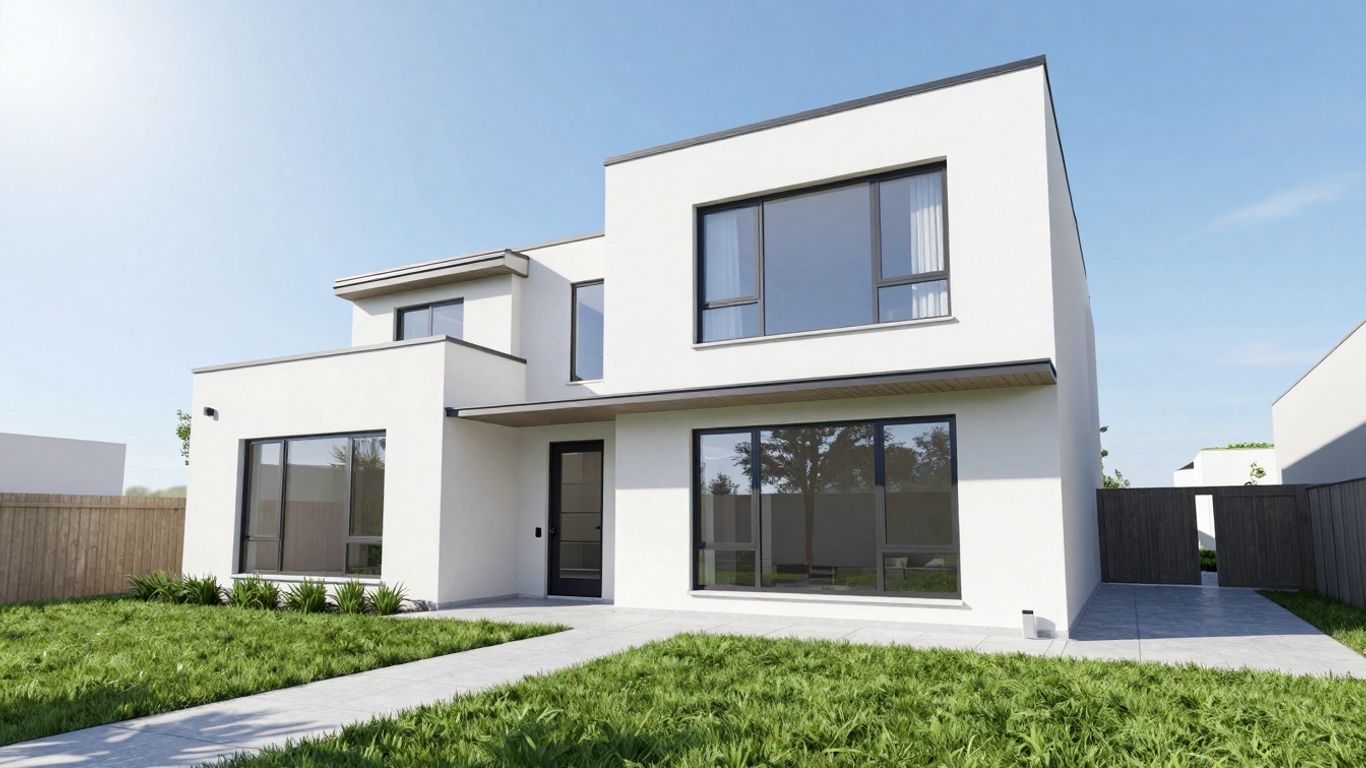
An affordable house plan isn't about cutting corners on quality; it's about being clever with design. These plans often feature simpler shapes, like rectangular footprints, and straightforward rooflines. They also tend to group plumbing and electrical systems together, which cuts down on material and labor costs. You'll usually find they focus on maximizing the space you have, making smaller square footage feel much bigger and more livable. They're built using proven methods and good materials, so you're not sacrificing safety or durability.
Key Features Of Budget-Friendly Designs
What makes a plan budget-friendly? A few things usually stand out:
- Open Layouts: Less wall space means fewer materials and often a more open, airy feel. This also helps with heating and cooling.
- Efficient Footprints: Simple shapes, like rectangles, are cheaper to build than complex, multi-angled designs.
- Centralized Utilities: Placing bathrooms back-to-back or near the kitchen means shorter plumbing runs, saving money on pipes and labor.
- Standard Materials: Using common sizes and types of lumber, windows, and doors keeps costs down.
- Minimalist Exteriors: Fancy trim work and lots of gables can add up. Affordable plans often stick to cleaner, simpler exterior designs.
Building a home is a big undertaking, and choosing the right plan from the start can make a huge difference in your overall costs. It's about making smart choices early on that pay off later.
Benefits Of Choosing Affordable Plans
Why go with an affordable plan? Well, the most obvious benefit is the lower upfront construction cost. This can mean a smaller mortgage or more money left over for finishes and furnishings. Plus, these homes are often more energy-efficient due to their simpler designs and the focus on smart material choices, leading to lower utility bills down the road. They can also be quicker to build because the designs are straightforward. It's a practical way to get into a new home without the financial strain.
Here's a quick look at what you might expect in terms of size and cost, though remember these are just averages:
Strategic Planning For Your Dream Home
Building a home that fits your budget doesn't mean you have to skip the important stuff. It's all about being smart with your choices from the get-go. Think of it like planning a big trip; you wouldn't just book the first flight you see, right? You'd figure out where you want to go, what you absolutely need to do there, and then find the best way to make it happen without spending your life savings.
Prioritize Your Essential Needs
Before you even look at a single floor plan, sit down and really think about what you and your family need in a home. What are the absolute must-haves? Maybe it's a certain number of bedrooms, a decent-sized kitchen for cooking, or a home office space. What about the nice-to-haves? Those can be great, but if they stretch the budget too thin, they might have to wait. Making a list and ranking things from most important to least important will help you make tough decisions later on.
- Number of bedrooms and bathrooms
- Kitchen size and layout
- Need for a dedicated home office or play area
- Storage space requirements
- Outdoor living space desires
Figuring out your non-negotiables early on is key. It stops you from getting sidetracked by fancy features that you might not actually use or need.
Embrace Functional And Open Layouts
When you're trying to keep costs down, the way your home is laid out makes a big difference. Simple, open designs often cost less to build. Why? Because fewer walls mean less material and less labor. Plus, an open floor plan can make a smaller home feel much bigger and more airy. Think about how you actually live in your space. Do you need a formal dining room that's rarely used, or would that space be better used as part of a larger living area or kitchen?
Consider Smaller Square Footage
This might sound obvious, but a smaller house generally costs less to build, heat, cool, and maintain. It's not about living in a tiny box, though. It's about being efficient with the space you have. A well-designed smaller home can feel just as comfortable and functional as a larger one. You can still have all the rooms you need, but they might be a bit more compact. Think about how much space you really need versus how much space you think you want. Sometimes, less is definitely more when it comes to your budget.
Smart Choices For Cost-Effective Construction
Building your dream home doesn't have to mean spending a fortune. Making smart choices during the planning and construction phases can really cut down on costs. It’s all about being practical and knowing where you can save without sacrificing the quality or feel of your home.
Leverage Pre-Designed Home Plans
Instead of hiring an architect to draw up plans from scratch, which can be quite pricey, look into pre-designed house plans. These are plans that have already been created by professionals and are available for purchase. They often come in a wide variety of styles and layouts, and many can be slightly tweaked to fit your needs. Think of it like buying a great recipe that you can add your own spice to. It saves a ton of design time and money right from the start.
Efficient Material Selection
When you're building, the materials you choose make a big difference in the final price. You don't always need the most expensive stuff to get a good result. Talk to your builder about options that are durable and look good but don't break the bank. For example, engineered wood products can sometimes be a more budget-friendly alternative to solid wood. It's about finding that sweet spot between cost, how long it will last, and how it looks.
Control Labor Expenses
Labor is a huge part of building costs. To keep this in check, it's a good idea to get quotes from a few different contractors. Really look at what each one includes in their price and what their payment schedule is. Understanding the work involved upfront can help avoid surprises later. Also, hiring local folks might sometimes be cheaper than bringing in a team from further away.
Being smart about materials and labor means you can put more of your budget towards the features that matter most to you, rather than just basic construction.
Here’s a quick look at how different plan types can affect costs:
Maximizing Value With Energy Efficiency
Building a home on a budget doesn't mean you have to skimp on features that save you money down the road. In fact, focusing on energy efficiency can be one of the smartest financial moves you make. It's about building a home that's not only affordable to construct but also inexpensive to live in.
Invest In Energy-Efficient Features
When you're looking at house plans, pay attention to how they incorporate energy-saving elements. This isn't just about slapping on some extra insulation; it's about smart design choices. Think about:
- Window Placement and Type: Proper window placement can maximize natural light and passive solar heating in winter, while minimizing heat gain in summer. Choosing double or triple-paned windows with low-E coatings makes a big difference.
- Insulation Levels: Higher R-values in walls, attics, and foundations mean less energy is needed to keep your home warm in the winter and cool in the summer. Don't just meet code; aim to exceed it where possible.
- Appliance and System Efficiency: Look for homes designed to accommodate Energy Star-rated appliances and high-efficiency HVAC systems. These might cost a bit more upfront, but they pay for themselves over time.
Making energy-efficient choices during the planning and building phases is a proactive way to lower your monthly utility bills. It's an investment that continues to give back long after you've moved in.
Long-Term Savings Through Efficiency
It's easy to get caught up in the initial construction costs, but the real savings come from how your home performs day-to-day. A well-designed, energy-efficient home means lower heating and cooling bills, which can add up significantly over the years. This is especially true in areas with extreme temperature fluctuations. Beyond just comfort, these features contribute to a healthier indoor environment and can even increase your home's resale value. Many of the standardized, regionally adapted housing designs available through services like The Housing Design Catalogue already consider these efficiency factors, making it easier to find a plan that works for both your budget and your long-term goals.
Budget-Conscious Customization And DIY
Even when you're trying to keep costs down, there are still ways to make your new house feel like your home. It’s all about being smart with your choices.
DIY Contributions And Sweat Equity
If you're handy or willing to learn, putting in some of your own labor can save a surprising amount of money. Think about tasks you can realistically handle yourself. This isn't about becoming a professional builder overnight, but rather identifying areas where your time and effort can directly reduce labor costs.
- Landscaping: Planting trees, laying sod, or building simple garden beds can be done by you.
- Interior Finishing: Tasks like painting walls, installing trim, or even laying down laminate flooring can be DIY-friendly.
- Minor Exterior Work: Depending on your skills, things like building a simple deck or staining a fence might be manageable.
Remember, sweat equity adds a personal touch that money can't buy. It's a way to invest yourself into the home's creation.
Taking on DIY projects requires a realistic assessment of your skills and available time. It's better to do a few tasks well than to attempt too much and create more problems (and costs) down the line. Focus on areas where you can achieve a good result without compromising the structural integrity or safety of your home.
Cost-Effective Customization Options
Customizing a pre-designed plan doesn't always mean a huge price jump. The trick is to focus on changes that have a low impact on the overall construction complexity. Many affordable house plans can be tweaked without breaking the bank. You can explore over 40,000 house plans to find a great starting point.
Here are some ideas for smart customizations:
- Fixture Upgrades: Swapping out standard light fixtures, faucets, or cabinet hardware for slightly nicer ones can make a big difference in feel without adding much to the build cost.
- Paint Colors and Finishes: Choosing your own paint colors is a very low-cost way to personalize every room.
- Interior Layout Tweaks: Sometimes, simply moving an interior wall a few feet or changing the swing of a door can improve flow without major structural changes.
- Exterior Material Choices: While the basic shape of the house is set, you might be able to choose different siding materials or roofing colors that fit your budget and style.
It's important to discuss any desired changes with your plan provider or builder early on. They can help you understand the cost implications and suggest the most budget-friendly ways to achieve your vision.
Navigating The Building Process On A Budget
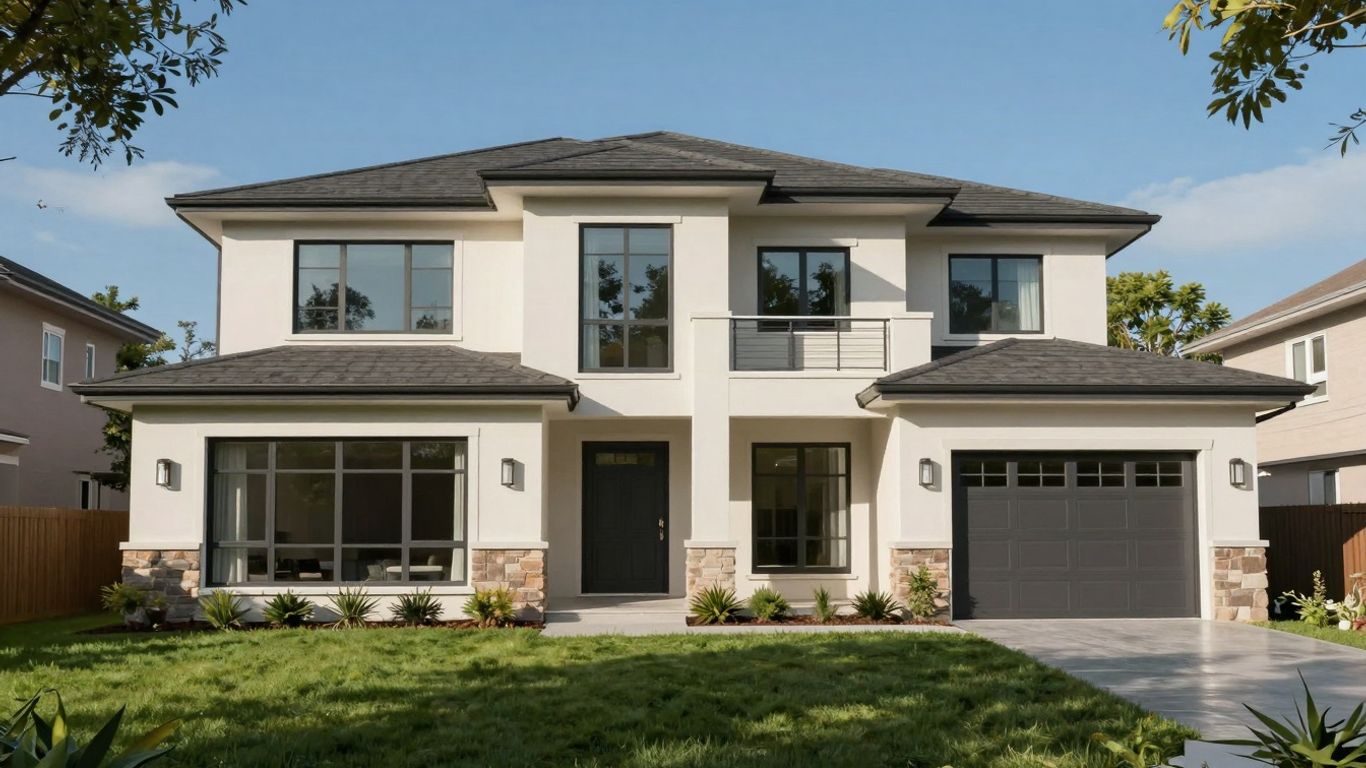
Building your dream home on a budget is totally doable, but you've got to be smart about how you handle the actual construction part. It's not just about picking the right plans; it's about managing the whole shebang without going broke.
Explore Financing Options
First things first, you need to figure out how you're going to pay for it all. Don't just assume you can wing it. There are loans specifically for building homes, like construction loans, and sometimes renovation mortgages can work too. These are designed to help you cover the building costs and often have payment terms that make more sense when you're not living in the house yet. It's worth looking into what's available to see if you can get a good deal. Understanding the full scope of your project and researching local construction costs is a good first step. Research construction costs to get a clearer picture.
Maintain Flexibility And Patience
Things rarely go exactly as planned when you're building a house, especially when you're trying to keep costs down. You've got to be ready to bend a little. Maybe the material you wanted is suddenly way more expensive, or a certain part of the build takes longer than expected. Being flexible means you can adjust your plans without freaking out and blowing your budget. Patience is also a big one. Rushing things often leads to mistakes and more costs down the line. Take your time, make good decisions, and don't get discouraged if there are hiccups.
Building a home is a marathon, not a sprint. Expect the unexpected and be prepared to adapt your strategy to stay on course financially.
Monitor Costs Throughout The Project
This is super important. You can't just set a budget at the beginning and forget about it. You need to keep a close eye on where the money is going, every step of the way. Talk to your builder regularly about expenses. If you see something starting to creep up, address it immediately. It’s much easier to fix a small cost issue early on than a big one later. Keeping track helps prevent those nasty surprises that can wreck your budget. Here’s a simple way to think about it:
- Track Every Expense: Keep receipts and invoices organized.
- Regular Check-ins: Schedule weekly or bi-weekly budget reviews with your contractor.
- Contingency Fund: Always have a buffer for those unforeseen costs.
- Compare Bids: Get multiple quotes for any work not already contracted.
Your Dream Home is Within Reach
So, building that dream home doesn't have to mean a mountain of debt. We've gone over how smart planning, picking the right kind of plans, and being a little creative can really make a difference. It’s totally possible to get a place that feels like yours without spending a fortune. Remember, it’s about making good choices along the way, and soon enough, you could be living in a home you love, built on your terms and your budget. Don't let the idea of cost stop you; start exploring those affordable plans today and make that dream a reality.
Frequently Asked Questions
What makes a house plan budget-friendly?
Budget-friendly house plans are designed to cost less to build. They often have simple shapes, like rectangles, and straightforward roof designs. They also group plumbing and electrical stuff together to save on materials and work. Basically, they cut out fancy stuff that costs extra but still give you a great place to live.
Are cheaper house plans good for people buying their first home?
Definitely! If you're buying your first home and need to watch your money, these plans are a smart choice. They usually aren't too big, maybe around 1,200 to 2,000 square feet, which is comfy without being super expensive. They often have open living areas and kitchens that work well, which first-time buyers really like.
Can I still get modern things in a cheap house plan?
You bet! Even budget-friendly plans can have cool modern features. Think open living spaces, kitchen islands, and windows that help save energy. The trick is to pick features that look good and add value without costing a fortune. Smart choices in materials and layout make this possible.
Do cheaper house plans mean lower quality?
Not at all! Cheaper plans focus on saving money by being smart with design and building methods, not by using bad materials. They follow all the building rules and use materials that last. The savings come from building it simply and efficiently, so you still get a safe and sturdy home.
Are there cheap house plans for different family sizes?
Yes, there are! You can find plans for small families, like cozy two-bedroom homes, or bigger ones with three or four bedrooms. These plans are really good at using space well, so even smaller homes feel roomy and work for your family. Just think about what you need now and in the future.
Can I change a cheap house plan a little without spending a lot more?
Often, yes! You can usually make small changes, like moving a wall inside, picking different light fixtures, or choosing a different color for the outside. These kinds of changes usually don't cost much extra. If you want bigger changes, it's best to talk to someone who knows how to do it without making it too expensive.
Book Your Project Consultation