.png)
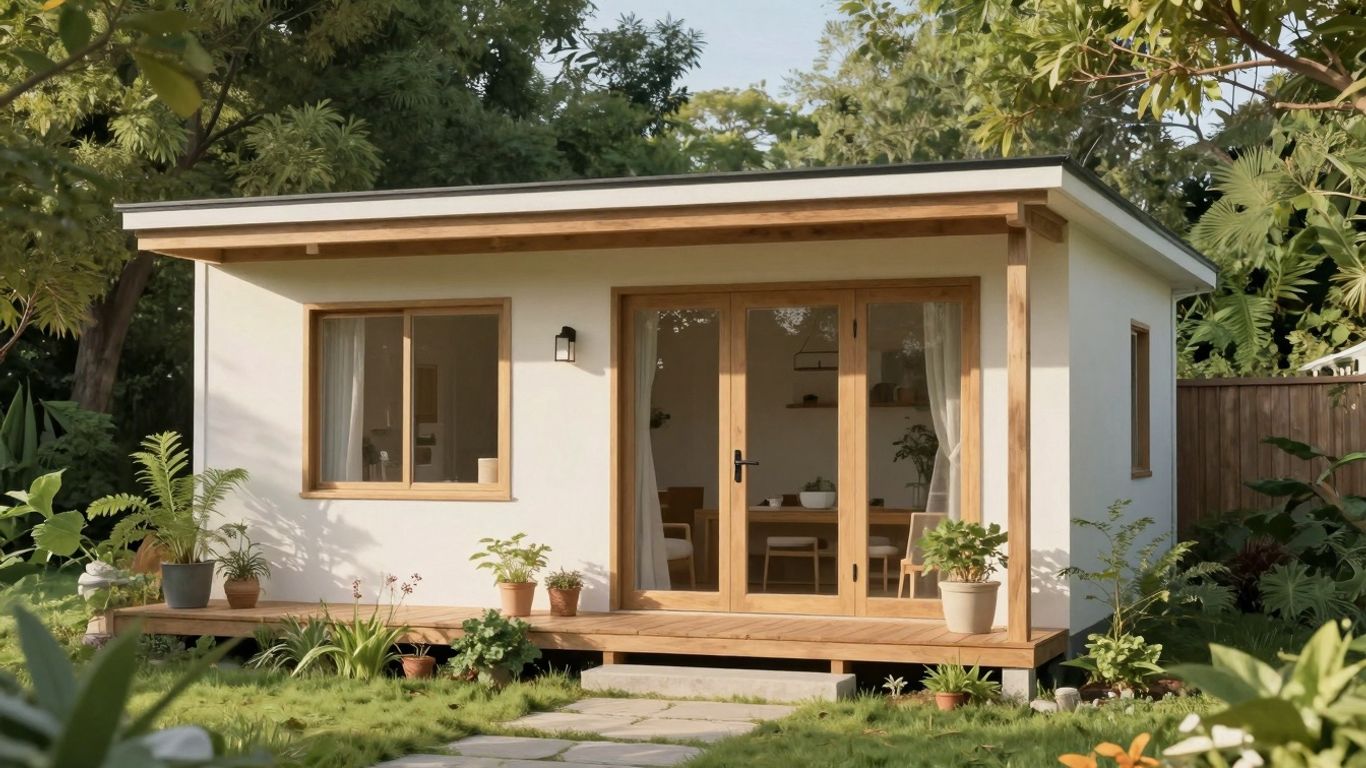
Discover Your Dream Small House Plan Design: Tips and Inspiration
Thinking about building a smaller home? It's a smart move for a lot of people these days. Whether you're looking to save money, live simpler, or just want something that's easier to take care of, a small house plan design can be just the ticket. We'll walk you through some ideas to make sure your compact home feels just right, no matter the size.
Key Takeaways
- Small house plan design is all about making the most of every square foot, focusing on smart layouts and efficient use of space.
- Open-concept layouts, high ceilings, and large windows help a small house feel bigger and brighter.
- Multipurpose furniture and built-in storage are your best friends when it comes to maximizing space in a small home.
- Online tools and 3D technology can help you visualize and customize your small house plan design before you build.
- Don't forget about outdoor living areas; they can really extend your usable space and improve your lifestyle.
Understanding Small House Plan Design
So, you're thinking about going small? It's a trend that's really taken off, and for good reason. People are realizing that a smaller home doesn't mean a smaller life. In fact, it can often mean a more focused, less cluttered, and more affordable one. The appeal of compact living is about more than just square footage; it's about a lifestyle shift.
The Appeal of Compact Living
Why are so many folks drawn to smaller homes these days? It's a mix of things. For starters, the cost of building and maintaining a smaller house is generally much lower. Think less money spent on utilities, less time spent on cleaning and upkeep, and often, a more accessible entry point into homeownership. Plus, there's a certain charm and coziness that comes with a well-designed small space. It encourages you to be more intentional about what you own and how you use your space. It's about living smarter, not necessarily smaller.
Key Elements of Efficient Small House Plans
When you're designing a small house, every inch counts. You can't just throw walls up anywhere and expect it to feel good. Efficient plans focus on a few core ideas:
- Open-concept layouts: These designs blend living, dining, and kitchen areas, making the whole space feel bigger and more connected. It's like one big room instead of several small ones.
- Smart storage solutions: Built-in cabinets, clever nooks, and furniture that doubles as storage are lifesavers. You need places to put things without them taking over your living space.
- Maximizing vertical space: Don't forget about the walls! High ceilings, lofts, and tall shelving units draw the eye upward and add usable space.
- Good natural light: Lots of windows and thoughtful placement can make even the smallest room feel airy and bright. It's amazing what sunlight can do.
Designing a small home is an exercise in thoughtful planning. It's about making every square foot work hard for you, creating a space that feels both functional and inviting, no matter its size.
Benefits of Choosing a Small House Plan
Beyond the obvious cost savings, there are some really great benefits to opting for a small house plan. They're easier to manage day-to-day, which frees up your time for other things. They tend to be more energy-efficient, which is good for your wallet and the planet. And honestly, they often encourage a more minimalist and organized lifestyle, which many people find incredibly freeing. If you're looking for a way to simplify your life without sacrificing comfort or style, a small house plan might be just the ticket. You can find some great examples of these efficient designs in our collection of Small Modern House Plans.
Maximizing Space in Your Small House Plan Design
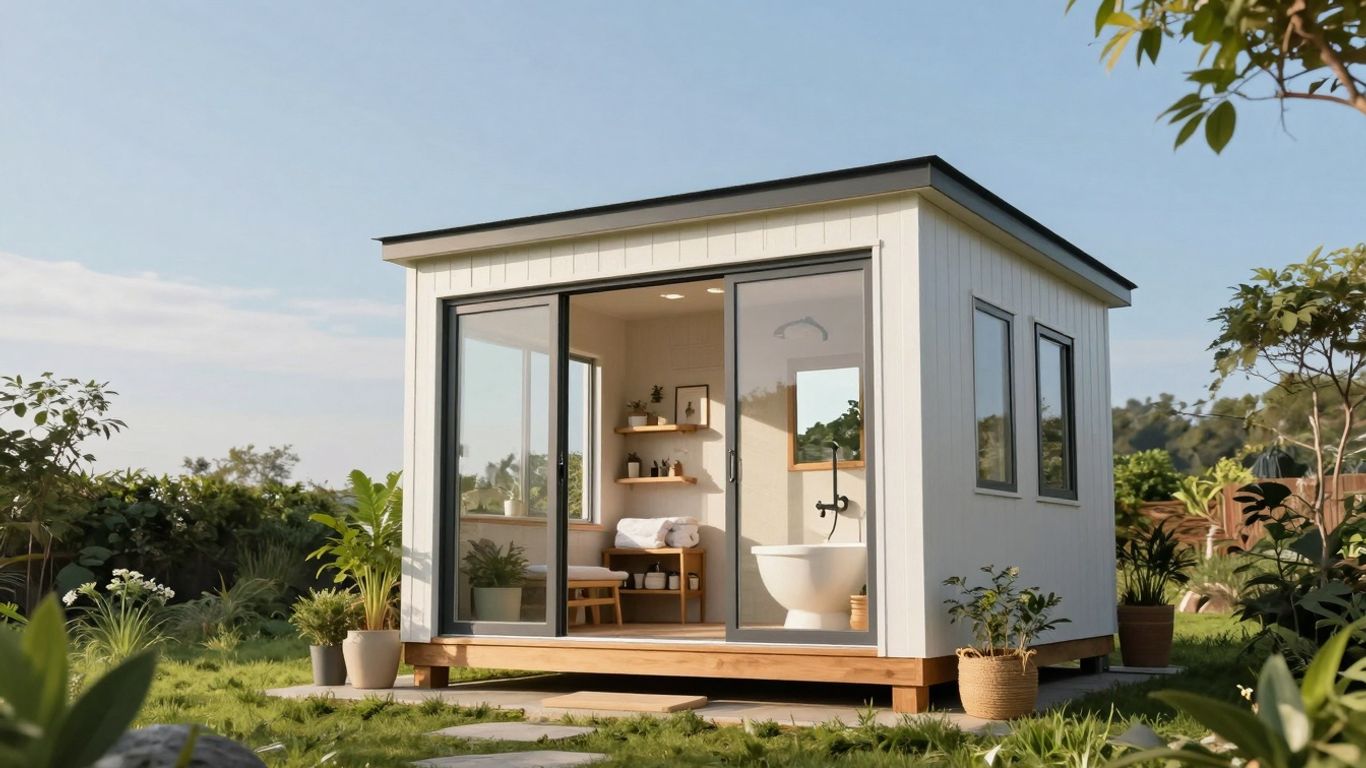
Living in a smaller home doesn't mean you have to feel cramped. It's all about being smart with your layout and how you use every bit of space. Think of it like packing for a trip – you want to fit everything you need without it feeling like a jumbled mess. The goal is to make your home feel bigger and more functional than its actual square footage might suggest.
Open-Concept Layouts for Flow
One of the best ways to make a small house feel larger is by breaking down walls, literally. Open-concept layouts connect your main living areas – like the kitchen, dining, and living room – into one continuous space. This creates a sense of airiness and makes it easier to move around. Instead of feeling like you're in separate, small boxes, the whole area feels more expansive. It's also great for entertaining, as you can chat with guests while you're cooking or cleaning up.
Strategic Use of Vertical Space
Don't forget about what's above you! Small homes often have unused vertical space that can be put to good use. Think about tall shelving units that go all the way to the ceiling for storage, or even a loft area if your ceiling height allows. Built-in shelving around doorways or windows can also add storage without taking up floor space. Even simple things like hanging plants or wall-mounted organizers can help free up surfaces and make the room feel less cluttered.
Multipurpose Furniture and Built-In Storage
Every piece of furniture in a small home should ideally serve more than one purpose. A coffee table with hidden storage, an ottoman that doubles as seating and storage, or a sofa bed for guests are all great examples. Built-in storage is also a lifesaver. Think about custom cabinets that fit perfectly into nooks, or a bench seat with storage underneath in an entryway. These clever solutions help keep clutter out of sight and make the most of every square inch.
When planning your layout, consider how you actually live. Do you entertain often? Do you work from home? Tailoring the flow and storage to your specific needs will make your small house feel like a custom-built haven, not a compromise.
Designing for Light and Airiness
Making a small house feel big is all about tricking the eye and letting the natural world do some of the heavy lifting. It’s not just about cramming in more stuff; it’s about how the space feels when you’re in it. Think about how sunlight moves through a room or how a clear line of sight can make a hallway seem longer. These aren't just aesthetic choices; they directly impact how comfortable and open your home feels.
The Impact of High Ceilings
When you're working with a smaller footprint, looking up can make a world of difference. Raising the ceiling height, even in just one key area, can dramatically expand the sense of space. It draws the eye upward, making the room feel less confined. You don't necessarily need a full cathedral ceiling; a simple vaulted or tray ceiling adds architectural interest and can make a living area or kitchen feel much grander. Adding recessed lighting or pendant lights can further highlight these changes in height, creating a more dynamic and inviting atmosphere.
Leveraging Large Windows
Windows are your best friends when you want to make a small house feel airy. They let in natural light, which is a game-changer for making spaces feel larger and more welcoming. Think about placing large windows strategically, perhaps in a living room that opens onto a patio. This not only brings the outdoors in but also extends your visual space beyond the walls of your home. Even internal windows or transom windows between rooms can help light travel further, connecting spaces without sacrificing privacy.
Accentuating Lines of Sight
This is about creating clear pathways for your eyes to follow. When you can see across a room, or even into another space, without obstruction, it makes your home feel much bigger. This works especially well in open-plan layouts. Furniture placement is key here; arrange pieces so they don't block these sightlines. Sometimes, a simple internal window or a glass door can help maintain visual connection between areas, allowing light and views to flow freely. It’s about making the boundaries between spaces feel softer and less defined.
Creating clear lines of sight and maximizing natural light are simple yet powerful ways to make any small home feel more expansive and pleasant. It’s about thoughtful arrangement and letting the architecture work for you.
Tools and Inspiration for Your Small House Plan Design
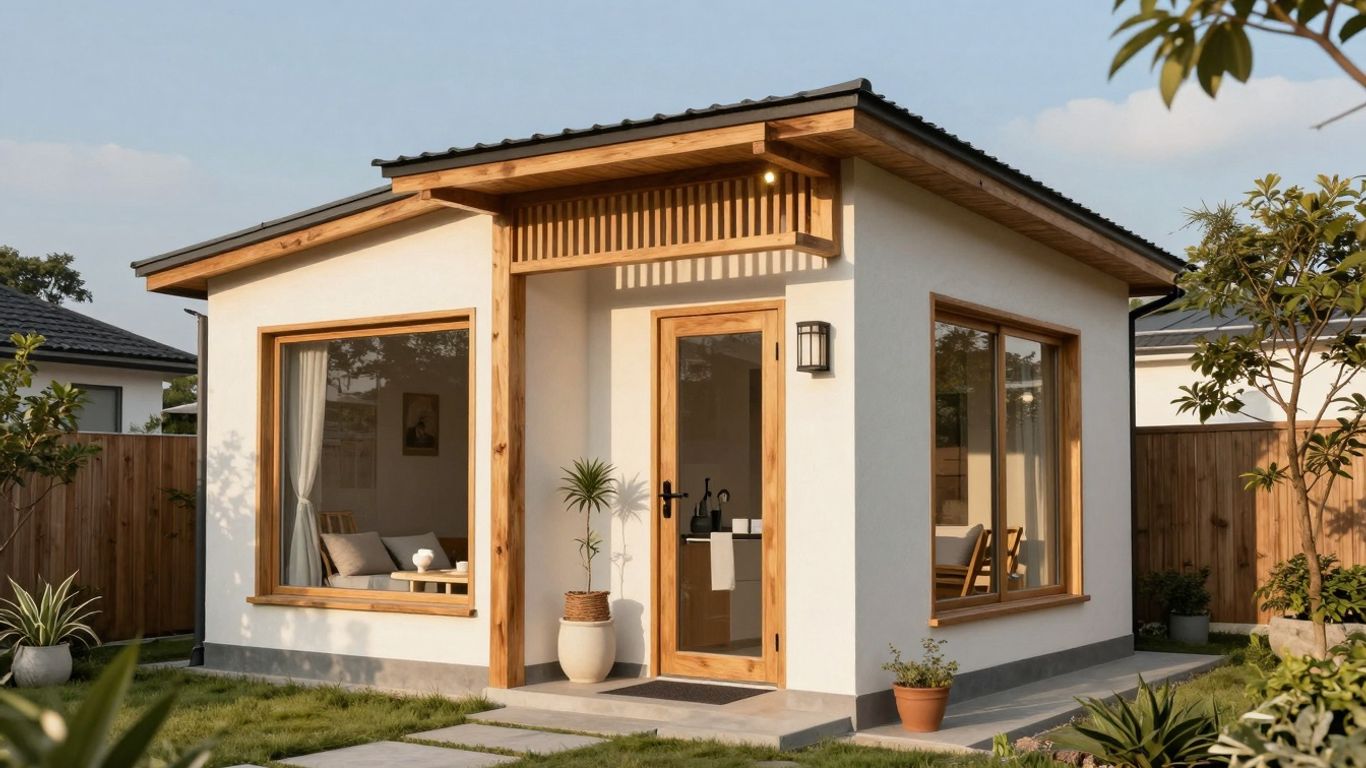
Thinking about how to actually make your small house plan work is where the fun really begins. It’s not just about picking a size; it’s about figuring out how to make every square foot count. Luckily, we live in a time where technology makes this easier than ever. You don't need to be an architect to sketch out your dream home.
Utilizing Online Floor Planners
These days, you can find some really neat online tools that let you draw up floor plans right in your browser. No downloads required, just jump in and start designing. It’s a great way to get a feel for different layouts without any commitment. You can map out walls, place windows and doors, and even start thinking about where furniture might go. It’s like playing with digital LEGOs for your house. You can even get a detailed 2D and 3D floor plan of your space. It’s a smart move to measure your existing space first, or the area you plan to build on, so you have accurate dimensions to work with. This helps keep everything to scale as you design.
Exploring Diverse Small House Designs
Sometimes, you just need to see what others have done. Browsing through different small house plans can spark ideas you hadn't even considered. Look at tiny homes, modern cabins, or even compact urban dwellings. You might find that a layout you thought wouldn't work actually has a clever solution for your needs. Think about how different styles handle storage, natural light, and flow between rooms. Seeing a variety of approaches can really open up your own possibilities.
Visualizing Your Space with 3D Technology
Once you have a basic layout, switching to a 3D view is a game-changer. It lets you walk through your design, see how light hits different areas, and get a real sense of the scale. You can experiment with paint colors, flooring, and even add virtual furniture to see how it all fits. This step is super important for catching potential issues before they become real problems. You can even generate realistic images or 360° tours to really get a feel for the space.
Designing a small home doesn't mean sacrificing style or comfort. With the right tools and a bit of creativity, you can craft a space that feels both functional and inviting. It’s all about making smart choices with your layout and design elements.
Here are a few things to keep in mind when you're playing around with your designs:
- Flow: How do you move from one room to another? Avoid layouts that create awkward dead ends or force you to walk through busy areas to get somewhere else.
- Light: Where will natural light come from? Think about window placement and how it affects the feel of each room throughout the day.
- Storage: This is huge in small homes. Look for opportunities to build in storage wherever possible, from under stairs to clever shelving solutions.
- Multipurpose Areas: Can a dining nook also serve as a workspace? Thinking about dual-purpose areas saves valuable space.
Customizing Your Small House Plan Design
So, you've found a small house plan that's got a lot going for it, but it's not quite you yet. That's totally normal! The beauty of working with a house plan, even a small one, is that you can often tweak it to fit your life perfectly. It's not about settling; it's about making it your own.
Tailoring Plans to Your Lifestyle
Think about how you actually live. Do you work from home and need a dedicated office space, or is a corner nook enough? Maybe you love to cook and want a bigger kitchen island, or perhaps you rarely entertain and a smaller dining area is fine. These are the kinds of things you can adjust. Even small changes, like moving a wall a few feet or swapping a tub for a larger shower, can make a big difference in how a space feels and functions for you.
- Assess your daily routines: What activities take up the most time and space?
- Prioritize your needs: What features are non-negotiable, and where can you compromise?
- Consider future needs: Will your family grow, or will your hobbies change?
Making a small house plan work for you means looking beyond the basic layout and thinking about how each room will serve your specific needs. It's about creating a home that feels comfortable and practical, not just a smaller version of a big house.
Incorporating Outdoor Living Areas
Don't forget the space outside your walls! A small house doesn't have to mean being confined. Adding a well-designed patio, a screened-in porch, or even just a nice deck can dramatically expand your usable living area, especially during warmer months. It's like adding an extra room, but with fresh air and a view. You can find some great small modern house plans that already integrate these features nicely.
Adding Lofts and Bonus Spaces
When you're really trying to maximize every square inch, think vertically. Lofts are a fantastic way to add extra space without increasing the footprint of the house. They can be used as a cozy bedroom, a home office, a play area for kids, or just extra storage. Even a small bonus room or a finished attic can provide that much-needed extra flexibility. It’s amazing what a little extra height can do for a small home's utility.
Modern and Sophisticated Small House Plan Design
Elevating Ceilings for Spaciousness
Making a small house feel big often comes down to playing with perception. One of the most effective ways to do this is by playing with ceiling height. Think about adding vaulted or tray ceilings, especially in main living areas. These architectural details add visual interest and a sense of openness without taking up extra floor space. Even just raising the ceiling in a central part of the home, like the living room or kitchen, can make a surprising difference, making the area feel much larger and brighter. It’s a smart trick that designers use to give compact homes a more expansive feel.
Creating Visual Connectivity
Another trick to make a small house feel more open is to create clear lines of sight. This means designing the layout so that your eye can travel easily from one space to another, blurring the boundaries between rooms. Think about open-concept layouts where the kitchen, dining, and living areas flow together. You can also use internal windows or transom windows above doorways. These let light pass through and maintain a visual connection between spaces without sacrificing privacy. It helps the whole house feel more connected and less chopped up.
Avoiding Awkward Areas in Layouts
When designing a small home, it’s easy to end up with odd, unusable corners or tight spots. A good modern design pays attention to these potential problem areas. This might involve clever built-in storage solutions that fit perfectly into nooks, or furniture placement that makes a tight space feel intentional rather than cramped. Sometimes, it’s about rethinking a doorway or a wall placement slightly to improve the flow. The goal is to make every square foot count and feel like it has a purpose, so there are no wasted or awkward zones.
When you're aiming for a modern and sophisticated look in a small house, it's all about smart choices. It's not about having a lot of space, but about using the space you have in the best way possible. Think clean lines, good flow, and details that make a big impact.
Your Small House Dream, Made Real
So, you've looked through a bunch of ideas and maybe even played around with some floor plans online. It's pretty cool how much you can do with a smaller space, right? It's not just about saving money, though that's a big plus. It's about making a home that really fits how you live, with everything you need and nothing you don't. Whether you're drawn to a cozy cabin vibe or a sleek modern look, there are tons of ways to make a small house feel just right. Don't be afraid to get creative and remember, the best plan is the one that makes you happy to walk through the door every single day.
Frequently Asked Questions
What makes a house considered 'small'?
A small house is generally thought of as a home with less than 2,000 square feet of living space. But really, it's about how well the space is used. These homes focus on smart layouts and making every corner count, often featuring open areas, rooms that do double duty, and clever storage spots. They're great for people starting out, those looking to downsize, or anyone wanting to save on upkeep and energy costs while still living comfortably and stylishly.
Why should I pick a small house plan?
Choosing a small house plan means you get a great mix of smart design, lower costs, and cozy charm. Smaller homes are usually easier to clean and take care of. They also use less energy for heating and cooling, saving you money. Building them often costs less too, both in materials and labor. Plus, these plans are made to feel bigger with open layouts, rooms that can be used for different things, and smart storage ideas.
Can a small house actually feel big and open?
Absolutely! Thoughtful design can make a small home feel much larger. Open layouts help rooms flow into each other. High ceilings and big windows let in more light and air, making the space feel airy. Using furniture that serves more than one purpose and building in storage also helps save space. Sometimes, adding outdoor areas like a patio can even make your living space feel bigger.
How can I make my small house feel modern and stylish?
You can definitely make a small house feel modern and chic! Raising the ceiling height in certain areas, like the living room, can make it seem much bigger and brighter. Vaulted or tray ceilings add cool architectural details without taking up floor space. Also, think about how you arrange things to create clear paths for walking and looking around – this makes the space feel more open. Using large windows that connect indoor and outdoor views also helps a lot.
What are some tips for designing a small house layout?
When planning your small house, think about how you'll move around. Try to create straight pathways instead of ones that cut across rooms awkwardly. Be smart about where doors open so they don't block furniture or create wasted space. Using furniture that can be used for different things, like an ottoman with storage, is also a great way to make the most of every spot. Online tools can help you test out different layouts before you build.
How can I use technology to help design my small house?
Technology is a huge help! Free online floor planners let you draw out your ideas, place windows and doors, and even add furniture to see how it all fits. Many of these tools offer 3D views, so you can walk through your design virtually. This lets you experiment with different layouts and see how light will work in your space before you commit to building. You can even create realistic pictures or 360-degree tours to get a real feel for your future home.
Book Your Project Consultation