.png)
Your Guide to the Custom Home Builder Journey in Oklahoma
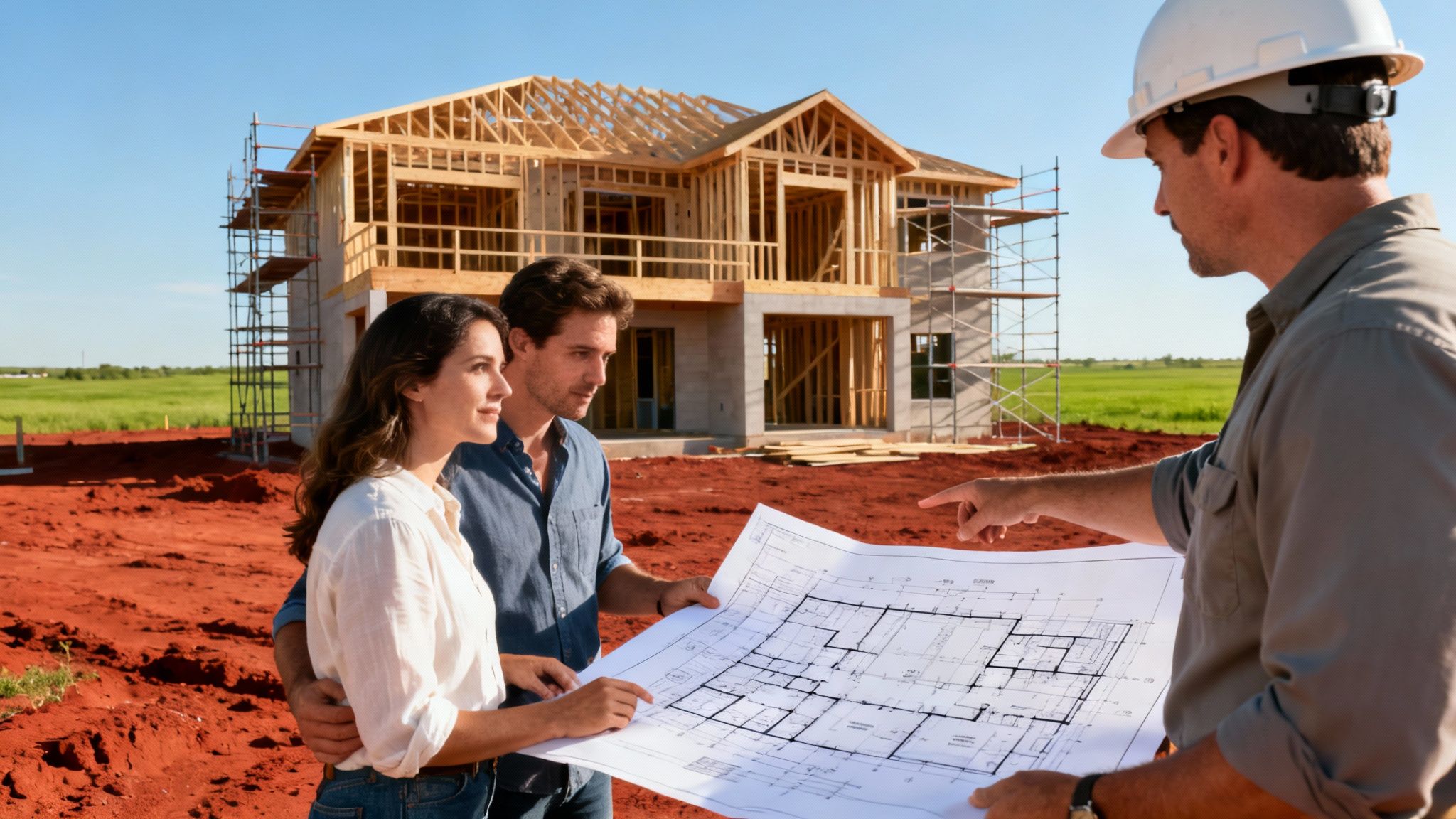
Imagine a home not just built for anyone, but built specifically for you. What if every room, every window, and every doorway was designed around your family’s unique rhythm? This is the dream that pulls families in Oklahoma toward a home builder custom experience, leaving the one-size-fits-all world of production homes behind.
This guide is your first step. We’ll walk you through the real-world process of creating a home that’s a true reflection of your life. With over 15 years of experience building across the state, from the suburbs of Edmond and Moore to rural acreages in Guthrie and Macomb, ACET Custom Homes understands that this journey is about more than just construction—it’s about bringing your vision to life.
Creating a Home That Truly Fits Your Life
Production homes, often called spec or tract homes, are built for speed and efficiency. A builder offers a few pre-set floor plans, builds them quickly, and you get a home fast. While practical, this approach often forces you to compromise on the details that make a house truly feel like your home.
This is where the magic of working with a custom home builder comes in. It’s not about being different for the sake of it; it's about intentional living. It’s crafting a kitchen that becomes the true heart of your home, perfectly laid out for family gatherings. It’s designing a home office that boosts your focus or an outdoor living space made for enjoying those perfect Oklahoma evenings.
Personalization Goes Deeper Than Just Finishes
When people hear "custom," they often think of choosing countertops and paint colors. But with a true custom home builder, you are in control of the entire project from the ground up.
- Design a one-of-a-kind floor plan: Your family’s routine is unique. Your home’s layout should be, too, whether that means a sprawling open-concept living area or quiet, private nooks for everyone.
- Choose the perfect spot: You select the ideal lot, from a wooded acre in Shawnee to a scenic view near Norman, and position your home to capture the best natural light and vistas.
- Add features that matter to you: Need a dedicated workshop, a comfortable in-law suite, or specialized storage for your hobbies? A custom build makes it possible in a way a production home never could.
A custom home isn't just a structure; it's a personal statement, crafted to support your family's story for years to come. Think of it like this: you can buy a suit off the rack, or you can have one perfectly tailored to you.
This isn’t just a local trend. People are prioritizing quality and personalization more than ever. Data from the National Association of Home Builders (NAHB) shows that custom home building saw a 4% increase in starts in just one quarter, making up nearly 19% of the entire single-family market. People are choosing to invest in homes that are built to last.
Charting the Course: Your Design-Build Journey
Going from a rough idea scribbled on a napkin to holding the keys to your finished home is a thrilling adventure. When you know what to expect, that journey becomes less about stress and more about seeing your vision come to life, one step at a time. A professional design-build process isn't a mystery; it's a well-worn path. With over 15 years of building homes in Oklahoma, we’ve honed our process into a predictable, client-first system.
This journey is a world away from the cookie-cutter approach of a production builder. It’s a true collaboration. The infographic below highlights the fundamental differences between the two paths.
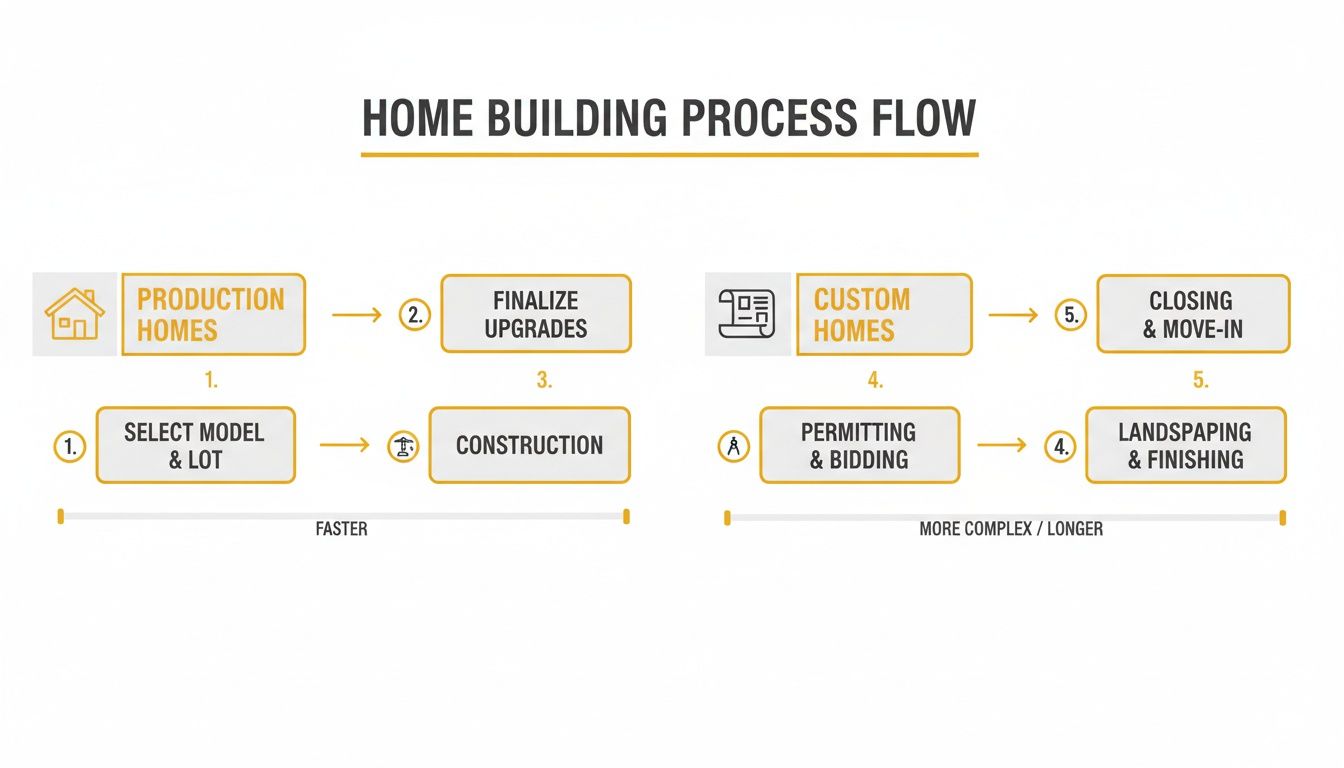
You can see how much time and energy a custom build invests in design and planning. That's intentional—we get every single detail right on paper before a single shovel of dirt is moved.
The 7 Stages of Building Your Custom Home
Your dream becomes a reality through a proven, structured process. Let’s walk through each stage so you know exactly what’s coming.
- Discovery & Vision: This is where we sit down and simply talk—about your dreams, your family's needs, and how you want to live in your new home. We’ll discuss where you want to build, whether it's a lot in Norman or rural acreage out near Chickasha, and get a feel for your budget.
- Evaluating Your Land: In Oklahoma, your land dictates everything. Before we design, we conduct a thorough site evaluation. We’ll look at the soil—especially the expansive clay common around OKC—check topography, plan for drainage, and map out utility access. This critical step prevents expensive foundation surprises.
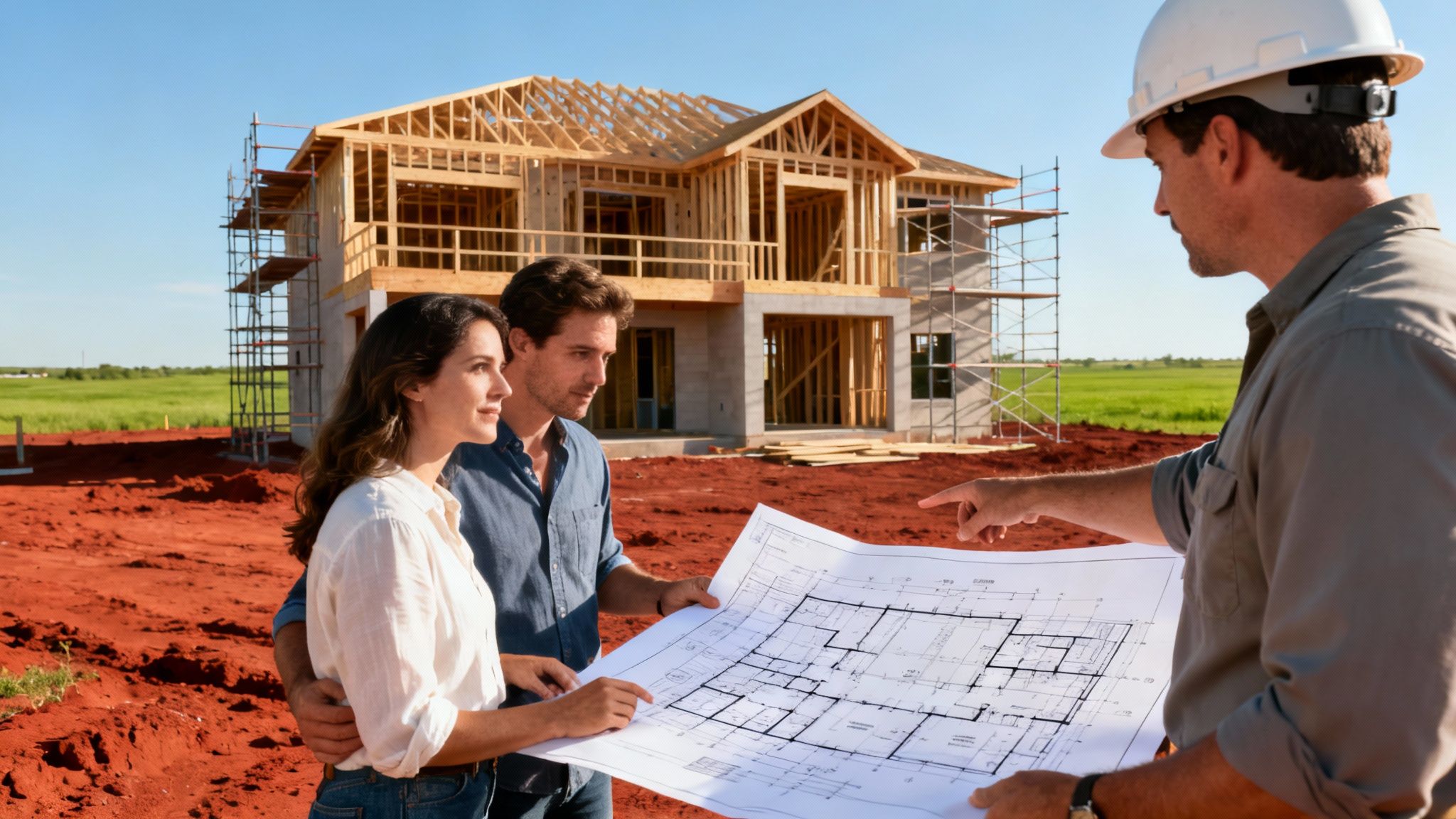
- Architectural Design & Engineering: Here, your ideas become blueprints. Working with talented architects, we’ll craft a floor plan that’s uniquely yours. Then, our engineers ensure the structure is as solid and durable as it is beautiful.
- Selections & Fine-Tuning the Budget: This is where you infuse the home with your personal style. You’ll choose everything from roofing and exterior stone to flooring and light fixtures. As you make each decision, we provide transparent, real-time pricing to keep the budget on track.
- Permitting & Pre-Construction Prep: With the design locked in, we handle the red tape. Our team submits all plans to the local authorities in your city or county to secure building permits. Behind the scenes, we’re finalizing the construction schedule and lining up our trusted trade partners.
- Construction: From pouring the slab foundation to framing, roofing, and installing systems like HVAC and plumbing, your home will visibly take shape. We provide regular updates so you’re always in the loop.
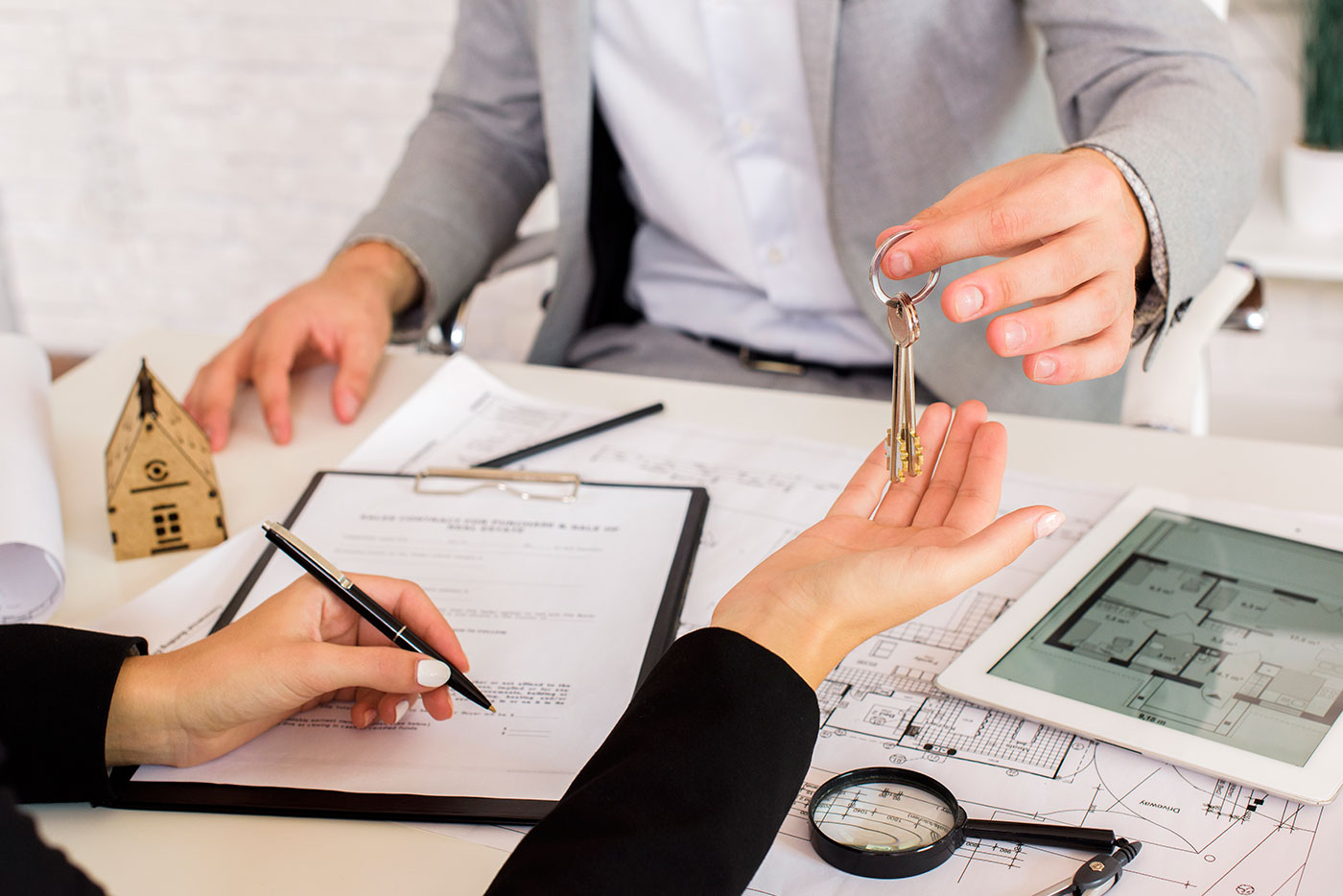
- Final Walkthrough & Handing Over the Keys: Once construction is complete, we'll walk through the finished home with you for a meticulous final inspection. We’ll show you how all the systems work and address any final details. After that, we hand you the keys to your dream home.
A design-build project is a true partnership. Its success is built on a foundation of clear communication, mutual trust, and a shared passion for quality, from the first sketch to the final handshake.
Each step is vital. To get an even more detailed look, check out our in-depth guide to the custom home building process.
What Does a Custom Home in Oklahoma Actually Cost?
Let’s tackle the number one question: what’s the price? The honest answer is, there's no single number. The final cost of a custom home is a direct reflection of the thousands of choices you'll make, from the ground up.
From buying that perfect plot of land in Moore to choosing the final paint colors for your new home in Deer Creek, every decision has a price. The goal is to understand the major cost categories so you can invest your money where it matters most to you.
The Big Pieces of Your Custom Home Budget
The final price is much more than just the house itself. A few major factors lay the groundwork for your total project cost.
Land & Site Prep: This is square one. It’s not just the price of the lot; it’s the work needed to make it build-ready. This includes clearing trees, grading for proper drainage, and connecting utilities like water, septic, and power—especially on rural lots around Macomb or Elmore City. HUD estimates site prep can be 3% to 8% of the total project, but that can vary widely in Oklahoma.
Foundation: Our expansive clay soil makes the foundation one of the most crucial—and variable—costs. A standard slab-on-grade foundation works for many, but some sites require a more robust post-tension slab or even a basement, which significantly changes the cost.
Framing & Exterior: This is the skeleton and skin of your home. The price here is shaped by architectural complexity, lumber costs, and your choices for roofing, siding (like brick versus stone), and windows.
Where Your Selections Drive the Bottom Line
While the structure sets your baseline cost, your personal choices on finishes are where you have the most control. This is where you can go all-out on a gourmet kitchen or choose budget-friendly options elsewhere.
Building a custom home is an exercise in balancing priorities. When you know the real cost difference between quartz and granite, you can confidently put your money toward the features that will bring you the most joy and lasting value.
The table below shows how different material selections can impact your budget.
Comparing Custom Home Material and Finish Costs
This table illustrates the budget impact of common material choices, helping homeowners understand where costs can vary significantly.
An experienced partner like ACET Custom Homes will walk you through clear, line-item pricing, so you can design a home that’s not only stunning but also comfortably within your budget.
Finding the Perfect Lot for Your Build
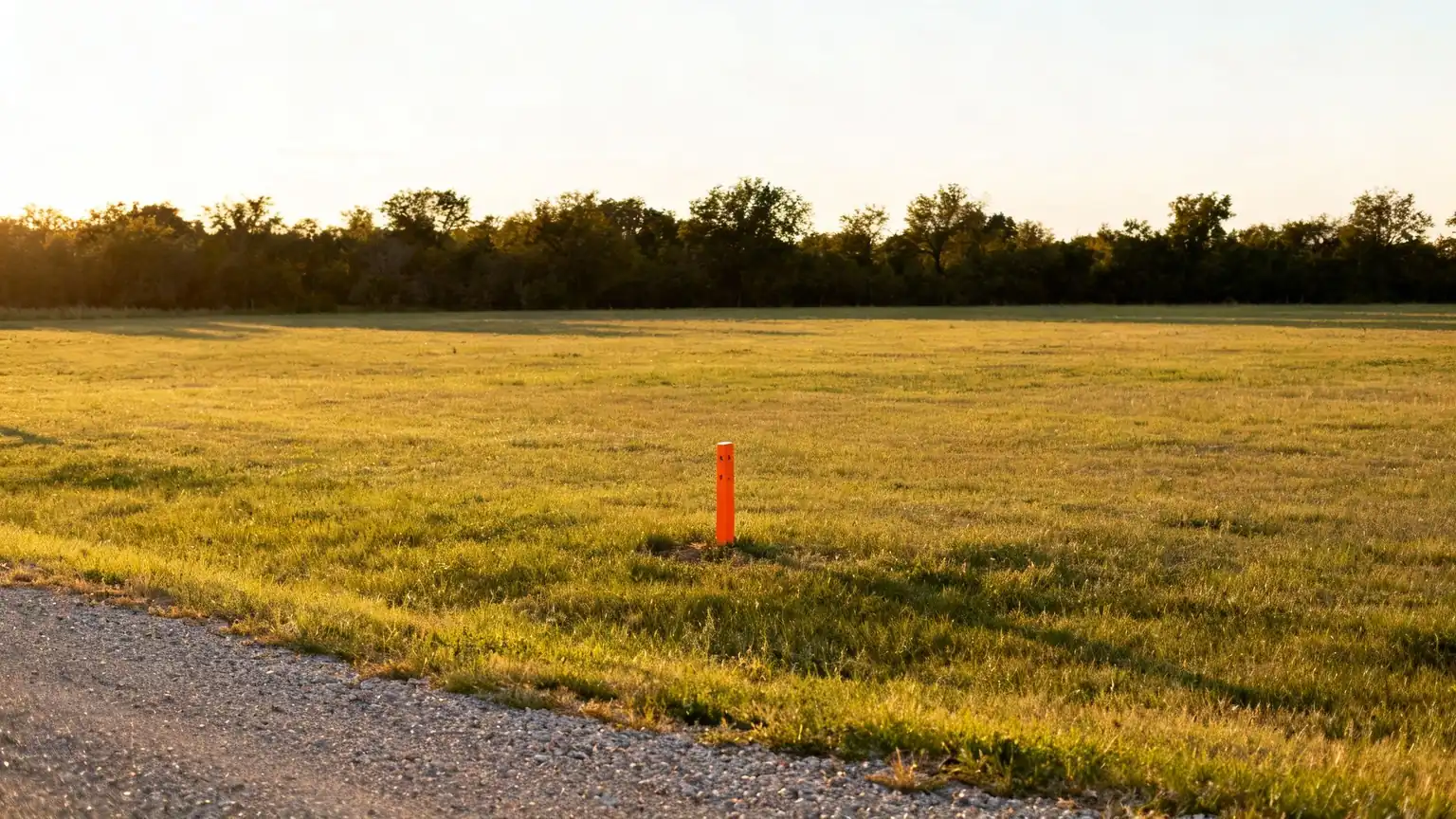
It's easy to get swept up in beautiful floor plans, but the real foundation of your dream home isn't concrete—it's the land you build on. The success of your project hinges on starting with the right property. Whether you're eyeing a quiet suburban plot in Edmond or a sprawling acreage near Shawnee, a skilled home builder custom expert always starts with a thorough site analysis.
This isn't just about picking a great view; it's about preventing expensive headaches later. An experienced builder sees a plot of land through a different lens, spotting hidden opportunities and potential pitfalls that dictate your home's design, foundation, and budget. With over 15+ years of experience, this is where ACET Custom Homes' expertise helps you turn a raw piece of Oklahoma land into the perfect homesite.
Your Actionable Site Selection Checklist
Before you fall in love with a property, walk it with a builder's eye. Every lot has its quirks. Here’s a practical checklist to ensure the land can support the home you want.
- Zoning and Deed Restrictions: First, confirm the land is zoned for residential use. Then, dig into any deed restrictions or covenants. These rules can control everything from your home's minimum square footage to the color of your front door.
- Utility Access: Never assume utilities are a given, especially on rural lots near towns like Chickasha or Elmore City. Know where the nearest hookups for water, electricity, and sewer are. If they're not there, you'll need to budget for drilling a well and installing a septic system.
- Topography and Drainage: Is the land flat or sloped? A sloped lot can offer incredible views, but it almost always means more complex and expensive foundation work. Proper drainage is critical in Oklahoma to keep water away from your home.
- Soil Conditions: Oklahoma is famous for its expansive clay soil, which can wreak havoc on foundations if not handled correctly. A professional soil test is a must. It tells your builder exactly what kind of foundation your home needs—be it a standard slab-on-grade or a more robust post-tension slab.
Bringing in a builder during site selection isn’t a luxury; it’s a necessity. It’s the difference between starting on solid ground and discovering years from now that you have to deal with unexpected excavation bills, foundation repairs, or persistent drainage issues.
Sloped vs. Flat Land: What's the Real Difference?
The choice between a flat and a sloped lot has a major impact on your budget and design.
The "perfect" lot is the one that fits your vision and your budget. For a deeper dive, check out our guide on how we help clients build on their lot in Oklahoma.
How to Interview Your Custom Home Builder
Choosing the right person to build your home is the most important decision you'll make. You’re not just hiring a contractor; you're finding a partner who will protect your vision, budget, and peace of mind.
The interview is your chance to look beyond a beautiful portfolio and see how they really operate. Asking the right questions now gives you the confidence to move forward with a team that truly gets it.
Questions About Process and Communication
How a builder handles the day-to-day details tells you everything. You want clear, confident answers that show they have a system for everything.
- How do you manage project timelines and what happens when there are delays? A great builder will show you the project management software they use, explain how they schedule trades, and have a clear plan for communicating delays. Look for transparency and a plan, not just empty promises.
- Who will be my main point of contact? You need one person you can call or text with a question. A dedicated project manager is crucial for clear communication.
- Can you walk me through your change order process? Changes are a normal part of building a custom home. A professional will have a simple, written process for documenting changes, getting your approval on the cost, and officially updating the plan.
Digging into Quality and Materials
A builder’s true reputation is built with the materials they use and the standards they hold. Don't just ask if they "build a quality home." Ask them how they deliver on that promise.
- What brands and materials do you typically use for things like windows, insulation, and HVAC systems? A builder who proudly names specific, reputable brands shows they value long-term durability over saving a few bucks upfront.
- How do you handle warranty issues after we move in? A great builder stands behind their work with a clear, written warranty and a simple process for you to submit a claim. Ask for a copy of their warranty.
- What energy-efficiency features are standard in your homes? This is a huge deal in Oklahoma. Look for a builder who can talk specifics about high-performance insulation, Low-E windows, and modern framing techniques that go beyond code. It proves they’re building for your long-term comfort and lower utility bills.
The U.S. home building industry is a massive field, projected to reach a market size of $166.9 billion. In a market this large, the best builders stand out by proving they have superior processes and a commitment to quality. You can find more home building market trends on IBISWorld.com to see for yourself.
A builder's answers should give you more than just information; they should give you confidence. Vague responses are a red flag. A builder who is proud of their process will be excited to share the details with you.
With over 15 years of experience building homes all across Oklahoma, we’ve designed the entire ACET Custom Homes process around honest communication and an absolute refusal to compromise on quality.
Building an Energy Efficient Home for Oklahoma's Climate
When you choose to build a custom home, you get to call the shots on more than just floor plans. You have the power to create a home that’s genuinely smart. Here in Oklahoma, where we get everything from blistering summer heat to frigid winter winds, an energy-efficient home isn't a perk—it's essential for your comfort and your wallet.
This isn’t just a local idea; it’s part of a bigger shift. The global residential construction market is expected to jump from $5.3 billion to $8.3 billion within the next ten years, with a huge emphasis on sustainable building. You can see these residential construction market insights on ServiceTitan.com. By focusing on energy efficiency now, you’re making a smart investment for the future.
Core Features of an Efficient Oklahoma Home
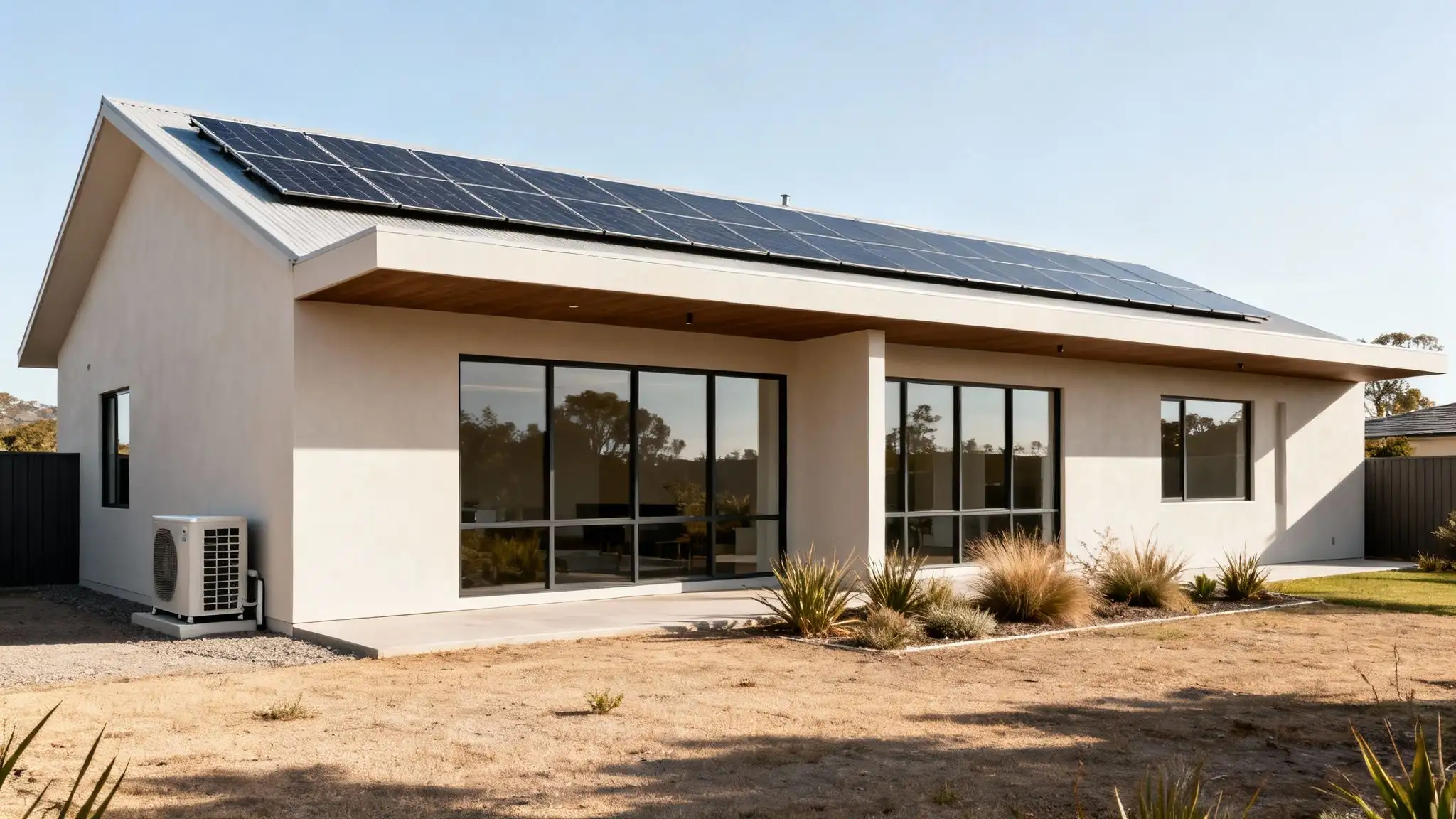
Think of energy efficiency as a complete system. The goal is to create a tightly sealed, well-insulated "thermal envelope" that keeps the unpredictable Oklahoma weather out and your conditioned air in.
- High-Performance Insulation: This is your home's first defense. Advanced options like spray foam create an airtight seal in your walls and attic, stopping drafts and preventing expensive conditioned air from escaping.
- Advanced Framing Techniques: Smart framing methods allow us to use less lumber in the walls. This reduces "thermal bridging" (where heat transfers through wood) and leaves more room for insulation.
- Low-E Windows: In our sunny state, Low-emissivity (Low-E) windows are a game-changer. They have a microscopic coating that reflects infrared heat, keeping your home cooler in the summer without blocking natural light.
- Geothermal HVAC Systems: A geothermal system taps into the earth's stable underground temperature to heat and cool your home. While the upfront cost is higher, it can slash your heating and cooling expenses by up to 70%—a massive return on investment.
The Real-World Benefits of Building Smart
Investing in these features pays you back every single day—and on your monthly utility bills.
Choosing to build an energy-efficient home is one of the smartest financial decisions you can make. You’re not just lowering your utility bills; you’re increasing your home’s resale value and creating a healthier indoor environment for your family.
The advantages are clear and compelling:
At ACET Custom Homes, these features aren't afterthoughts; they are fundamental to how we build. To see what’s possible, take a look at our complete guide to energy efficient home features designed specifically for Oklahoma living.
Your Custom Home Questions, Answered
Jumping into the world of custom home building brings up a lot of questions. We’ve put together answers to some of the most common things people ask us in Oklahoma City, Edmond, and the surrounding areas.
How Long Does It Take to Build a Custom Home?
From our first design meeting to handing you the keys, building a custom home in Oklahoma typically takes about 12 to 18 months. This can vary based on design complexity, permitting in cities like Moore or Norman, or even weather delays. We spend the first few months perfecting the design and planning, ensuring a smooth process once we break ground.
What’s the Real Difference Between a Custom Home and a Spec Home?
It all comes down to who is in control.
- Custom Home: This is your project from day one. You partner with a builder like ACET Custom Homes to find the lot, design a floor plan from scratch, and hand-pick every finish. The home is built for you, and only you.
- Spec Home: The builder makes all the decisions. They build a house on their own terms, using their plans and finishes, before a buyer is involved. You buy what's already built, with little to no room for personalization.
Is It Cheaper to Buy or Build a Custom Home?
While the initial sticker price of building custom can seem higher than buying an existing house, it's often the smarter long-term financial move. You get exactly what you want, so there's no need to budget for future renovations. Everything is brand-new and covered by a builder's warranty, meaning no surprise repair bills. Plus, modern energy efficiency leads to lower utility bills month after month—a huge win in Oklahoma.
What Is the Very First Step to Building a Custom Home?
Before anything else, get your financing in order. It's tempting to jump into dreaming up floor plans, but knowing your budget is the true foundation of the project. Getting pre-approved for a construction loan provides a realistic financial framework. It allows our home builder custom team to guide you toward designs and features that fit comfortably within your means, ensuring the process is exciting, not stressful.
Ready to design your custom home? Schedule a free consultation with ACET Custom Homes today.
Book Your Project Consultation