.png)
Timeline for Building a Home in Oklahoma: 10 Critical Phases
Building your dream home is one of life's most exciting endeavors, but it can also feel overwhelming without a clear roadmap. The biggest question new clients ask is about the timeline for building a home: how long will it take from the first architectural sketch to the final key handover? In Oklahoma, where factors like weather, expansive clay soil, and local permitting can vary significantly between metro areas like OKC and Edmond and rural towns like Macomb or Elmore City, understanding each phase of the build is absolutely critical for a successful project.
This comprehensive guide demystifies the entire custom home building process, providing a transparent, phase-by-phase breakdown. With over 15 years of build experience constructing luxury residences and modern farmhouses across Oklahoma, from the suburbs of Deer Creek to the open lands of Guthrie, ACET Custom Homes has refined this timeline into a predictable and manageable journey. This article will solve the problem of uncertainty by providing a clear blueprint for what to expect.
We will walk you through 10 essential phases of a custom build, giving you realistic timeframes, insider builder insights, and actionable steps you can take to keep your project on track. Our goal is to ensure your vision becomes a reality without the stress of unnecessary delays or budget surprises. Consider this your definitive guide to navigating the timeline for building a home in Oklahoma with confidence and clarity.
1. Phase 1: Planning and Design - From Vision to Blueprint (4-12 Weeks)
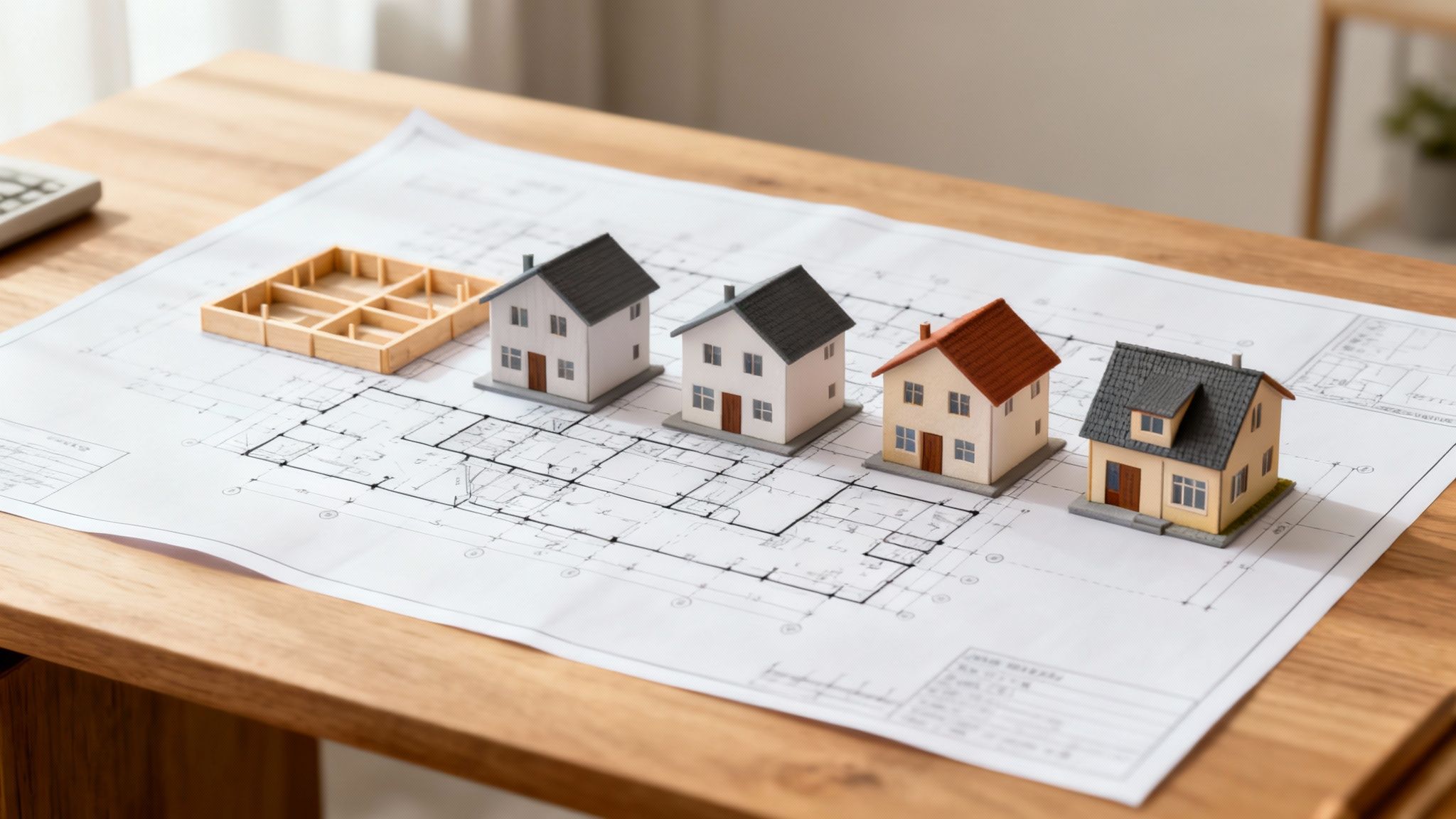
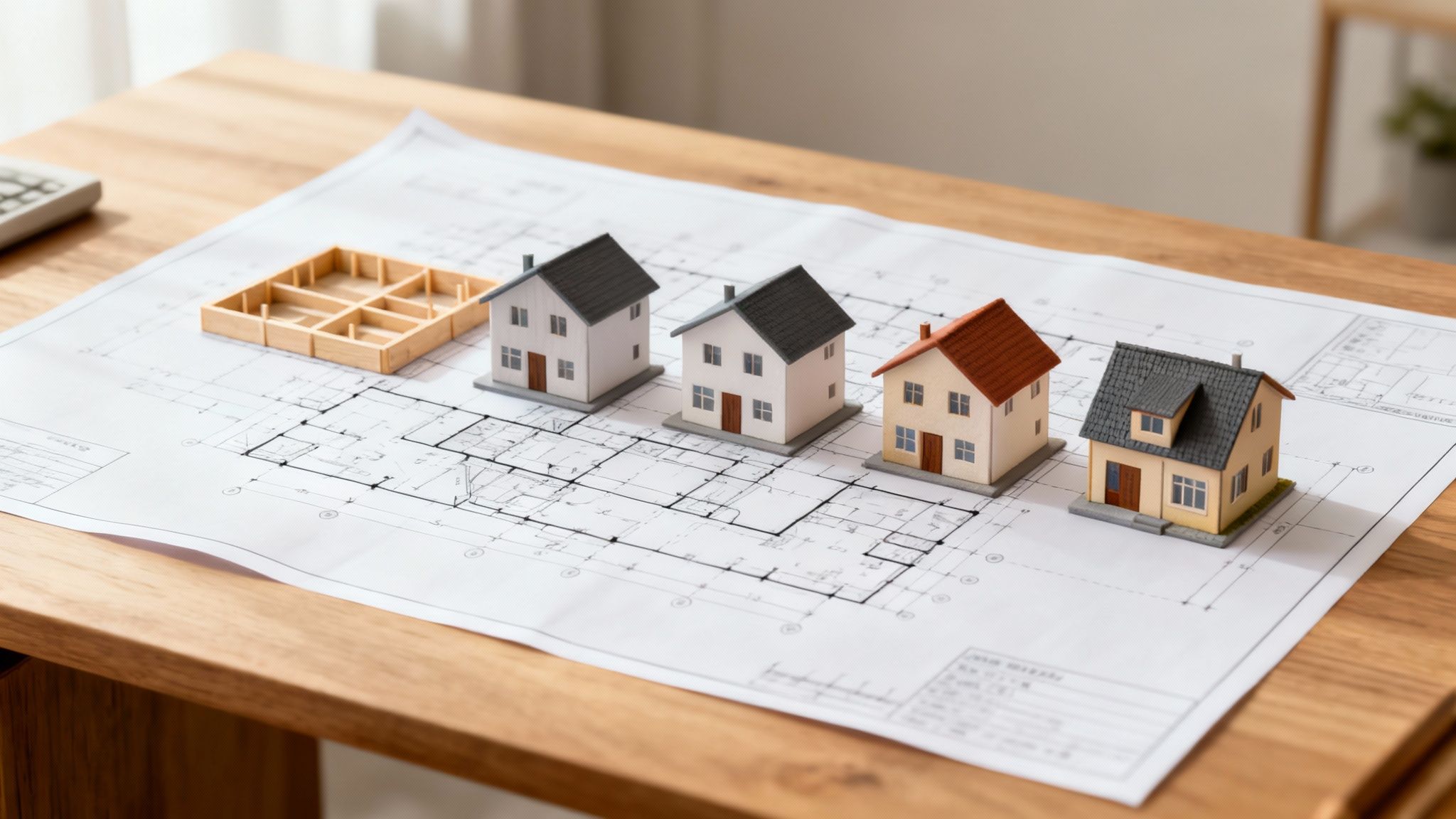
The Planning and Design phase is the most critical part of your custom home building timeline. This foundational stage is where your abstract ideas are transformed into concrete, buildable plans. It’s where you and your chosen team of architects, designers, and builders collaborate to define every detail, from the overall square footage and room layout to the specific aesthetic style and materials.
Lasting anywhere from four to twelve weeks, the duration of this phase is directly influenced by the complexity of your design and how quickly decisions are made. A simple, modern farmhouse in a more rural Oklahoma setting like Macomb might move faster than a highly intricate, multi-level luxury estate in Edmond with unique architectural features. This is the time to translate your vision into a blueprint that serves as the instruction manual for the entire construction process.
Key Activities in the Planning and Design Phase
- Architectural Design: Creating initial sketches, detailed floor plans, and exterior elevations. This iterative process involves refining layouts until they perfectly match your lifestyle and functional needs.
- Structural Engineering: A structural engineer will work alongside the architect to ensure the home's design is safe, stable, and compliant with local Oklahoma building codes, considering factors like soil conditions and wind load requirements.
- Material and Finish Selections: Choosing everything from siding and roofing materials to interior finishes like flooring, countertops, cabinetry, and fixtures. These choices heavily impact both the budget and the final look.
Builder Insight: We strongly recommend creating a detailed "must-have" versus "nice-to-have" list before your first design meeting. This simple exercise saves immense time and helps your design team prioritize what matters most, ensuring the final blueprint aligns perfectly with your budget and vision. For early-stage inspiration, you can even explore using an AI floor plan generator to visualize different layouts before meeting with an architect.
2. Phase 2: Permits and Approvals - Securing Legal Green Light (4-8 Weeks)
Once your blueprints are finalized, the next crucial step in the timeline for building a home is navigating the administrative maze of permits and approvals. This phase is where your detailed plans are submitted to local government agencies for review. It’s a non-negotiable legal requirement that ensures your new home will be safe, structurally sound, and compliant with all local building codes and zoning ordinances.
This administrative process can take anywhere from four to eight weeks, and sometimes longer. The duration depends heavily on the municipality’s workload, the complexity of your project, and the completeness of your application. For instance, obtaining permits in a rapidly growing area like Edmond might have a different timeline than in a smaller rural community like Guthrie. This stage acts as the final checkpoint before any physical work can begin on your property.
Key Activities in the Permits and Approvals Phase
- Application Submission: Your builder will formally submit the complete set of architectural and engineering plans to the local building department. This package includes everything from structural calculations and electrical layouts to plumbing diagrams and site plans.
- Plan Review: Municipal reviewers meticulously examine every aspect of your submission to verify compliance with building codes, zoning laws, and environmental regulations. If any issues are found, they will require revisions, which can extend the timeline.
- Permit Issuance: Once all plans are approved, the city or county issues the official building permits. This includes permits for general construction, electrical, plumbing, and mechanical systems. These documents must be posted on-site before construction starts.
Builder Insight: The most common cause for delays in this phase is an incomplete or inaccurate application. As a builder with 15+ years of experience, ACET Custom Homes handles the entire submittal process to ensure every detail is correct the first time, preventing needless back-and-forth with city officials. We recommend budgeting a minimum of six to eight weeks for this stage to create a realistic buffer in your overall timeline.
3. Phase 3: Site Preparation and Excavation - Breaking Ground (2-4 Weeks)
Once permits are in hand, the tangible work on your property begins. The Site Preparation and Excavation phase is where the raw land is sculpted into a build-ready canvas. This stage is all about transforming the natural terrain into a stable, accessible, and correctly graded foundation for your new home. It’s the first time you’ll see heavy machinery on-site, a clear sign that your vision is moving from paper to reality.
This critical phase in the timeline for building a home typically lasts two to four weeks. The duration depends heavily on the lot's condition; a flat, clear lot in a suburban area like Moore or Norman will take less time than a sloped, wooded parcel near Guthrie that requires extensive tree removal and grading. This stage sets the groundwork for everything that follows, ensuring a solid base for the foundation and proper drainage around your future home.
Key Activities in the Site Preparation and Excavation Phase
- Land Clearing and Grading: This involves removing trees, rocks, and any existing structures. The land is then graded to create the proper slope for drainage and a level pad where the house will sit, a crucial step for managing Oklahoma's heavy rains.
- Excavation: Heavy equipment digs out the area for the foundation, whether it’s a slab, basement, or crawl space. This step must be precise to match the blueprint's exact dimensions.
- Utility Trenching: Trenches are dug to run essential utility lines to the home site, including water, sewer or septic, gas, and electrical conduits. This ensures all services are in place before the foundation is poured.
Builder Insight: Before any digging begins, always document the existing site conditions with photos and videos. This provides a clear "before" record. Also, ensure your builder verifies all existing utility line locations by calling 811. Hitting an unmarked line can cause significant delays and costly repairs, disrupting your entire construction timeline. We cover more of these essential steps in our guide to the build on your lot process.
4. Phase 4: Foundation Installation - Setting the Stage for Success (3-6 Weeks)
Once the site is prepared, the construction timeline moves to one of its most defining stages: laying the foundation. This is the structural base upon which your entire home will rest, making precision and quality absolutely non-negotiable. Whether it’s a slab-on-grade, a full basement, or a pier-and-beam system, a properly installed foundation ensures stability, prevents future settling, and protects your investment for decades.
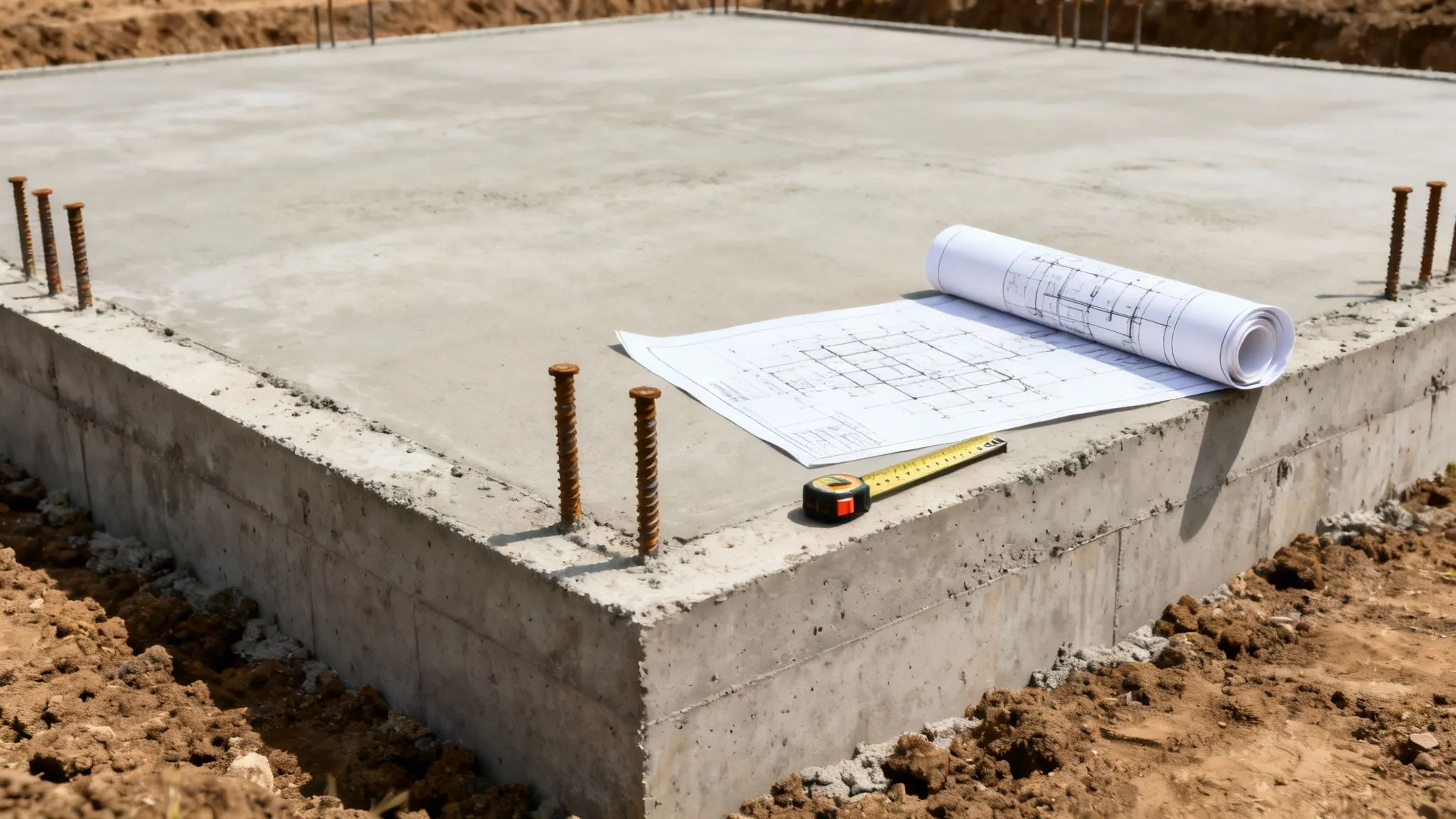
This critical phase typically takes three to six weeks, heavily dependent on the type of foundation, weather conditions, and the time required for inspections and concrete curing. For instance, a post-tension slab foundation, common in areas with expansive clay soil like much of Oklahoma, involves a complex process of formwork, plumbing and electrical rough-ins, rebar placement, and tensioning cables before the concrete is even poured. This meticulous work is the bedrock of your home's longevity.
Key Activities in the Foundation Installation Phase
- Formwork and Rough-ins: Wooden or metal forms are built to create the mold for the concrete. Plumbers and electricians will run initial pipes and conduits through this framework that will eventually be embedded within the slab.
- Pouring and Curing: Concrete is poured into the forms. This is followed by the crucial curing process, where the concrete hardens and gains strength over a period of 7 to 28 days. Proper moisture and temperature control during this time are essential to prevent cracking.
- Waterproofing and Drainage: For basement or crawl space foundations, applying waterproofing membranes and installing drainage systems like French drains is a vital step to prevent future moisture intrusion.
Builder Insight: We cannot overstate the importance of patience during the concrete curing phase. Rushing this step to save a few days on the timeline for building a home can lead to a weaker foundation and potential structural issues down the road. We always schedule a third-party engineering inspection post-pour to verify slab integrity before a single wall is framed.
5. Phase 5: Framing and Structural Work - The Skeleton Takes Shape (6-10 Weeks)
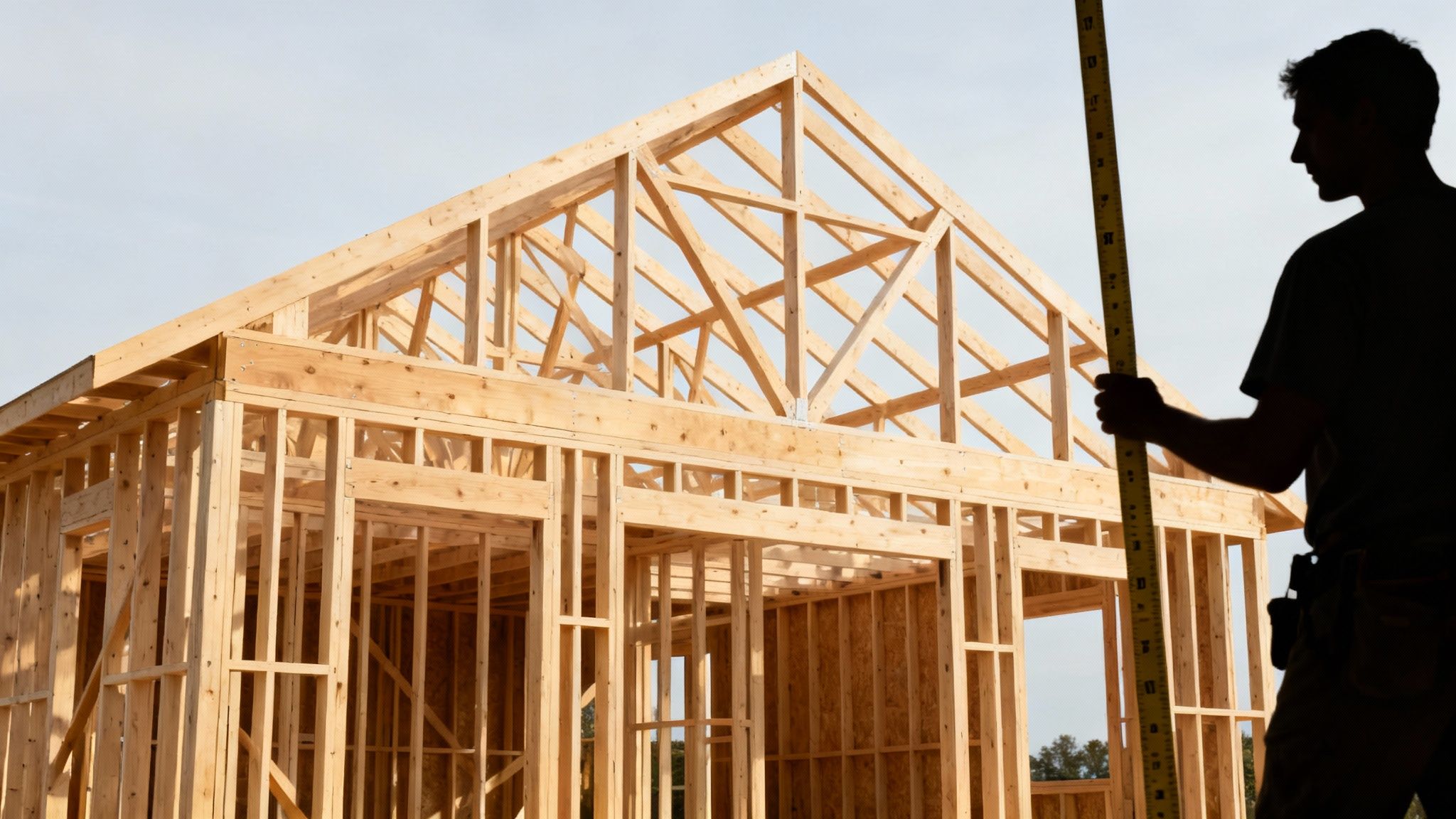
Once the foundation is cured and ready, the framing phase brings your home’s blueprint to life in three dimensions. This is arguably one of the most exciting parts of the timeline for building a home, as you finally see the structure rise from the ground. During this stage, the "skeleton" of your house is built, including the floor systems, walls, and roof structure, defining its shape and interior spaces.
Lasting between six and ten weeks, this phase moves quickly but requires precision. The crew will erect wall frames, install floor joists, and place roof trusses or rafters. The speed and efficiency here depend on the complexity of your home's architecture and Oklahoma's unpredictable weather. A sprawling single-story ranch in a rural area like Guthrie might be framed faster than a multi-level home with complex rooflines in a dense Edmond neighborhood, where material delivery can be more challenging.
Key Activities in the Framing and Structural Work Phase
- Floor and Wall Framing: Carpenters construct the subfloor and then assemble and raise the interior and exterior walls. This is when rooms, doorways, and window openings become clearly defined.
- Roof System Installation: Depending on the design, either pre-fabricated roof trusses are lifted into place by a crane, or a crew will stick-build the roof structure on-site. The roof is then sheathed with plywood or OSB to create a solid deck.
- Sheathing and House Wrap: The exterior walls and roof deck are covered in sheathing, providing structural rigidity. This is followed by installing a protective house wrap, which acts as a weather-resistant barrier, protecting the frame from moisture while allowing vapor to escape.
Builder Insight: Ensure your builder uses high-quality, straight lumber for framing. Minor warping or crowning in studs and joists at this stage can lead to noticeable issues later, such as uneven drywall or wavy floors. We also schedule a "frame walk" with our clients before any insulation or drywall is installed. This gives you a chance to walk through the physical space and make minor, non-structural adjustments, like moving an outlet or light switch location, much more easily than you could later on.
6. Phase 6: Rough-in Utilities (Electrical, Plumbing, HVAC) - Bringing the Home to Life (4-8 Weeks)
Once the home is framed and sheathed, the next critical step in the timeline for building a home is bringing its core systems to life. The rough-in phase is when licensed professionals install the complex network of wires, pipes, and ducts that will eventually power your lights, deliver your water, and control your climate. This work happens "in the rough" before any insulation or drywall is installed, allowing for a complete installation and crucial inspections.
This stage typically takes between four and eight weeks, depending on the home's size, the complexity of the systems, and the coordination between different trades. For instance, installing advanced smart home infrastructure or a zoned, high-efficiency HVAC system in a large Edmond estate will require more time than a standard setup in a more modestly sized home. This is the unseen circulatory and nervous system of your house, and getting it right is non-negotiable for future comfort and safety.
Key Activities in the Rough-in Utilities Phase
- Electrical Rough-in: Electricians run all wiring from the breaker panel to every outlet, switch, and light fixture location. This includes specialized wiring for major appliances, data lines for internet and entertainment, and any planned smart home features.
- Plumbing Rough-in: Plumbers install all water supply lines (both hot and cold) and drain lines throughout the house. This includes setting pipes for sinks, showers, toilets, and tubs, ensuring proper grading for drainage. Modern builds often use durable PEX plumbing for its flexibility and resistance to corrosion.
- HVAC Rough-in: The HVAC (Heating, Ventilation, and Air Conditioning) crew installs the furnace, air handler units, and all of the ductwork that will circulate conditioned air. They also run lines for refrigerant and exhaust vents.
Builder Insight: Before the drywall goes up, we insist on a "photo tour." Walk through the entire home and take detailed photos and videos of every wall and ceiling, capturing the exact locations of all wiring, plumbing, and ductwork. This visual record is invaluable years down the line when you want to hang a heavy picture, plan a minor renovation, or troubleshoot an issue without accidentally damaging a hidden pipe or wire.
7. Phase 7: Insulation, Drywall, and Interior Closure (4-6 Weeks)
Once the mechanical systems are in place, the home building timeline shifts to creating the interior environment. The Insulation, Drywall, and Interior Closure phase is where your house truly starts to look and feel like a home. This critical stage transforms the open framing into defined rooms, setting the stage for all the finishes that follow. It’s where thermal performance is locked in and the blank canvas for your interior design is created.
Lasting between four and six weeks, this phase focuses on making the home comfortable, energy-efficient, and visually complete on the inside. In Oklahoma, where we experience both hot summers and cold winters, proper insulation is not just a code requirement but a crucial investment in long-term comfort and lower utility bills. From sealing the building envelope in a rural Macomb home to achieving a flawless Level 5 drywall finish in a luxury Nichols Hills estate, this stage is all about precision.
Key Activities in the Insulation, Drywall, and Interior Closure Phase
- Insulation Installation: High-performance insulation, such as spray foam or blown-in fiberglass, is installed in all exterior walls, ceilings, and attic spaces. This is a key step in creating an airtight and energy-efficient building envelope.
- Drywall Hanging and Finishing: Sheets of drywall are hung, taped, and mudded to create smooth, seamless wall and ceiling surfaces. This multi-step process requires skill and patience to achieve a professional finish ready for primer and paint.
- Interior Priming: Once the drywall finishing is complete and has fully cured, a coat of primer is applied. This seals the new drywall and provides a uniform surface for the final paint colors to adhere to, ensuring a rich and even look.
Builder Insight: We advise clients to invest in the highest quality insulation their budget allows. Upgrading from standard batt to spray foam insulation, for example, can significantly improve your home's R-value and create a superior air seal. This upfront investment pays for itself over time through lower energy costs and enhanced comfort, a smart decision for any custom home in the Oklahoma climate. To better understand how this impacts your home's performance, you can explore more about energy-efficient home features and how they contribute to a superior build.
8. Phase 8: Interior Finishing (Flooring, Paint, Doors) (4-8 Weeks)
The Interior Finishing phase is where the raw structure of your house truly begins to feel like a home. This is the stage where character and personality are layered onto the bare drywall, transforming empty rooms into vibrant, livable spaces. It’s a visually rewarding part of the timeline for building a home, where your design selections come to life through color, texture, and detail.
Lasting anywhere from four to eight weeks, this phase involves a meticulous sequence of tasks that turn the construction site into a nearly finished interior. The duration depends on the size of the home and the complexity of the finishes. For example, installing intricate, high-end hardwood flooring throughout a large Edmond estate will naturally take longer than laying durable luxury vinyl plank (LVP) in a more moderately sized home in Shawnee. This is the critical period where the home’s interior aesthetic is established.
Key Activities in the Interior Finishing Phase
- Painting: Walls, ceilings, and trim receive their final coats of paint. This is often done before flooring is installed to prevent spills and damage. Modern homes frequently feature popular matte or eggshell finishes for a sophisticated look.
- Flooring Installation: The installation of all chosen flooring materials, such as hardwood, tile, carpet, or LVP, begins. The choice of material often reflects both the Oklahoma climate and the family's lifestyle needs.
- Door and Trim Installation: All interior doors, baseboards, window casings, and crown molding are installed and finished. This includes fitting custom doors and selecting hardware that complements the home's overall design.
Builder Insight: We advise clients to schedule painting only after all drywall and sanding work is complete to ensure a smooth, dust-free finish. Protecting newly installed floors is also paramount; we use heavy-duty coverings to prevent scratches and dings from subsequent trade work. Coordinating the installation of kitchen cabinets before certain types of flooring ensures a clean, seamless fit.
9. Kitchen and Bath Installation - Bringing Key Spaces to Life (4-6 Weeks)
This phase of the home building timeline is where some of the most visible and valuable areas of your home take shape. The kitchen and bathrooms are transformed from plumbed and wired shells into functional, beautiful spaces. This stage involves the meticulous installation of cabinets, countertops, sinks, faucets, and tile, creating the high-impact rooms that define a home's character and functionality.
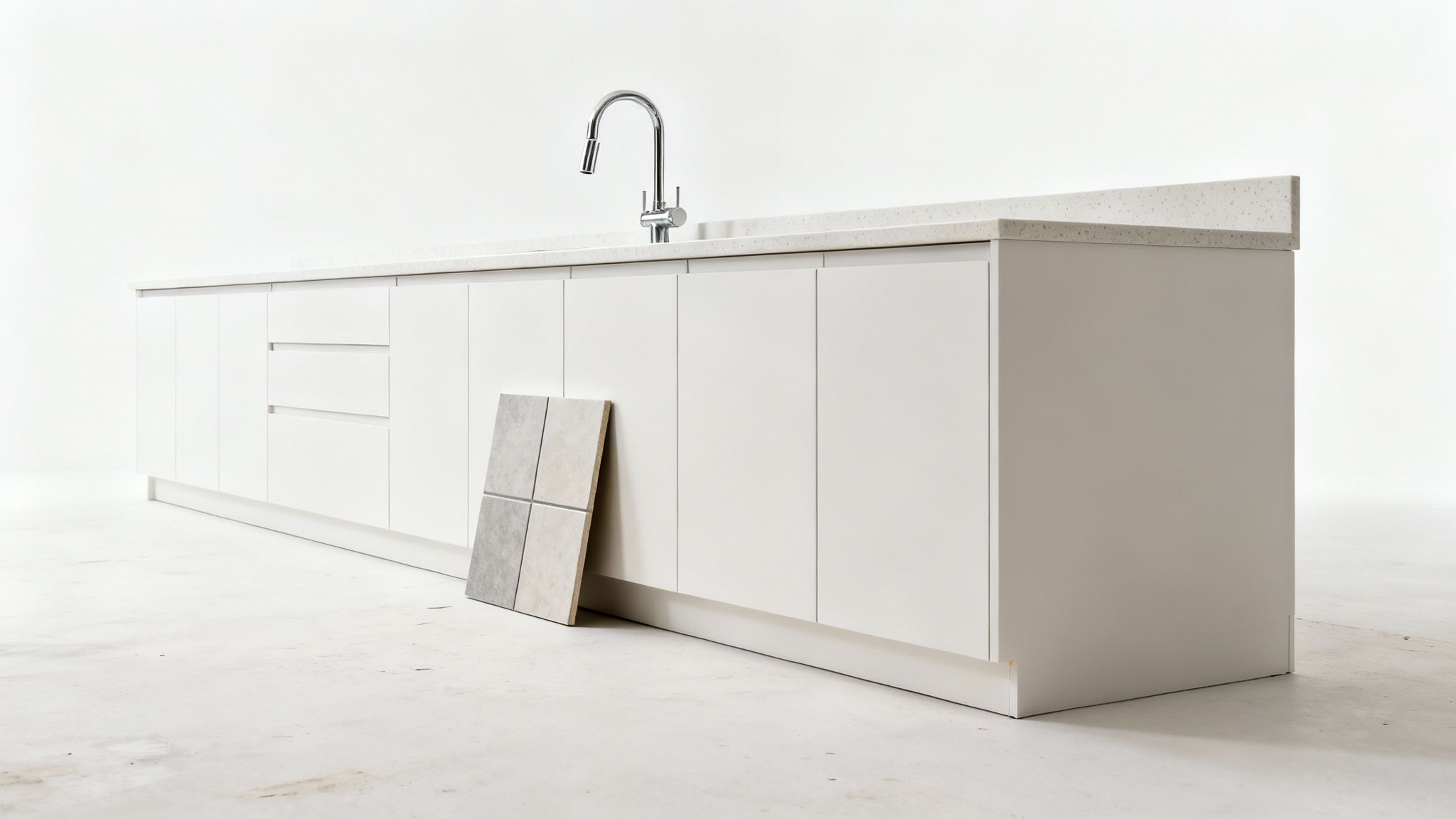
Lasting between four to six weeks, this phase brings a significant portion of your interior design vision to life. The complexity of your selections, from a high-end kitchen island with waterfall quartz countertops in an Edmond estate to a spa-like primary bathroom with heated floors in a Norman home, will dictate the precise schedule. These details require skilled craftsmanship and careful coordination to execute flawlessly.
Key Activities in the Kitchen and Bath Installation Phase
- Cabinet Installation: Carpenters will precisely install all kitchen and bathroom cabinetry. This is the foundation for countertops, sinks, and storage solutions, requiring level and secure placement.
- Countertop Templating and Installation: After cabinets are in, a specialist will create a precise template for your countertops. The stone or other material is then fabricated and installed, a critical step that defines the aesthetic of these rooms.
- Tile Work: This includes installing backsplashes in the kitchen and flooring or shower surrounds in the bathrooms. The level of detail, from simple subway tile to intricate mosaics, impacts the timeline.
- Fixture and Appliance Placement: Once countertops and tile are complete, plumbers and electricians return to install sinks, faucets, toilets, and major appliances like dishwashers and ovens.
Builder Insight: Cabinetry and countertops often have the longest lead times of any interior finish. We guide our clients to finalize these selections during the early design phase to prevent them from causing delays later in the construction timeline. Ordering them before the foundation is even poured ensures they arrive exactly when the project is ready for them, keeping the entire build on schedule.
10. Phase 10: Final Inspections, Punch List, and Move-In Readiness (2-4 Weeks)
The final phase in your custom home building timeline is arguably the most exciting, as it bridges the gap between a completed construction site and a move-in-ready home. This stage, lasting two to four weeks, is a meticulous process of verification, refinement, and final approvals. It ensures every aspect of your home meets Oklahoma's stringent building codes, aligns with your expectations, and is fully functional before you receive the keys.
This is where the fine-tuning happens. Your builder will walk through the property with you to create a "punch list" of any remaining cosmetic fixes, while city inspectors from municipalities like Norman or Edmond conduct their final reviews to issue the all-important Certificate of Occupancy. From verifying that all utilities are connected and operational to ensuring every light switch works, this phase is dedicated to delivering a perfect, finished product.
Key Activities in the Final Inspections and Punch List Phase
- Final Municipal Inspections: Local building officials will perform comprehensive final inspections, covering everything from electrical and plumbing systems to structural integrity and safety features, to ensure full compliance with local codes.
- Punch List Walkthrough: You and your builder will conduct a detailed walkthrough of the home to identify any minor imperfections, such as paint touch-ups, scuffs on flooring, or a sticky cabinet door. These items are documented on a punch list for the builder’s team to correct.
- Final Utility Connections: All utilities, including electricity, water, gas, and sewer, are permanently connected and tested to ensure they are functioning correctly before you move in. The builder coordinates these final hookups with local providers.
Builder Insight: We advise clients to be incredibly thorough during the punch list walkthrough. Open every window, test every faucet, and flip every switch. It is far more efficient to document and address these small items before you move your furniture in. Also, request all warranty documentation for appliances, roofing, and HVAC systems at this stage to keep for your records.
10-Phase Homebuilding Timeline Comparison
Frequently Asked Questions (FAQ)
How long does it really take to build a house from start to finish in Oklahoma?
On average, building a custom home in Oklahoma takes between 10 to 16 months. This timeline can be affected by the project's complexity, weather delays (especially during spring storm season), permitting speed in cities like OKC or Norman, and material availability.
What is the longest phase of building a house?
Typically, the framing and structural work (Phase 5) and the interior finishing stages (Phases 8 & 9 combined) are the longest parts of the build. Each can take 2-3 months or more, as they involve multiple trades and detailed work that defines the home's structure and final appearance.
Can you build a house in 6 months?
While it's possible for very simple, production-style homes on prepared lots, building a custom home in 6 months is highly unrealistic. The permitting, site prep, and foundation phases alone can take 3-4 months before framing even begins. A rushed timeline often leads to compromised quality.
What are the first steps to building a house?
The very first steps are financial pre-approval and finding the right piece of land. After that, you'll need to hire a reputable builder like ACET Custom Homes, who can then guide you through the architectural design process to create a plan that fits your budget and vision.
Ready to design your custom home? Schedule a free consultation with ACET Custom Homes today.
Book Your Project Consultation