.png)
A Guide To OKC New Construction Homes
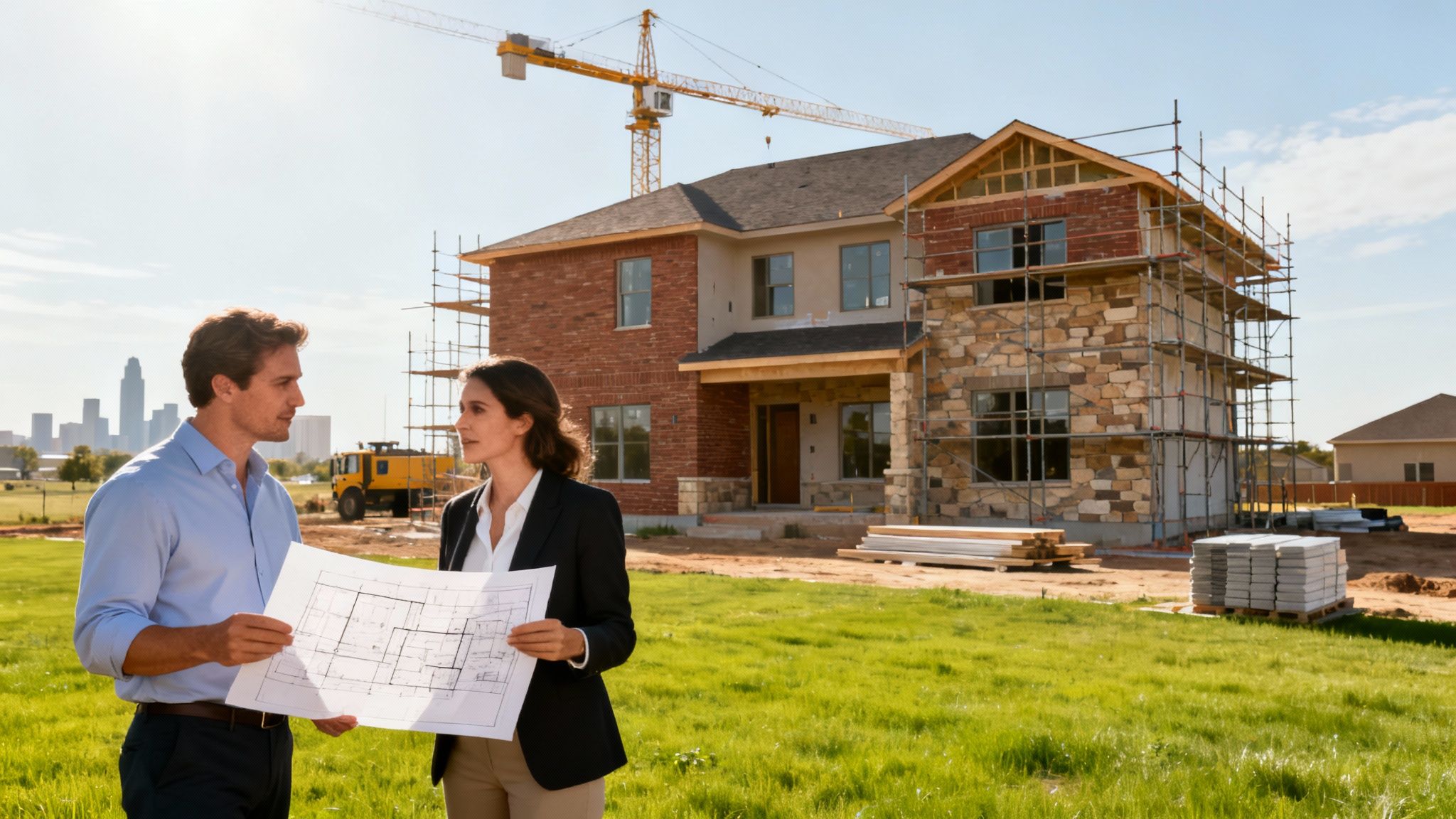
Are you tired of scrolling through listings for existing homes, only to be disappointed by outdated layouts and someone else's questionable design choices? Building a custom home in Oklahoma City is about more than just getting a new house. It’s about creating a space that is a true reflection of you and your family—the real reason so many people start searching for OKC new construction homes in the first place.
Imagine stepping into a home where every room, every finish, and every detail was chosen by you, for you. Whether you're looking at a thriving suburb like Edmond or a spacious rural lot out in Macomb, building new gives you an incredible advantage you just can't find in the resale market.
Your Journey To A New Home In Oklahoma City
Deciding to build a new home in the OKC metro is an exciting step. Unlike buying a pre-owned house where you're forced to live with someone else's design choices, building from the ground up puts you firmly in the driver's seat.
You get to dictate the layout, hand-pick the finishes, and design the features that actually matter to your family. The end result isn't a series of compromises; it's a home built around your vision.
This guide is designed to pull back the curtain on the entire process. With over 15 years of experience building homes all over Oklahoma, ACET Custom Homes has learned a thing or two. We'll walk you through everything from evaluating a piece of land in Deer Creek to understanding the unique challenges of Oklahoma's weather and soil, so you can make smart decisions every step of the way.
"Our goal is to make the journey as seamless and rewarding as the home itself. We've seen firsthand how a well-planned project can eliminate stress and create a home that families will love for generations." - Bono, Project Manager at ACET Custom Homes
Why Building New Makes Sense In Oklahoma
Opting to build brings some very real benefits to the table, especially when you consider the headaches that can come with an older home. Here's what you really gain:
- Modern Energy Efficiency: A new home is built to today's energy codes. That means lower utility bills from the day you move in. With Oklahoma's hot summers and chilly winters, that efficiency adds up to serious savings and a much more comfortable home year-round.
- Reduced Maintenance: Forget about surprise repairs. With brand-new systems, appliances, and structural components, you won't be dealing with the costly and frustrating issues that plague older homes for years to come.
- Complete Personalization: Your home should fit how you live. Building new means you can design that open-concept living area you've always wanted, add a dedicated home office, or create an outdoor space perfect for entertaining—all things that are hard to find or expensive to add to an existing house.
Whether you’re relocating to the area or simply ready for an upgrade, understanding these advantages is the first step. For a closer look, check out our guide on what to expect from custom home builders in Oklahoma City.
Finding And Evaluating The Perfect Lot
Your home’s story doesn’t start with blueprints or paint colors. It starts with the dirt. Finding the right piece of land is easily the most critical first step when building any of the OKC new construction homes you see popping up. The ground underneath your foundation dictates absolutely everything that follows, from the final cost to your home's design and its long-term stability.
A gorgeous plot of land out near Guthrie or Shawnee can hide some incredibly expensive problems, while a sloped, tricky-looking lot in Edmond might hold amazing potential—if you know what you're looking for.
Before you get swept away by a beautiful view, you need to put on your detective hat. Evaluating land means looking past the surface to understand what lies beneath, and in Oklahoma, this is non-negotiable. Our state is notorious for its expansive clay soil, which can cause devastating foundation issues if it isn't handled correctly from day one.
"A client once came to us with a lot they'd already purchased. It was sloped and had drainage issues they weren't aware of. We had to engineer a complex foundation and retaining wall system, which added unexpected costs. It’s why we always tell people: involve your builder in the lot evaluation. It can save you thousands." - Bono, Project Manager at ACET Custom Homes
Your On-Site Land Evaluation Checklist
Walking a potential property with a critical eye is a must. Don’t just admire the trees and picture your future porch; you need to hunt for red flags. With over 15 years of building experience across Oklahoma, ACET Custom Homes has seen it all. Use this checklist as your guide when you're out there.
- Topography and Drainage: Does the land slope? Where is water going to run during a classic Oklahoma downpour? Keep an eye out for low spots or any area where water might pool up against your future foundation. Good drainage isn't a luxury; it's essential.
- Utility Access: Are utilities like water, electricity, gas, and high-speed internet already at the property line? In more rural areas like Elmore City or Macomb, extending these services can get surprisingly expensive, fast. Always confirm the availability and connection costs upfront.
- Zoning and Covenants: Dig into the local zoning laws and any neighborhood covenants or restrictions. These rules can dictate everything from your home's size and style to where you're allowed to put up a fence. Never assume you can build whatever you want without checking first.
For a much deeper dive into this process, our guide on how to build on your lot in Oklahoma lays out even more detail.
Understanding Oklahoma Soil and Site Prep
You simply can't talk about building in Oklahoma without talking about the soil. A huge part of the state, including the OKC metro, is built on expansive clay soil that swells when it's wet and shrinks when it's dry. This constant movement will wreck a foundation that isn’t designed for it.
This is where a geotechnical soil test becomes a crucial investment. It’s a report that tells us exactly what we're dealing with, allowing our engineers to design the right foundation—whether that’s a conventional slab, a post-tension slab, or even piers and beams—to keep your home stable for a lifetime.
If your lot is in a rural area without city sewer access, a percolation (or "perc") test is also mandatory. This test determines how quickly water absorbs into the soil, telling us if the land is suitable for a septic system. A failed perc test can mean the lot is unbuildable without a very costly, engineered septic alternative.
Location, Location, Investment
Choosing where to build is just as important as the land itself. The surge in demand for homes in OKC suburbs like Edmond is a major driver for new construction, with median home values appreciating at a steady 6-8% annually. This growth is part of a larger trend, with Oklahoma City leading state population increases and becoming a top-tier rental market—all of which creates a perfect environment for high-end residential development.
This data confirms that a well-chosen lot in a growth area like Deer Creek or Moore isn't just a place to live; it's a solid long-term investment.
Nailing Down Your Financing: Construction Loans Explained
Financing a custom home build is a completely different animal than buying a house that's already standing. You won't be getting a standard mortgage—not at first, anyway. Instead, you'll need what's called a construction loan. Think of it as a short-term loan specifically designed to cover every cost of the build, from buying the lot to that final coat of paint.
The process has a lot more moving parts because the bank is lending you a significant amount of money for a home that doesn't exist yet. It’s a leap of faith for them. Because of that, they need to have absolute confidence in two things: you and your builder. They'll take a hard look at your finances, your builder's track record, and the detailed plans for the house before they'll even consider cutting a check.
How Your Builder Helps You Get Approved
Having a great builder in your corner is probably the single biggest advantage you can have when you walk into a bank. Lenders in the Oklahoma City area are much more comfortable working with established builders who have a long history of finishing projects on schedule and within the budget. It just removes a lot of the risk for them.
Your builder is the one who provides the lender with the core documents that make up your loan application. These aren't just paperwork; they're the evidence the bank needs to feel secure.
- A Detailed Building Contract: This is the legally binding agreement that spells out the scope of work, total cost, and the project timeline.
- A Full Set of Blueprints: Professional, architectural-grade drawings that map out every last detail of your home's design.
- The "Specs" Sheet: This is a line-by-line breakdown of every single material and finish going into the home, from the concrete in the foundation to the brand of your kitchen faucets.
With over 15 years in the business, ACET Custom Homes knows exactly what lenders need to see. We provide them with the professional, buttoned-up documentation that helps get our clients' loans approved without a lot of back-and-forth.
The Different Types of Construction Loans
Not all construction loans work the same way. Here in Oklahoma, you'll generally run into two main options, and the right one for you really comes down to your financial strategy.
The most popular choice by far is the Construction-to-Permanent Loan. You'll often hear this called a "one-time close" loan, and for good reason. It’s an all-in-one package that funds the construction and then, once your home is complete, automatically converts into a traditional mortgage. The big win here is that you only have to go through one closing, which saves you a ton of time, paperwork, and a second set of closing costs.
Construction Loan vs. Traditional Mortgage: A Quick Comparison
Financing a new build involves a specialized loan that functions very differently from the mortgage you'd get for an existing home. The table below breaks down the key distinctions.
As you can see, the construction loan is a short-term tool to get the house built, while the mortgage is the long-term plan for paying for it.
Budgeting Beyond the Sticker Price
One of the biggest mistakes people make is assuming the price in the contract is the final number. To keep your financial sanity, you absolutely have to plan for two other critical pieces of the puzzle: allowances and a contingency fund.
Allowances are specific dollar amounts plugged into the budget for items you haven't picked out yet—things like light fixtures, countertops, or flooring. If you end up picking a tile that costs more than the allowance, you simply cover the difference. It gives you flexibility without blowing up the whole budget.
"We had a client who fell in love with a high-end quartzite countertop that was outside their allowance. Because they had a healthy contingency fund, they could make the upgrade without derailing their budget. Planning for those 'what-ifs' is crucial." - From an ACET Custom Homes Google Business Page Review
A contingency fund is your financial safety net, pure and simple. It's a pot of money, usually 5-10% of the total build cost, that you set aside for the unexpected. Maybe you hit rock when digging the foundation, or maybe you decide halfway through that you just have to add that extra bank of windows in the living room. This fund is the buffer that keeps the project on track when life happens.
If you want to dive deeper, you can learn more about navigating Oklahoma construction loans in our dedicated article.
Designing A Home That Reflects Your Vision
This is where the magic happens. All those saved images on your Pinterest boards and abstract ideas in your head finally start taking shape. For most people, designing their home is the most exciting part of the journey. It's the moment your vision for a new OKC new construction home evolves from a dream into a real, detailed blueprint.
It all starts with a big decision: do you want to start with a proven, well-loved floor plan that you can customize, or would you rather create a completely bespoke design from a blank slate? There's no right or wrong answer here. It really just depends on your budget, your goals, and how you imagine your family living in the space.
Choosing Your Design Path
Many of our clients find that starting with one of our curated floor plans is the perfect middle ground. These are designs we’ve refined over our 15+ years of building in Oklahoma, so we know they have a great flow, smart layouts, and a rock-solid structural foundation.
From that starting point, you can really make it your own. We can adjust room sizes, move non-load-bearing walls, and of course, you’ll be selecting every single finish to match your personal taste. This approach helps streamline the initial design work, which can save a lot of time and architectural fees while still delivering a home that feels uniquely yours.
On the other hand, a fully bespoke design is for those who have a very specific vision that a pre-existing plan just can't quite capture. This path involves working side-by-side with an architect to draw every line from the ground up. It’s definitely a more intensive process, but the possibilities are truly endless.
Bringing Your Vision To Life With 3D Renderings
No matter which design path you take, seeing your ideas come to life is an absolute must. We use advanced 3D interior rendering technology to build a photorealistic model of your future home. This is so much more than a flat floor plan—it's a virtual walkthrough that lets you experience the home before we even break ground.
You can see exactly how the morning sun will pour into the kitchen, get a true sense of the scale of the great room, and even test out different furniture arrangements. This immersive process takes all the guesswork out of it and gives you the confidence that the final home will be exactly what you’ve been dreaming of.
"Seeing the 3D renderings was a game-changer. We were able to make small tweaks to the kitchen island and the master bathroom layout that made a huge functional difference. It gave us so much confidence before construction even started." - A recent client review from our ACET Custom Homes Google Business Page.
Designing For The Oklahoma Landscape
Building a home in Oklahoma means you have to design for our unique environment. This goes way beyond just aesthetics; it's about building a home that’s safe, durable, and comfortable in our sometimes-unpredictable climate.
- Integrated Storm Shelters: Safety is always top of mind. We can seamlessly build an in-ground or above-ground storm shelter right into your garage, a closet, or even the patio. It provides incredible peace of mind without messing up your home's layout.
- Superior Energy Efficiency: Oklahoma summers are no joke. We make sure to include features like high-performance windows, advanced insulation, and correctly sized HVAC systems to keep your home comfortable and your utility bills down.
- Durable Exterior Finishes: Our sun, wind, and hail can be tough on a home's exterior. We always guide our clients toward durable, low-maintenance materials like brick and natural stone that not only look timeless but will also stand up to the Oklahoma elements for decades.
If you want to dive deeper into this phase, our guide on custom home design services in Oklahoma has even more information.
A Strong Market For Thoughtful Design
Investing in a well-designed custom home is a smart move, especially in a growing market like ours. The new construction scene in Oklahoma City is booming amidst a national housing shortage, and new home sales are expected to climb significantly. This environment creates a fantastic opportunity for energy-efficient, custom homes that blend modern style with sustainable building, ensuring your house is not only a joy to live in but also a valuable asset for years to come. You can read more about these trends in this insightful real estate analysis.
From the first sketch to picking out the final doorknobs, our process is transparent and hands-on, ensuring every detail is a true reflection of you. We believe the design phase sets the tone for the entire project, and our goal is to make it a creative, collaborative, and genuinely rewarding experience.
What To Expect When Construction Begins
With the blueprints signed off and financing in the bank, the real fun begins. This is where your dream home starts to move from paper to reality. Watching the dirt move and the walls go up is an incredible experience, and understanding the process makes it all the more rewarding.
The build itself isn't a free-for-all; it's a meticulously planned sequence. With over 15+ years of building homes here in Oklahoma, we at ACET Custom Homes have this down to a science. We make sure you’re always in the loop with regular updates and site visits, so you feel connected to your home’s journey every step of the way.
The Major Milestones of Your Home Build
Every custom project follows a predictable path, from the groundwork to the final finishing touches. While every home is unique—and Oklahoma weather loves to throw a curveball—most of our custom builds take between 9 to 14 months from the first day we break ground.
Here’s a look at what you can expect to see unfold:
Site Prep & Foundation (Months 1-2): This is ground zero. Our crews clear the land, grade it for proper drainage, and dig the foundation. This step is absolutely critical in Oklahoma because of our expansive clay soil. A properly engineered foundation, like a post-tension slab, is non-negotiable for ensuring your home stands strong for decades.
Framing (Months 3-4): This is when your floor plan explodes into three dimensions. The skeleton of the house—walls, floors, and the roof—goes up. It’s probably the most dramatic stage of the build, and for the first time, you can truly walk through and feel the size and flow of your new rooms.
Rough-Ins & Exterior Finishes (Months 5-7): Once the frame is up, we install the home’s vital organs. Plumbers run pipes, electricians pull wires, and HVAC technicians install ductwork inside the walls. At the same time, we’re working on the outside, installing windows, doors, and your chosen brick or stone to make the house "weather-tight."
Interior Finishes (Months 8-10): Now the house starts to show its personality. Drywall is hung and painted, and then all the beautiful selections you made come to life. We install cabinetry, lay down flooring, set countertops, and hang light fixtures. It's a busy, transformative phase.
Final Touches (Months 11-12+): We’re in the home stretch. These last weeks are all about the details—final paint touch-ups, appliance installation, landscaping, and a meticulous final inspection to make sure every last detail meets our standards.
This graphic gives a great visual overview of how the design and build phases flow together.
As you can see, each stage logically follows the one before it, which is why a well-managed schedule is key.
Navigating Delays and Staying on Track
Let's be realistic: no construction project is completely immune to delays. A solid week of Oklahoma rain can bring foundation work to a screeching halt, or a supply chain snag might delay a window delivery. The difference is how your builder handles it. A good builder sees these things coming and has a plan.
"We had a project where the client’s custom windows were delayed by the manufacturer, which could have derailed our whole schedule. We just pivoted, re-sequencing our interior work to focus on things that didn't depend on the windows. Smart management turned a potential three-week problem into a minor blip." - Bono, Project Manager at ACET Custom Homes
Our entire approach is built on proactive scheduling and transparent communication. If something happens, you'll be the first to know why, what we're doing about it, and what it means for the timeline. That honest, open dialogue keeps surprises at bay and ensures you feel like a partner, not a bystander. A well-managed build is a low-stress build.
The Final Walkthrough: The Last Step Before You Get Your Keys
After months of watching your vision take shape, this is it—the moment you’ve been waiting for. All the planning, the decisions, and the anticipation are about to pay off as your new house is ready to become your home.
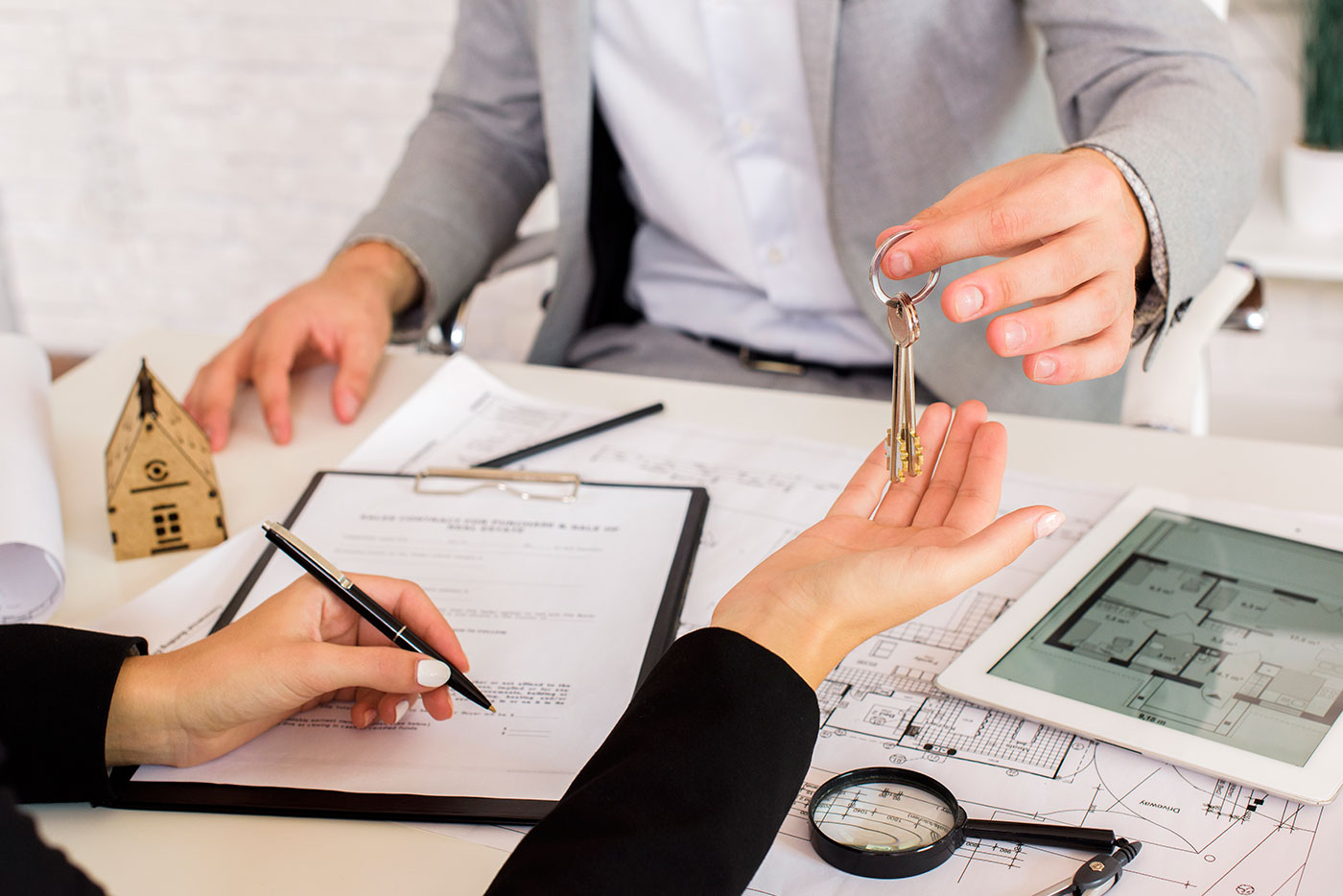
But before we hand over the keys, there’s one last, incredibly important step: the final walkthrough. This isn’t just a quick look-around; it's a detailed inspection alongside your project manager to make sure every single detail is exactly right.
Creating Your "Punch List" for a Perfect Finish
We'll work together to create a "punch list," which is just an industry term for a list of any items that need a final touch-up before you officially close. Think of it as a collaborative quality check to ensure absolute perfection.
Here’s what we’ll be looking at together:
- Surfaces and Finishes: We'll scan everything for scuffs on the walls, scratches on countertops, or any little blemishes in the flooring or tile work.
- Fixtures and Systems: It's time to test everything. We’ll flip every light switch, run every faucet, and check every outlet. We'll also fire up the HVAC system and run the appliances to confirm they’re all working perfectly.
- Doors and Windows: Every single one needs to open, close, and lock smoothly. We’ll also check to make sure they seal up tight.
- The Exterior: We'll do a lap around the outside to inspect the siding, paint, and landscaping, ensuring it has that crisp, finished look you expect.
"ACET was amazing during the final walkthrough. They were patient and addressed every minor detail we pointed out, making sure everything was perfect before we moved in. Their commitment to quality is obvious." - A recent client review from our ACET Custom Homes Google Business Page.
This final inspection is our shared commitment to quality. It’s your opportunity to sign off on the home, confident that it meets not only your expectations but our own high standards.
Once every item on the punch list is addressed, you’ll get your keys and a comprehensive home warranty—our promise to you that our support continues long after you’ve moved in.
Building in Oklahoma City is a smart move. While national numbers have recently dipped, our area saw 2,827 new home permits issued, showing just how strong the demand is here. In a competitive market like this, a builder’s reputation for quality craftsmanship and a solid warranty are what truly protect your investment. You can read more about these housing trends in these local real estate market analyses.
Answering Your Top Questions About Building a New Home in OKC
If you're thinking about building a new home, you probably have a lot of questions. That’s completely normal. To help you get some clarity, we've put together answers to some of the most common questions we hear from folks looking into OKC new construction homes.
How Long Does It Take to Build a Custom Home in Oklahoma?
From the day we break ground, you can generally expect a custom home build in areas like Edmond, Norman, or even out in rural communities like Shawnee, to take anywhere from 9 to 14 months.
Of course, that timeline isn't set in stone. A few things can influence it, like the complexity of your home's design, the classic unpredictability of Oklahoma weather, and even supply chain issues for specific materials. A good builder will be in constant communication with you, giving you updates as you move from pouring the foundation to framing the walls and installing the final finishes.
Is It Cheaper to Buy or Build a House in Oklahoma?
This is a great question, and the answer isn't as simple as comparing sticker prices. While the upfront cost of a new build can sometimes be higher than buying an existing house, building new is often the smarter financial move in the long run.
Think about it this way: new homes are built to the latest energy codes. That means better insulation, more efficient windows, and modern HVAC systems, all of which lead to lower monthly utility bills. The U.S. Department of Energy has noted that homes built to current standards can create significant savings over the years. Plus, you won’t have to worry about replacing a roof or a water heater a few months after moving in, saving you from those costly, unexpected repairs that can pop up with older homes.
"A client recently told us they were amazed at how much lower their utility bills were compared to their old house. That efficiency is a huge, often overlooked, financial benefit of building new." - Bono, Project Manager at ACET Custom Homes
Can You Negotiate on a New Construction Home?
While the base price for the home and the lot are typically firm, there's often flexibility in other areas. Many builders, including us here at ACET Custom Homes, might offer incentives on things like closing costs or provide credits you can use for upgrades on finishes, fixtures, or appliances.
The best approach is to simply ask. Have an open conversation with your builder about your budget and what you're hoping to achieve. You might be surprised at what’s possible.
What Is the Difference Between a Custom Home and a Production Home?
This one comes up all the time. The easiest way to think about it is that a production home is built by a volume builder who offers a handful of pre-designed floor plans with a limited set of options. You pick a model, choose from their menu of finishes, and they build it.
A custom home, on the other hand, is a true one-of-a-kind. It's designed and built from the ground up, just for you. You have total control over everything—the layout, the materials, the specific light fixtures, you name it.
For a more detailed breakdown, we wrote an entire article explaining what a custom home is.
Ready to design your custom home? Schedule a free consultation with ACET Custom Homes today.
Book Your Project Consultation