.png)
Construction Loans in Oklahoma: Custom Home Financing Guide
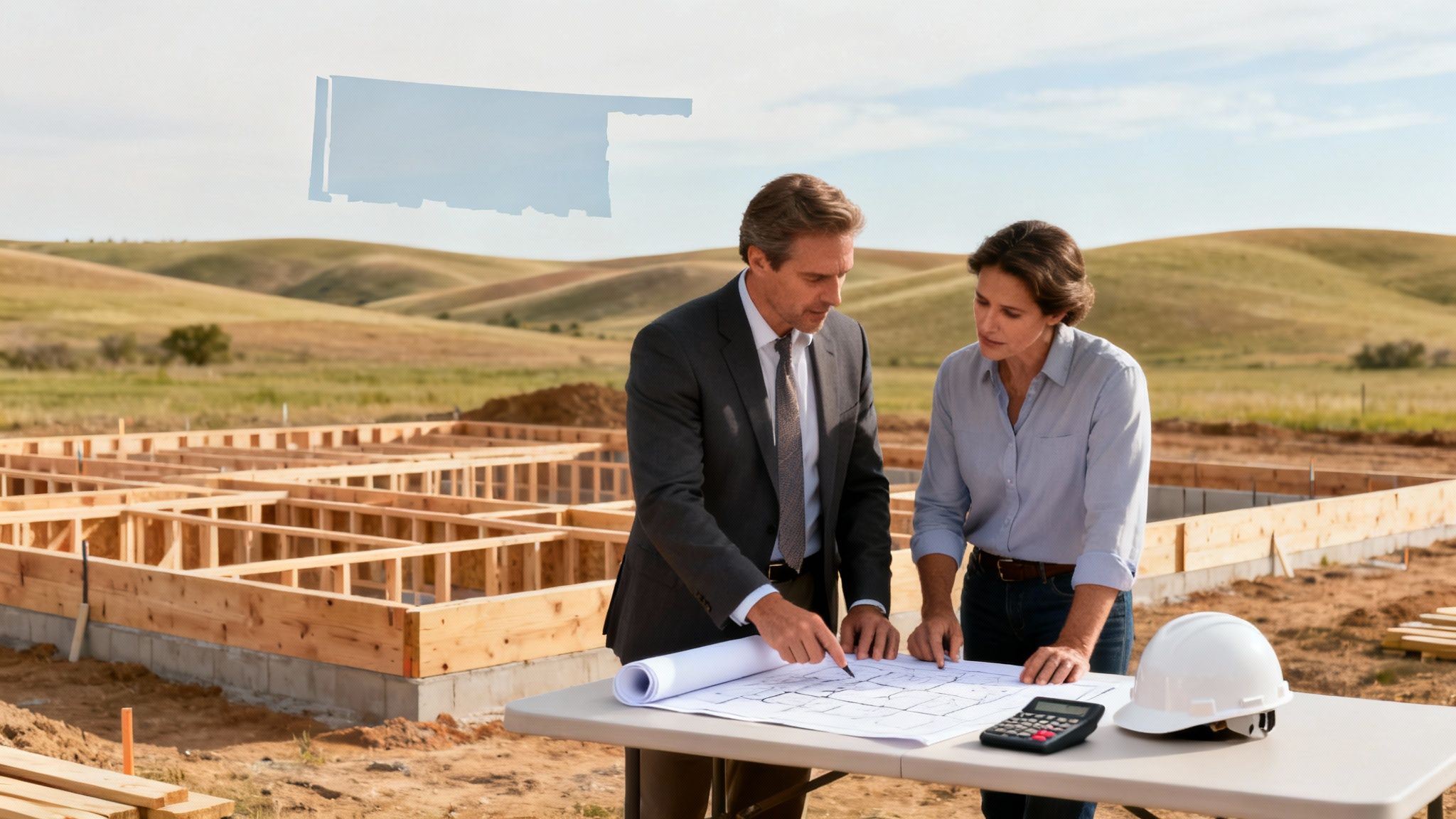
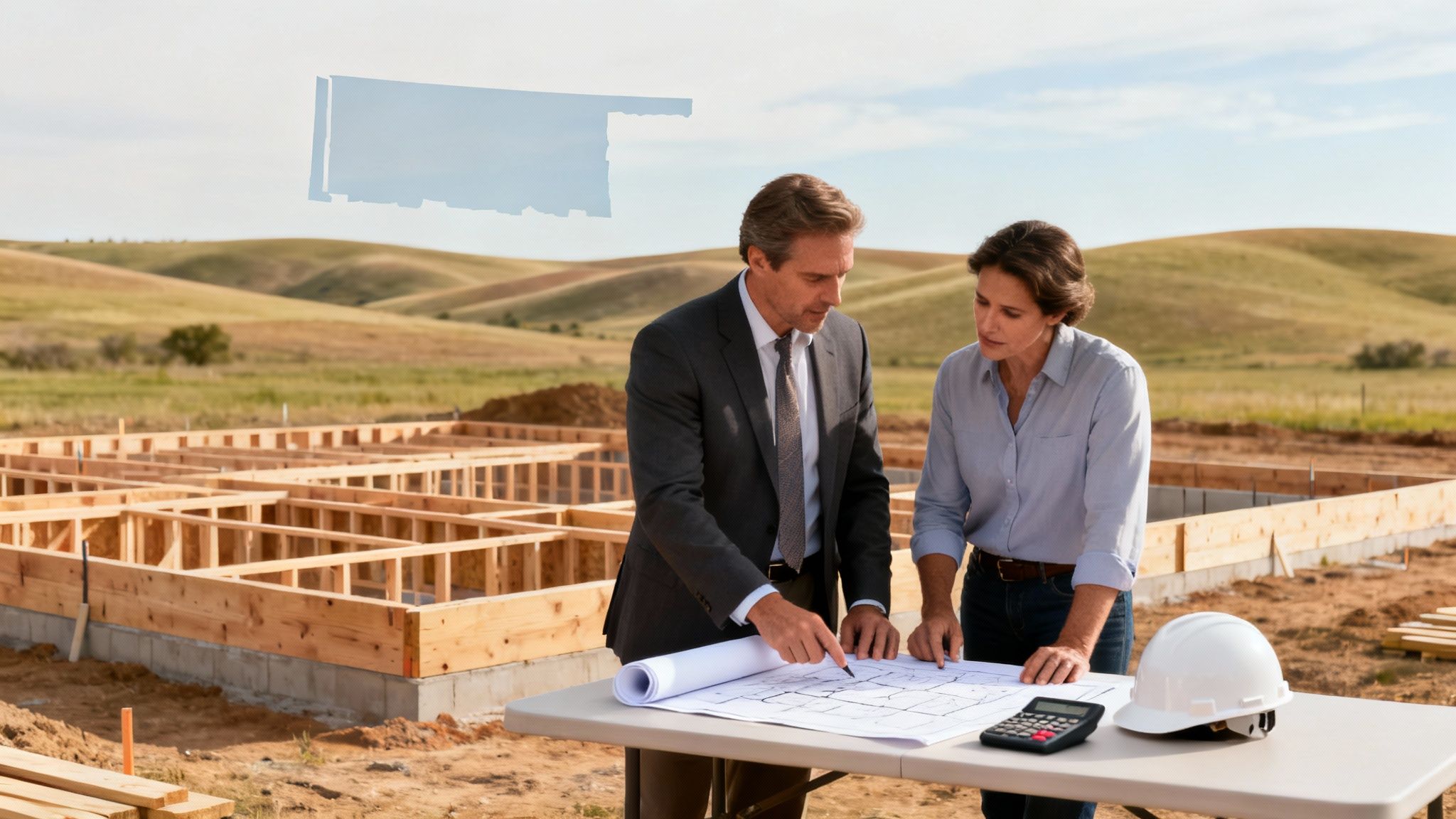
Quick answer: A construction loan is financing designed for a home that has not yet been completed. Instead of funding an existing house in one purchase transaction, construction financing generally releases funds during the build according to the lender's approved process.
ACET Custom Homes is not a lender and does not provide financing. ACET can help clients understand the general construction-financing process, prepare builder and project information requested by a lender, and may provide lender resources when appropriate. Loan programs, rates, down payments, equity requirements, credit standards, fees, and draw procedures are determined by the lender and borrower.
How is a construction loan different from a traditional mortgage?
A traditional mortgage generally finances an existing or completed home. A construction loan must account for a property that is being created over time, so lenders typically evaluate both the borrower and the proposed project.
Depending on the lender and loan structure, the review may include the property, plans, specifications, construction contract, budget, builder information, appraisal, borrower qualifications, insurance requirements, and proposed construction schedule.
What are the main types of construction financing?
Construction-to-permanent financing
A construction-to-permanent structure is designed to finance construction and then transition into longer-term mortgage financing after the home is completed and applicable lender requirements are satisfied. Some programs use a single closing, but exact terms vary by lender.
Construction-only financing
A construction-only loan funds the building phase and generally requires separate permanent financing when construction is complete. This can mean another qualification and closing process.
Neither structure is universally better. Borrowers should compare current lender terms, fees, rate-lock provisions, qualification requirements, and risks with the lender or financial professional.
What does a construction lender typically review?
- Borrower qualifications: income, assets, liabilities, credit, and other underwriting factors.
- Land or property: ownership, purchase terms if applicable, title information, and property value.
- Plans and specifications: enough detail for the lender and appraiser to understand what is being built.
- Construction budget: the proposed cost and scope of the project.
- Builder information: credentials, insurance, experience, contract information, and other lender-specific requirements.
- Appraisal: lenders commonly evaluate the proposed home's anticipated completed value based on plans, specifications, property, and comparable market information.
- Schedule and draw structure: how construction funds will be administered during the project.
How does the construction draw process work?
Construction funds are commonly disbursed in stages rather than as one unrestricted lump sum. The exact number of draws, required documentation, inspection procedures, timing, and percentage released at each stage are established by the lender and loan agreement.
A draw process may involve requests tied to completed work, materials, invoices, inspections, lien documentation, or other lender requirements. Builders and clients should understand the lender's process before construction begins because funding timing affects project cash flow and scheduling.
Can land equity help with construction financing?
Potentially. Some lenders may recognize equity in land a borrower already owns as part of the overall financing structure. How the land is valued and how much equity receives credit depends on the lender, appraisal, existing liens, loan program, and borrower qualifications.
Do not assume that owning land automatically eliminates a cash requirement. The lender should explain exactly how land value and equity are treated in the proposed loan.
How much down payment is required?
There is no ACET-wide or Oklahoma-wide percentage that applies to every borrower. Required cash, equity, loan-to-value limits, reserves, and other conditions vary by lender, loan program, borrower, appraisal, and project.
For that reason, ACET does not publish a universal construction-loan down-payment percentage. Borrowers should obtain current terms directly from qualified lenders.
What credit score is required?
Credit requirements vary by lender and program. A single online credit-score number should not be treated as an Oklahoma construction-loan standard. Lenders consider credit alongside income, debt, assets, project details, appraisal, and other underwriting factors.
When should financing conversations begin?
Early. Financing readiness can influence land decisions, design scope, project budget, and timing. Waiting until plans are fully developed to discover the lender's requirements can create unnecessary redesign or delay.
A practical sequence is to establish a realistic financial range, speak with construction lenders, evaluate land and project goals, and keep financing, design, and estimating aligned as the project develops.
What information may the builder need to provide?
Requirements differ by lender, but a lender may request a construction agreement, detailed budget, draw schedule, plans and specifications, builder insurance or credentials, project schedule, and other company or project documentation.
Builder approval is the lender's decision. ACET works with the client and lender to provide appropriate project information but cannot guarantee a lender's approval or underwriting outcome.
How does the appraisal work for a home that does not exist yet?
Construction lenders commonly order an appraisal using the proposed plans, specifications, property, and relevant market data to estimate the home's value when completed. The lender then uses that appraisal as one factor in determining the financing structure.
Appraisal outcomes are independent and can affect the amount of financing available even when the construction budget itself has not changed.
What happens if the project changes during construction?
Changes can affect both the construction contract and lender administration. Depending on the change and loan structure, the lender may need updated documentation, revised budgets, borrower funds, change orders, or additional approval.
Clients should understand how their lender handles changes and cost increases before construction begins rather than assuming the loan automatically expands when the project scope changes.
Does ACET require clients to use a specific lender?
ACET does not provide financing. Clients should select financing that fits their circumstances and project. ACET may provide lender resources when appropriate, but borrowers should evaluate current terms and make their own financing decision.
How does financing fit into ACET's custom-home timeline?
The broader planning-to-completion journey can take roughly 12 to 18 months, while actual construction once a project is fully ready to build is commonly around 8 to 10 months. Financing is one of the preconstruction items that can affect when a project becomes ready to start.
For the complete project sequence, see ACET's custom-home building process guide. For schedule planning, see the Oklahoma custom-home timeline guide.
Frequently asked questions
Does ACET Custom Homes offer construction loans?
No. ACET is a custom-home builder, not a lender.
Can ACET recommend a lender?
ACET may provide lender resources when appropriate, but lending decisions, programs, rates, and underwriting remain between the borrower and lender.
Can I finance land and construction together?
Some lenders offer structures that can address land and construction together, while other situations use separate financing. Availability and terms should be confirmed with the lender.
Can I use land I already own?
Yes, a custom home can be built on client-owned land subject to feasibility. Whether the land's equity contributes to financing is determined by the lender.
Are construction-loan payments interest-only during the build?
Some construction loans use interest-only payments on disbursed funds during construction, but this is not universal. The lender should explain the exact payment structure.
How long does loan approval take?
There is no universal approval timeline. It depends on the lender, borrower documentation, appraisal, plans, builder approval, project information, and underwriting process.
Prepare financing and construction together
The strongest financing process is one where the borrower, lender, builder, design, land, and budget stay coordinated. Understanding the lender's requirements early can prevent avoidable delays once the project is ready to move toward construction.
Planning a custom home in Oklahoma? ACET can discuss the property, floor-plan direction, project range, and builder-side information that may be needed as clients work through construction financing.
Book Your Project Consultation