.png)
Custom Home Design in Oklahoma: Plans, 3D Design & Build Planning
Quick answer: Custom home design in Oklahoma works best when the floor plan, property, budget, engineering, selections, and construction strategy are developed together. ACET Custom Homes can work from a client's existing plan, customize an ACET plan, or combine ideas from multiple plans into a personalized design.
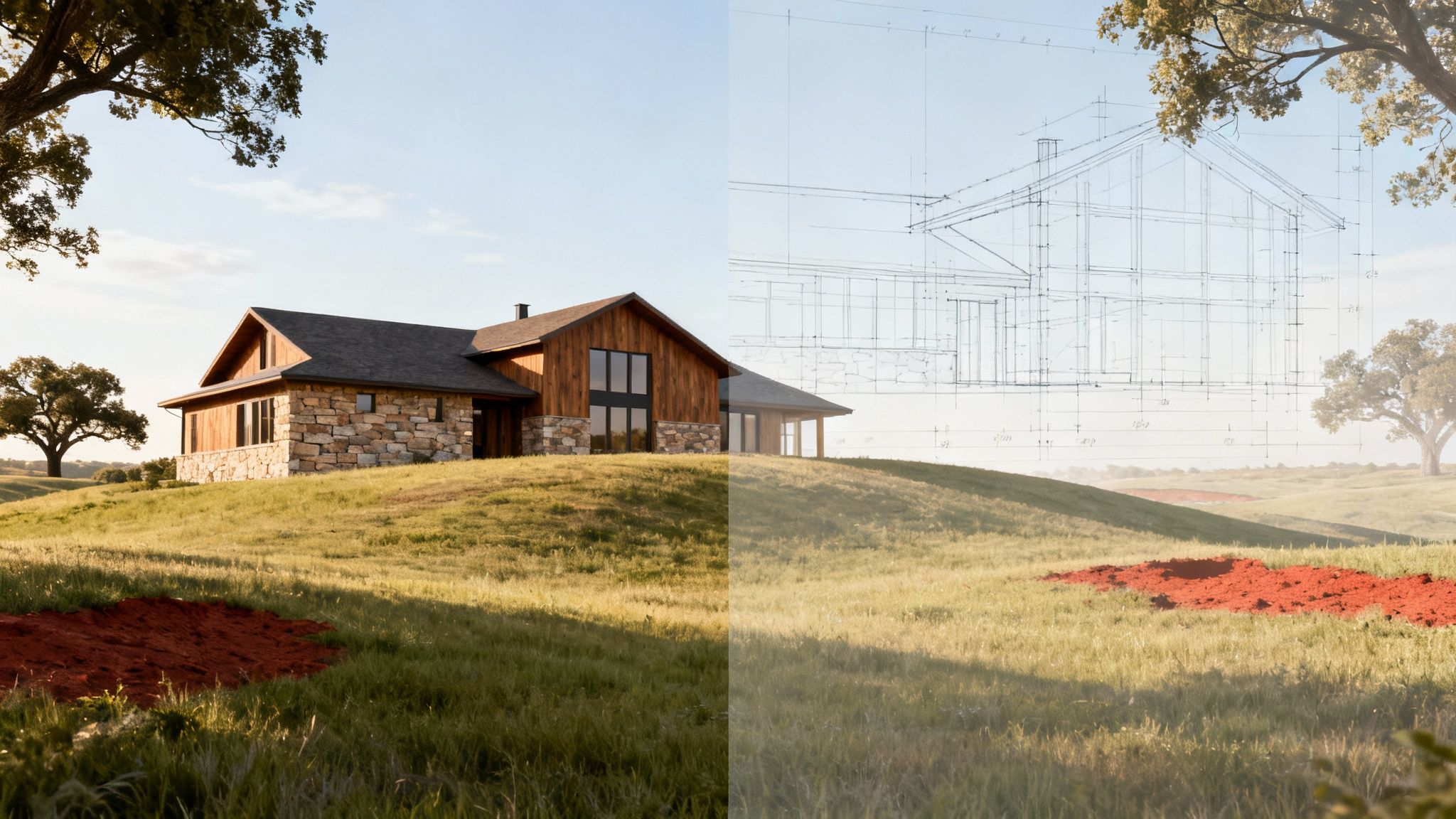
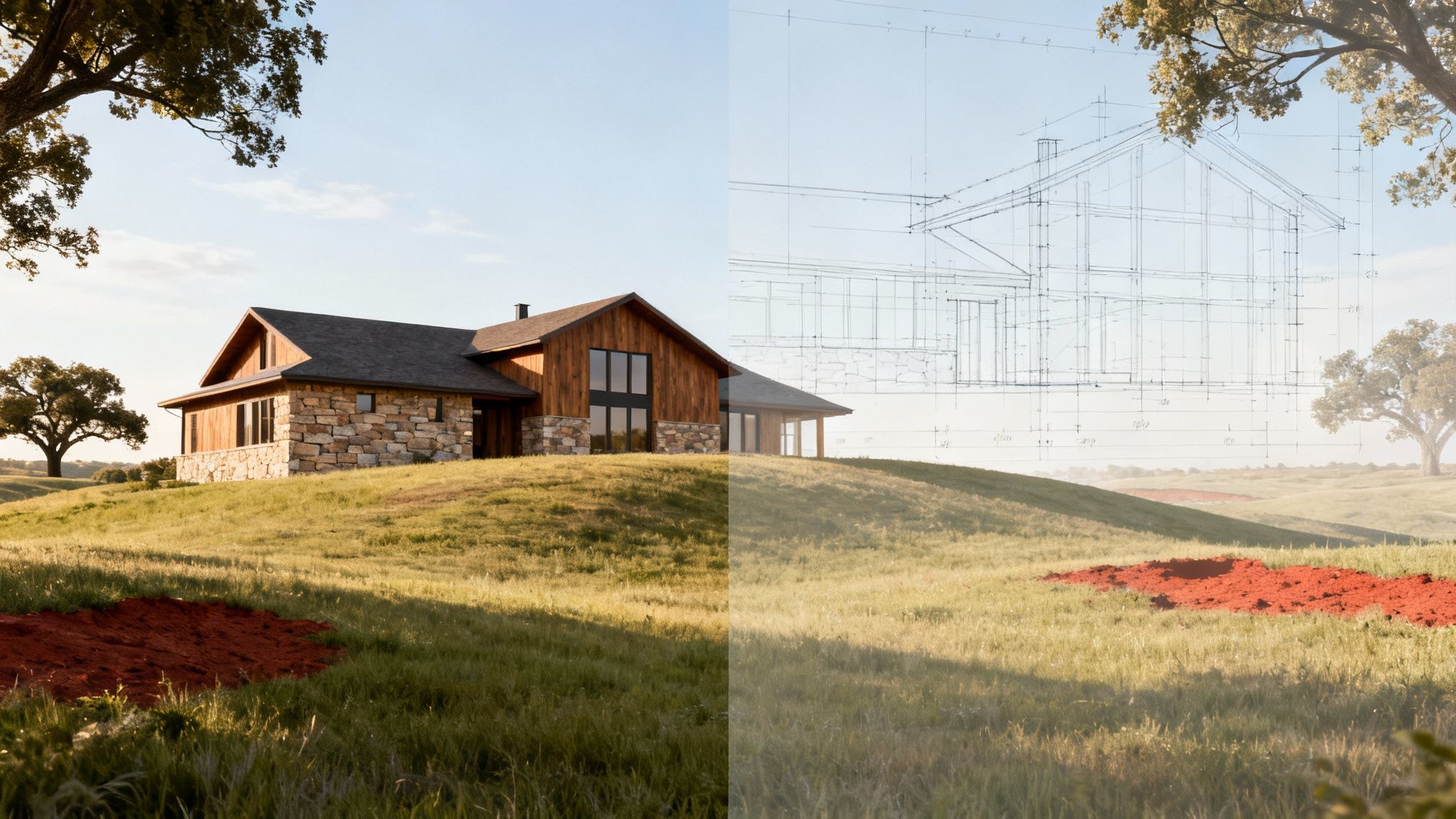
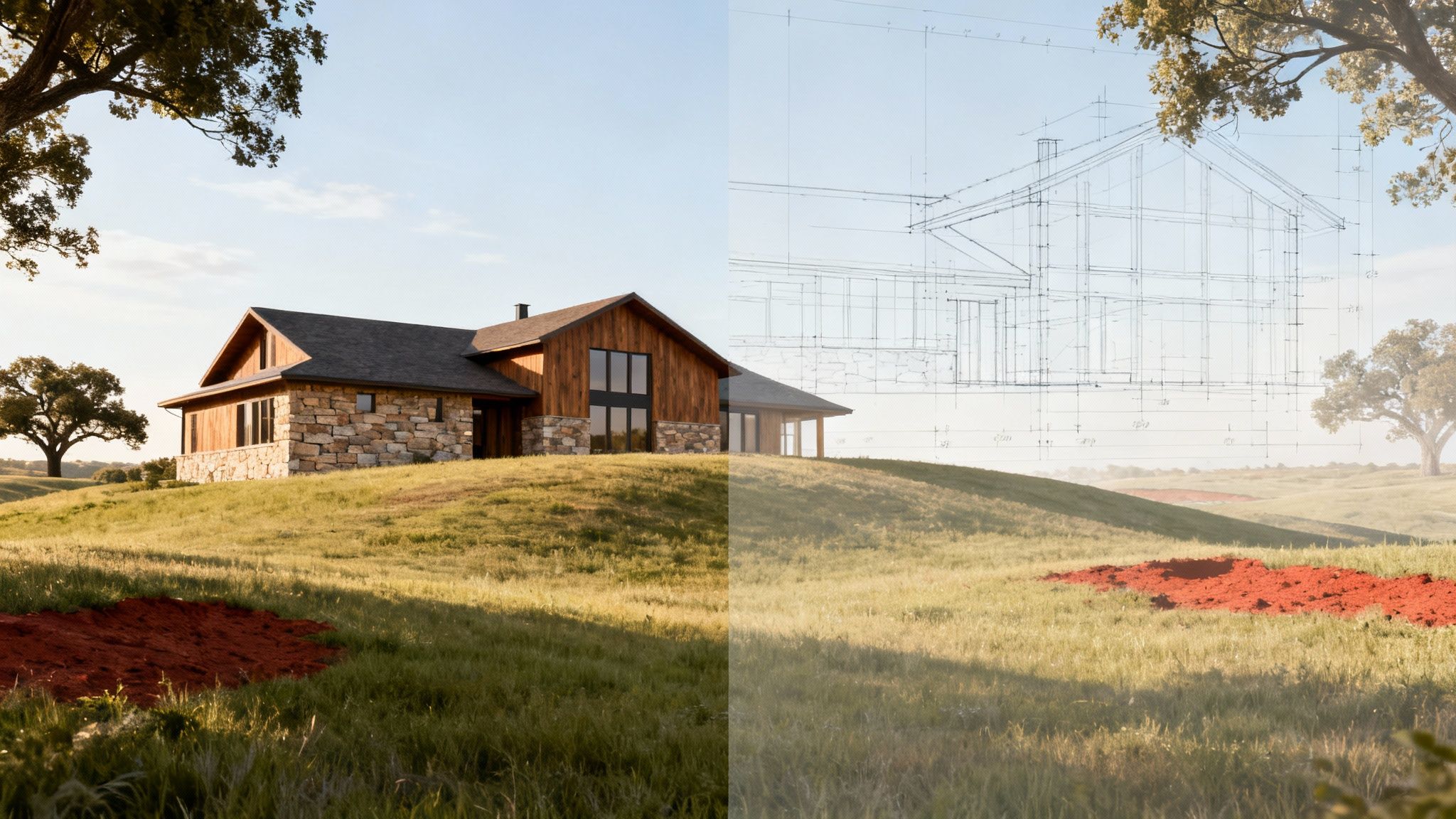
ACET also uses 3D design to help clients visualize key spaces, layouts, finishes, and design direction before construction. The goal is to reduce uncertainty early and make major decisions while changes are still easier to manage.
What does custom home design actually include?
Custom home design is more than choosing a floor plan or picking finishes. A strong design process connects how the client wants to live with the realities of the property, project budget, engineering, constructability, and long-term use.
Depending on the project, the design process may address:
- Overall floor-plan layout and room relationships
- Home size and footprint
- Architectural style and exterior character
- Kitchen, dining, and living-space planning
- Primary suite and bathroom layout
- Storage, pantry, mudroom, and utility needs
- Window and door placement
- Ceiling heights and special architectural features
- Outdoor living and garage relationships
- Site orientation, driveway approach, views, and drainage
- Interior finishes and material direction
- Mechanical, electrical, plumbing, and technology planning
Can I bring my own floor plan?
Yes. Clients may bring an existing floor plan, customize an ACET floor plan, or combine ideas from multiple plans into a personalized design.
The starting plan does not need to be perfect. It can be a full plan set, a stock plan, saved images, sketches, room ideas, or a combination of references. The important step is translating those ideas into a buildable design that fits the property, project goals, engineering, and budget.
Do I have to use an ACET floor plan?
No. ACET's floor-plan library is one starting point, not a requirement. Some clients prefer to begin with an ACET plan and make changes. Others already have a plan they like. Others want to merge features from several different plans into one personalized layout.
The right approach depends on how defined the client's vision already is and how well the starting plan fits the property and project range.
How does ACET use 3D design?
ACET uses 3D design to make important design decisions easier to understand before construction. Flat plans are useful, but many clients find it easier to react to a space once they can see proportions, finishes, room relationships, and visual direction in three dimensions.
ACET's 3D design process commonly begins with the kitchen because it often sets the tone for the rest of the home's interior. In open-concept homes, the dining area may be developed alongside the kitchen. After the direction is approved, the design language can be carried into the rest of the home.
The design process generally allows up to three revisions. More extensive redesign beyond the agreed scope can affect cost and schedule.
Why should the land and floor plan be designed together?
A floor plan that works beautifully on one property may need meaningful changes on another. Site conditions can influence home orientation, driveway placement, utility routing, septic location, drainage, setbacks, outdoor living, and the practical shape of the building footprint.
That is why ACET recommends evaluating the property and home design together instead of treating them as separate decisions.
For more detail, see the Build on Your Land in Oklahoma guide and the site-preparation guide.
What Oklahoma-specific factors can affect the design?
Oklahoma projects can vary substantially by location and property. The design team may need to consider wind exposure, drainage, soil conditions, utility availability, septic or sewer, driveway length, rural infrastructure, heat gain, storm-safety preferences, and local jurisdictional requirements.
These conditions do not lead to one universal design solution. ACET avoids assuming that every Oklahoma project needs the same foundation type, testing approach, insulation package, window specification, or site-development strategy.
The correct solution should be based on the actual property, project, engineering, specifications, and applicable requirements.
How does budget affect custom-home design?
Budget should influence the design early, not after the plan is already complete. A home can become expensive because of size, but complexity, finish level, roof geometry, windows, cabinetry, site work, outdoor living, and specialty features can have an equally large effect.
As a general positioning guide, ACET typically considers custom-home projects with an overall build investment around $399,999 and above. That is not a quote, fixed minimum, or guaranteed project price.
ACET does not use one official per-square-foot figure because two homes with the same square footage can have very different total costs.
For a deeper breakdown, see the Oklahoma custom-home cost guide.
What should be decided before construction starts?
The more major decisions that can be made before construction, the fewer avoidable delays and late-stage changes tend to occur.
- Overall floor-plan direction
- Architectural style
- Major window and exterior-door decisions
- Kitchen layout and cabinetry direction
- Primary bathroom design
- Flooring and tile direction
- Lighting and electrical priorities
- Plumbing-fixture expectations
- Appliance planning
- Outdoor living and garage priorities
- Long-lead or custom products
- Major finish palettes and material direction
Can ACET help with interior design?
Yes. ACET's design process can help establish interior direction, especially through 3D visualization and selections planning. The level of design support can vary by project and scope.
Clients may also involve their own designer or design professional when appropriate. The important thing is that design decisions remain coordinated with the construction plan, budget, engineering, and schedule.
Can ACET help with remodeling and additions?
ACET may consider residential remodeling projects, including interior remodels and full-home additions or add-ons. Remodeling opportunities are evaluated individually based on scope, location, existing conditions, and project fit.
Remodeling design has different constraints from new construction because the work must respond to an existing structure. That makes early investigation and realistic planning especially important.
How does international sourcing fit into the design process?
When appropriate, ACET may use established international manufacturers and vendors for selected products as part of its broader procurement strategy.
This can influence design decisions because custom production, specifications, shipping, logistics, and lead times may need to be considered earlier in the process. International sourcing is evaluated based on quality, project fit, timing, logistics, installation requirements, and overall value—not simply the lowest purchase price.
How long does the design and planning process take?
There is no universal design-only timeline because projects start at different stages. A client who already owns land, has financing in place, and brings a nearly complete plan may move more quickly than someone starting with land search, financing, and design ideas.
The broader planning-to-completion journey can take roughly 12 to 18 months, while actual construction once the project is fully ready is commonly around 8 to 10 months.
For the full schedule breakdown, see the Oklahoma custom-home timeline guide.
What makes a good custom-home floor plan?
A good floor plan supports daily life rather than simply maximizing room count or square footage. It should make sense for circulation, privacy, storage, natural light, entertaining, household routines, furniture placement, and future needs.
Useful questions include:
- Does the path from the garage to the kitchen make sense?
- Is pantry and everyday storage located where it will actually be used?
- Are bedrooms private from the main living area?
- Does the kitchen work for the way the household cooks and entertains?
- Are there enough flexible spaces for future needs?
- Does the home connect well to outdoor living?
- Does the layout fit the property rather than fight it?
What is the difference between inspiration and construction-ready design?
Saved photos, AI concepts, sketches, Pinterest boards, and online floor plans can all be useful sources of inspiration. They are not automatically construction-ready documents.
A buildable project may require architectural documentation, engineering, site information, specifications, code or jurisdictional compliance, and coordination with the actual construction scope.
ACET treats inspiration as a starting point and works toward a design that can realistically be built.
Frequently asked questions
Can ACET combine two or more floor plans?
Yes. ACET can use ideas from multiple plans to help develop a personalized design, subject to engineering, constructability, site conditions, and budget.
Can I use plans from another architect or plan company?
Yes. ACET can review client-provided plans and discuss whether they fit the project, property, and budget. Additional modifications or professional services may still be needed.
Does ACET provide financing?
No. ACET is not a lender and does not provide financing. ACET can help clients understand the general construction-financing process and may provide lender resources when appropriate.
Does ACET sell land?
No. ACET does not currently sell land or lots, but the team can be a resource while clients evaluate or search for property.
Does every ACET home use the same materials or foundation?
No. Major systems and specifications are project-specific and should reflect the property, design, engineering, client goals, budget, and applicable requirements.
Can ACET build outside the Oklahoma City metro?
Yes. ACET primarily serves the Oklahoma City metro and surrounding and rural Oklahoma communities. Projects farther than approximately 60 miles are reviewed individually based on scope, logistics, and feasibility.
Start with the way you want to live
The strongest custom-home designs begin with how the household wants to live, then connect that vision to the property, budget, construction realities, and long-term goals.
Planning a custom home in Oklahoma? Contact ACET Custom Homes to discuss your land status, floor-plan ideas, design goals, project range, and next practical steps.
Book Your Project Consultation