How to Choose a Home Builder in Oklahoma: A 10-Step Guide for 2025
January 1, 2026
min read

Embarking on the journey to build your dream home in Oklahoma is exhilarating, but the most critical decision you'll make is learning how to choose a home builder who can turn your vision into a reality. The right partner ensures a seamless process, superior craftsmanship, and a home that stands the test of time, while the wrong choice can lead to budget overruns, endless delays, and immense stress. This is your definitive guide to making the right choice.

For many families in OKC, Edmond, or even rural towns like Shawnee and Guthrie, the challenge isn't just finding a builder, but finding one who understands Oklahoma's unique building conditions. From our expansive clay soil requiring specific post-tension slab engineering to our extreme weather demanding high-performance, energy-efficient designs, local expertise is non-negotiable.

With insights from over 15 years of building experience in Oklahoma, this guide provides the actionable checklists, red flags, and insider questions you need to confidently evaluate potential partners. We’ll break down everything from verifying credentials to assessing warranty coverage and ensuring budget transparency. Let’s build your future, starting with the right foundation.

1. Verify Licensing, Insurance, and Track Record

Before you fall in love with a floor plan, your first step in choosing a home builder is conducting a thorough background check. This protects your financial investment and ensures you are partnering with a legitimate professional. A builder without proper credentials is a massive red flag that can lead to disastrous outcomes.

Verifying a builder's qualifications means confirming three key areas: licensing, insurance, and their verifiable track record. In Oklahoma, builders must hold an active license with the Oklahoma Construction Industries Board (CIB). This is non-negotiable, as it confirms they have met the state's minimum standards for competency and are legally permitted to build residential properties in cities from Edmond to Norman.

A person's hands stamping a construction document with a house model and keys, representing the official verification of a home builder's credentials.

Actionable Checklist:

  • Confirm Licensing: Visit the Oklahoma CIB Public Search Portal to look up the builder's license number. Ensure their status is "Active" and free of disciplinary actions.
  • Request Proof of Insurance: Ask for certificates of both general liability and workers' compensation insurance. General liability protects your property from damage during construction, while workers' comp covers injuries to the builder’s crew, preventing you from being held liable.
  • Interview Past Clients: Ask for clients from projects completed in the last 2-3 years. Go beyond surface-level questions. Ask about communication, how they handled unexpected challenges, and if they stayed on budget and schedule.
  • Review Their Portfolio: Look for a long-standing history of completed projects in areas like Deer Creek or Guthrie. For instance, builders like ACET Custom Homes openly share their portfolio, demonstrating a consistent track record of quality.

Builder Insight: "A builder who is hesitant to provide their license number or proof of insurance is a major red flag. Transparency is a cornerstone of trust in the custom home building process. If they hide this basic information, what else might they be hiding?"

2. Understand the Design-Build Model

Once you've confirmed credentials, the next step in learning how to choose a home builder is to understand their operational model. The process dramatically impacts communication, cost, and timelines. The two main approaches are the traditional model (hiring an architect and builder separately) and the design-build model, which integrates both services under one contract.

The design-build approach streamlines the entire journey. By having the architectural, design, and construction teams working together from day one, it eliminates common communication gaps and finger-pointing. This integrated model is particularly effective for luxury custom homes in areas like Edmond and the greater Oklahoma City metro, where a unified vision is essential.

Key Questions to Ask:

  • Who is my single point of contact? In a design-build model, one person should manage everything from architectural revisions to construction schedules.
  • Is your design team in-house? A cohesive, experienced team prevents delays and ensures design integrity is maintained.
  • Can I see a sample timeline? A design-build timeline shows how design and construction phases overlap, leading to faster completion.
  • What kind of renderings do you provide? Top firms like ACET Custom Homes use advanced 3D renderings for a virtual walkthrough before ground is broken, minimizing costly changes later.

Builder Insight: "The biggest advantage of design-build is cost certainty. When the design and build teams are one, we engineer the home to the budget from the start. In a traditional model, you might get a beautiful design from an architect that ends up 30% over your construction budget."

3. Know Their Specialization: Custom vs. Production

Not all home builders operate the same way, and understanding their specialization is crucial. The level of personalization you desire will determine whether a production, semi-custom, or fully custom builder is the right fit.

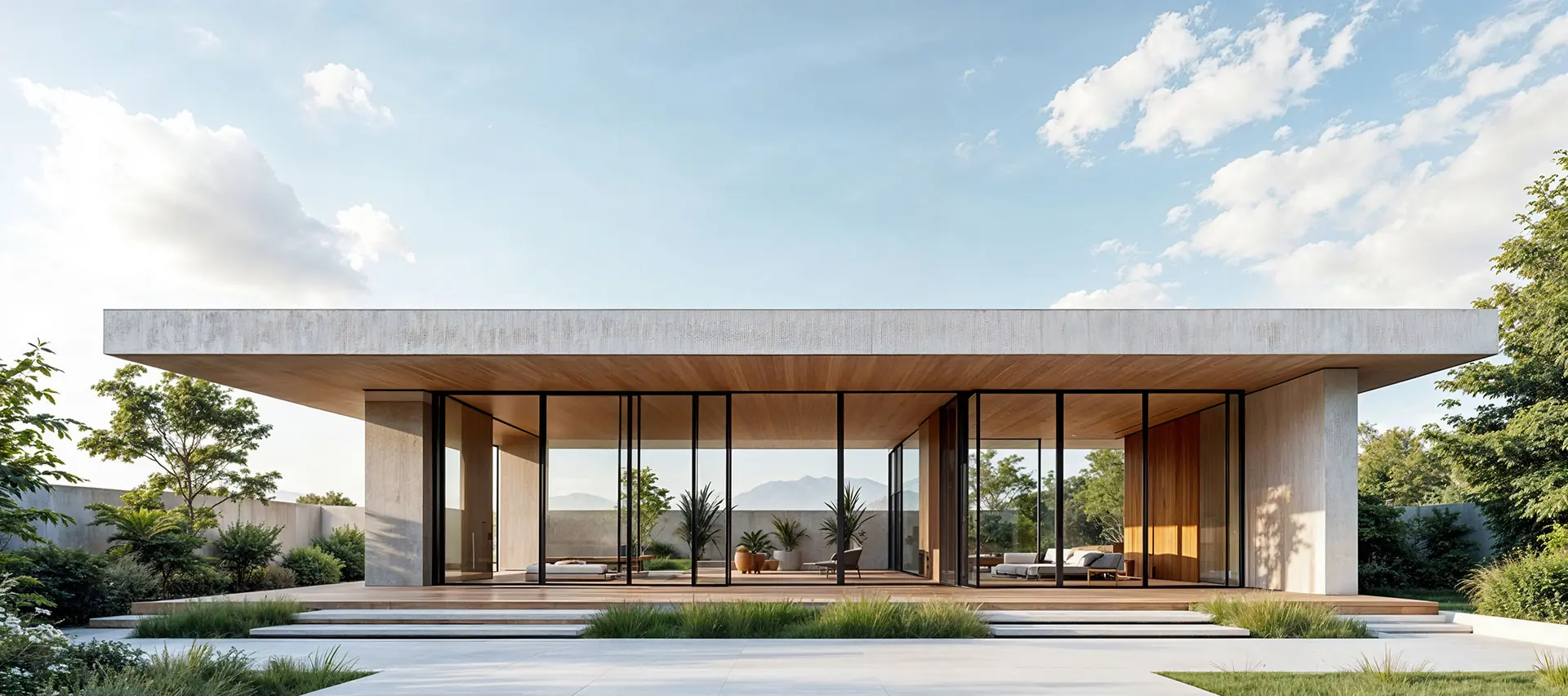
A builder’s specialization directly impacts design flexibility, budget, and timeline. For luxury homebuyers in areas like Edmond or Deer Creek seeking a one-of-a-kind residence, selecting a true custom builder is non-negotiable.

Builder TypeBest ForKey Feature
Production BuilderFirst-time buyers, budget-conscious projects.Limited options, fast timeline, lower cost.
Semi-Custom BuilderBuyers who want some personalization.Modifies existing floor plans, moderate cost.
Custom BuilderBuyers with a unique vision and specific land.Starts from a blank slate, highest flexibility.

Actionable Steps for Verification:

  • Define Your Needs: Clarify your priorities first. Do you need a fully custom design, or would modifying an existing plan work?
  • Request Examples of Modified Plans: Ask semi-custom builders to show "before and after" examples of how previous clients altered their standard plans.
  • Evaluate Their High-End Experience: For a luxury build, verify the builder has a portfolio of homes with high-end finishes, complex architectural details, and advanced systems.
  • Clarify How Changes Impact Cost: Discuss the builder's process for handling modifications. A transparent process for change orders is essential.

Builder Insight: "The term 'custom' is used loosely. A true custom home builder starts with a blank page and your vision. A production builder starts with their plan and lets you pick colors. It's vital to understand which end of that spectrum a builder operates on before you sign a contract."

4. Decide: Build-on-Your-Lot vs. Subdivision

A fundamental decision that shapes your entire project is where to build. The choice between building on your own land or within a planned subdivision impacts your budget, design freedom, and lifestyle.

A build-on-your-lot project offers unparalleled control. You select the exact piece of land, whether it's an estate lot in Edmond or a sprawling property near Guthrie. In contrast, a subdivision provides a curated lot within a pre-planned community, often with established amenities but stricter design guidelines.

Steps for Site Selection:

  • Evaluate Land Before Purchase: Involve your builder early. A professional site evaluation can identify issues with Oklahoma's clay soil, drainage, and utility access before you invest. This is critical for land in Piedmont or rural spots like Macomb.
  • Request a Site Analysis: Your builder should analyze how to best position your home to maximize natural light and capture scenic views.
  • Understand Subdivision Covenants: If considering a subdivision, thoroughly review all Homeowners Association (HOA) documentation and design guidelines. These rules dictate everything from exterior paint colors to fence styles. Builders like ACET Custom Homes are experts in navigating these requirements.

Builder Insight: "Building on your own lot gives you a blank canvas. We always advise clients to let us walk the property with them before they buy. What an untrained eye sees as a perfect view, we might see as a costly drainage problem or a difficult foundation challenge."

For more details, check out this guide on the process of building a house on your own land on acethomes.com.

5. Assess Their Commitment to Energy Efficiency

Choosing a home builder now requires a deep dive into their commitment to energy efficiency. Green building practices are a critical long-term investment that reduces utility costs, enhances indoor air quality, and minimizes your home's environmental footprint. Especially in Oklahoma, where homes must withstand hot summers and cold winters, an energy-efficient design directly impacts your comfort and wallet.

A forward-thinking builder should be well-versed in modern green building standards. This commitment reflects a dedication to quality, innovation, and creating a home that is healthy, cost-effective, and responsible.

A modern single-story house with solar panels, a two-car garage, and desert landscaping at sunset.

Actionable Steps for Assessment:

  • Request Energy Certifications: Ask if the builder is an ENERGY STAR partner. An ENERGY STAR home in Edmond or Norman can save 15-30% on utility bills.
  • Analyze System Specifications: Ask for specific efficiency ratings of the proposed HVAC systems (SEER/HSPF), the R-value of the insulation, and the U-factor of the windows.
  • Inquire About Solar Readiness: Ask if the home will be "solar-ready." This means the builder plans for the necessary structural support and electrical infrastructure, saving you costs later.
  • Verify Material Sourcing: Ask about their use of low-VOC (Volatile Organic Compound) paints for better air quality, and whether they use locally sourced or recycled materials.

Builder Insight: "A builder's approach to energy efficiency reveals their commitment to long-term quality versus short-term cost-cutting. Ask for energy modeling reports. These projections provide a clear estimate of future utility costs and prove that the initial investment in better insulation or a more efficient HVAC system pays for itself."

6. Review Warranty Coverage and Post-Construction Support

The relationship with your builder shouldn’t end when you receive your keys. A builder's commitment to post-construction support is a powerful indicator of their confidence in their work. A comprehensive warranty is your primary protection against defects in workmanship and materials, providing crucial peace of mind long after you've moved into your new home in areas like Edmond or Moore.

A reputable builder’s support system goes beyond a simple one-year warranty. It includes clear processes for addressing issues and responsive customer service. Neglecting to scrutinize this aspect can leave you responsible for costly repairs that should have been covered.

Actionable Checklist:

  • Request Warranty Documents: Before signing, ask for the full warranty documentation. A standard package includes a 1-year workmanship, 2-year systems (HVAC, plumbing, electrical), and 10-year structural warranty.
  • Clarify the Claims Process: Ask how warranty claims are submitted, who the point of contact is, and the expected response time. A vague process is a red flag.
  • Discuss the Final Walkthrough: The "punch list" process is your last chance to identify issues before closing. Ensure the builder has a clear procedure for how these items will be documented and resolved.

Builder Insight: "A builder's warranty is their promise to stand behind their product. If they can't clearly explain their process for handling a leaky faucet six months after you move in, their post-construction support might be lacking when you need it most."

7. Evaluate Communication and Transparency

A beautiful design means nothing if the execution is plagued by poor communication. When choosing a home builder, evaluating their communication protocol and construction management system is just as crucial as reviewing their portfolio. A transparent builder ensures you are an informed partner throughout the journey, providing regular updates, clear financial reporting, and a structured process for handling changes.

The right builder for your Oklahoma City home will have a proactive system for keeping you engaged, whether through a dedicated project manager, an online client portal, or scheduled on-site meetings. This commitment to transparency is a hallmark of a professional, client-focused operation.

How to Evaluate Their Process:

  • Ask About Communication Channels: How do they provide updates? Do they use an online portal like Buildertrend? How often can you expect progress reports and photos?
  • Request a Sample Change Order: A change order is a formal document for any modification. Ask to see a sample to understand how they document scope, cost, and timeline adjustments.
  • Discuss Their Management Process: How do they ensure quality control? Ask about their schedule for on-site inspections and subcontractor coordination.
  • Vet Their Financial Transparency: Ask if they provide itemized budget reports. Builders like ACET Custom Homes prioritize an open-book policy, allowing clients to see exactly where their money is going.

Builder Insight: "A builder's communication process is a direct reflection of their organization. If they can't clearly explain how they'll keep you informed before you sign a contract, the communication will only get worse once construction starts. Demand a clear, documented process from day one."

8. Scrutinize Material Quality and Finish Options

The long-term value and durability of your home are tied to the materials used. A crucial part of how to choose a home builder involves scrutinizing their approach to material sourcing, quality control, and the range of finish options they provide.

Reputable builders establish strong relationships with trusted suppliers, ensuring access to high-quality products. They should be transparent about their standards and provide detailed specifications for everything from insulation and windows to flooring and fixtures. This ensures you know exactly what you are paying for.

Flat lay of home design materials including wood, granite, tile, a paint swatch with a brass handle, and blueprints.

Actionable Checklist for Materials:

  • Request a Material Specification Sheet: Before signing, ask for a detailed list of standard inclusions. This should specify brands for key components like windows, HVAC systems, and plumbing fixtures.
  • Discuss Material Allowances: Understand how much budget is allocated for categories like flooring, countertops, and lighting. Ask how they handle overages and credits.
  • Tour an In-Progress Home: Seeing is believing. Ask to walk through a home to observe the quality of finishes firsthand.
  • Inquire About Design Support: Building a custom home involves countless decisions. Builders like ACET Custom Homes offer design consultation to help clients navigate selections.

Builder Insight: "We guide clients to invest in high-impact areas. Upgrading to durable quartz countertops in the kitchen or premium flooring in the main living areas provides a better return on investment and daily satisfaction than spending that same money on a secondary bedroom's finishes."

9. Clarify Timeline and Scheduling Expectations

A clear and realistic project timeline is the roadmap to a successful build. When you choose a home builder, you are trusting them to manage a complex, multi-stage process. A professional builder demystifies this by providing a detailed schedule.

A standard custom home project in Oklahoma often takes 12 to 24 months. This includes design and planning (2-4 months), permitting in cities like Edmond or Moore (4-8 weeks), active construction (8-14 months), and final closeout. A builder’s ability to manage this schedule transparently is key.

Steps for Timeline Verification:

  • Request a Detailed Schedule: Before signing, ask for a comprehensive project schedule, such as a Gantt chart, that outlines major phases and milestones.
  • Discuss Potential Delays: Ask how the builder accounts for Oklahoma-specific delays like spring storms, extreme summer heat affecting concrete pours, and permitting backlogs.
  • Clarify the Change Order Process: Understand how change orders will impact the timeline. A reputable builder will provide a revised schedule before proceeding with new work.
  • Plan for Contingencies: Experienced builders like ACET Custom Homes recommend building a buffer into your personal planning. For more insight, learn about the timeline for building a custom home.

Builder Insight: "A vague timeline is a sign of inexperience. We provide clients with a detailed schedule and hold monthly progress meetings to review what was accomplished and what's next. This level of communication is non-negotiable for keeping a custom build on track."

10. Confirm Budget Control and Contingency Planning

Effective budget control is what separates a successful custom home build from a stressful one. A professional builder doesn't just estimate costs; they actively manage them with transparency, foresight, and a clear plan for the unexpected.

The foundation of strong budget control is a detailed, itemized estimate and a dedicated contingency fund. Builders in the Oklahoma City market, from Edmond to Norman, should provide a comprehensive breakdown of all projected expenses. Without this clarity, it’s impossible to track progress or understand where your money is going.

Actionable Steps for Financial Control:

  • Demand an Itemized Budget: Request a detailed cost estimate that breaks down everything from site work and foundation costs to framing and finishes. Vague, lump-sum estimates are a red flag.
  • Establish a Contingency Fund: Insist on a contingency reserve of 5-15% of the total construction cost. This fund is a safety net for unforeseen issues, not for upgrades.
  • Define the Change Order Process: All changes must be documented in a formal change order specifying the cost, impact on the schedule, and requiring your signature before work begins.
  • Schedule Regular Budget Reviews: Ask for monthly budget reports comparing estimated costs to actual spending. Reputable builders like ACET Custom Homes provide transparent pricing and consistent financial updates.

Builder Insight: "A builder who can't explain their pricing structure is not in control of the project. We believe in open-book communication, providing clients with regular budget updates so they feel confident and informed every step of the way."

Frequently Asked Questions (FAQ)

What is the first step in choosing a home builder?
The very first step is to verify their credentials. This includes checking their license with the Oklahoma Construction Industries Board (CIB), confirming they have both general liability and workers' compensation insurance, and reading online reviews and speaking with past clients.

How much does it cost to build a custom home in Oklahoma?
The cost varies widely based on location, size, and finishes. In 2024-2025, prices in the OKC metro can range from $200 to $350+ per square foot. A true custom builder can provide a detailed, line-item budget based on your specific plans and selections.

How do I compare home builders?
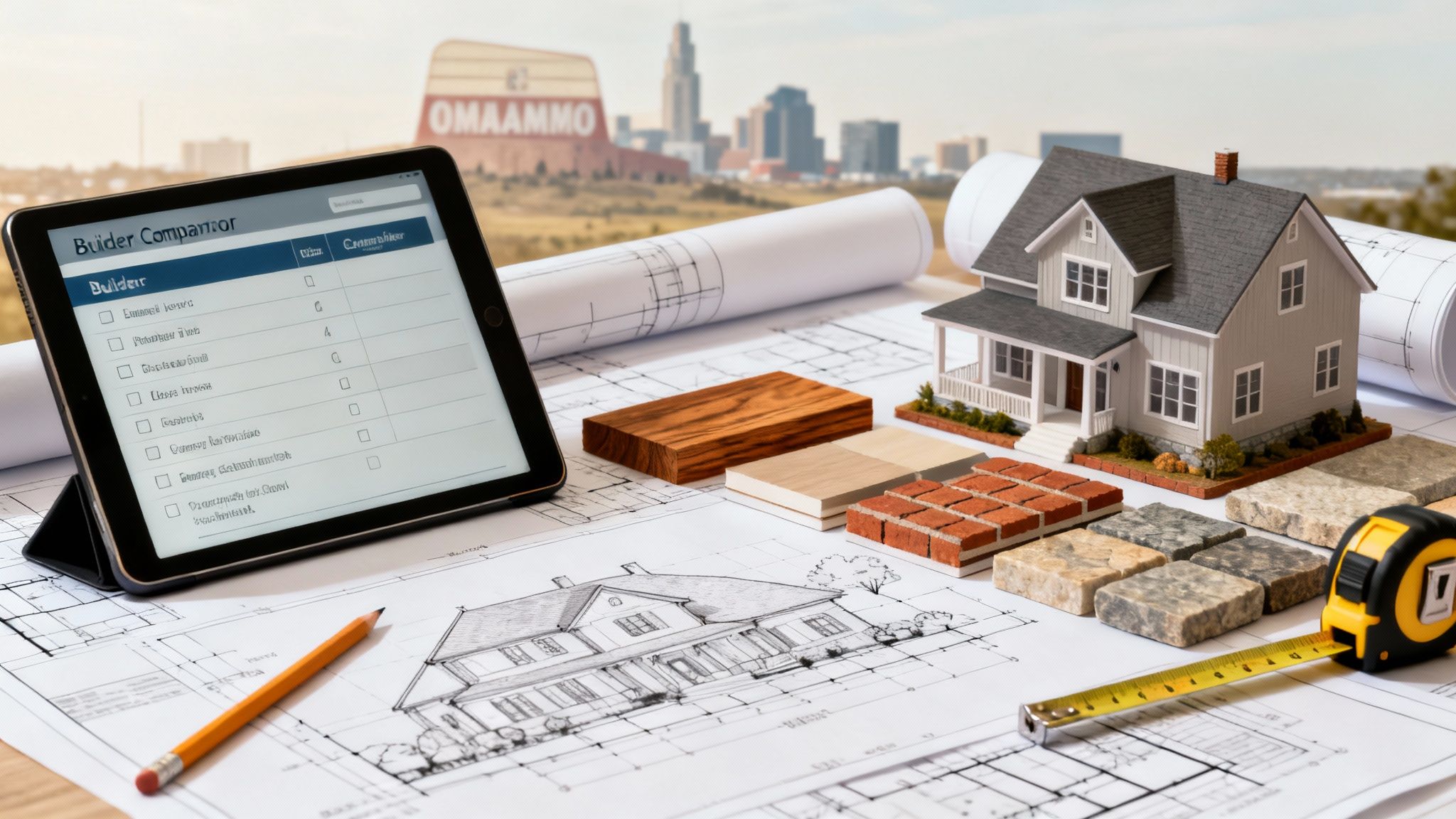
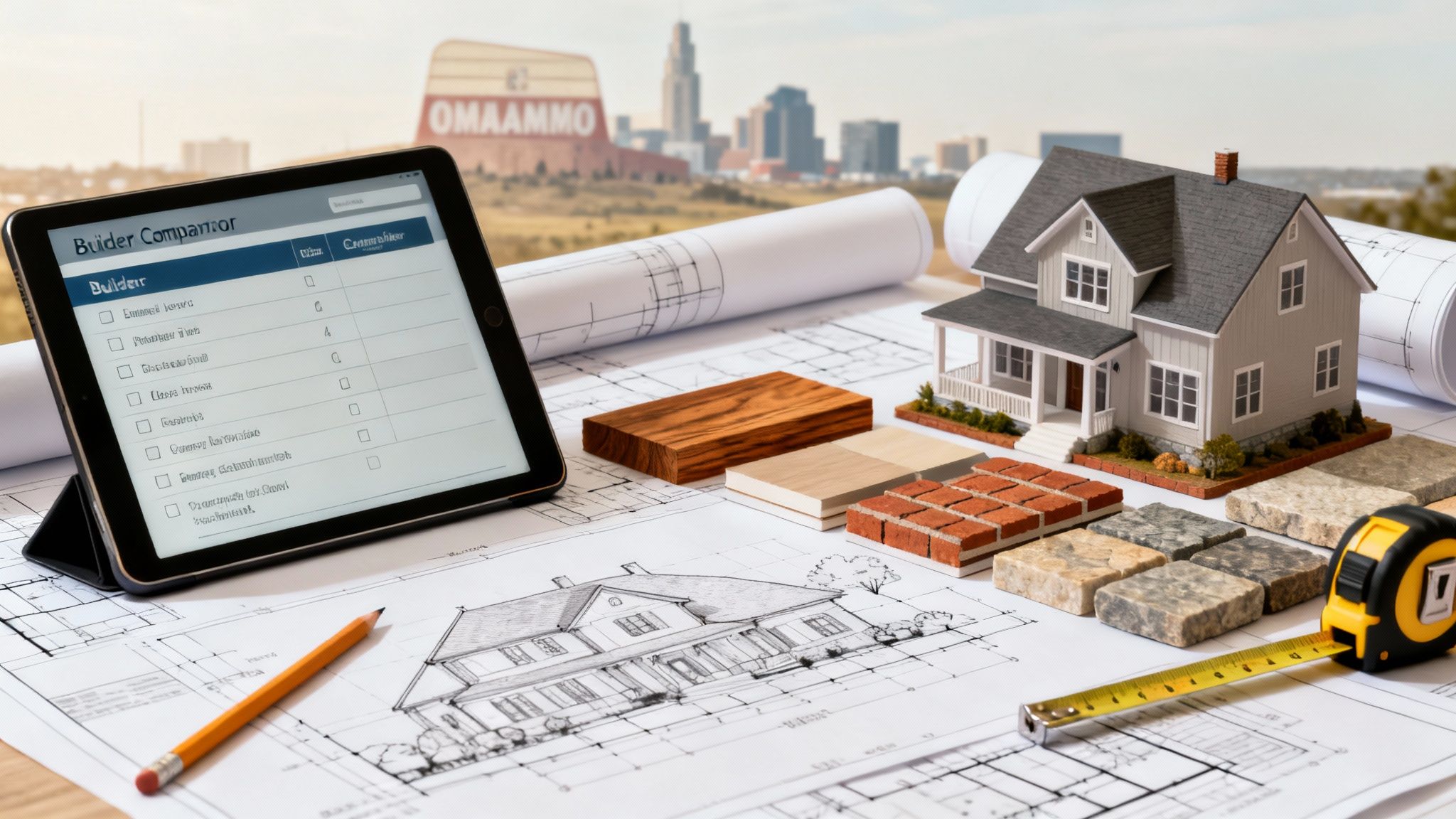
Compare builders based on their specialization (custom vs. production), communication style, transparency in budgeting, quality of materials, and warranty coverage. Create a checklist and interview at least three qualified builders before making a decision.

What are the red flags to look for in a home builder?
Red flags include: an unwillingness to provide a license number or proof of insurance, vague or lump-sum pricing, poor communication during the interview process, a lack of recent client references, and high-pressure sales tactics.


Ready to design your custom home? Schedule a free consultation with ACET Custom Homes today.

Schedule a Free
Consultation Today!
Tell us your vision and let us help you build the dream home that fits your life style.